
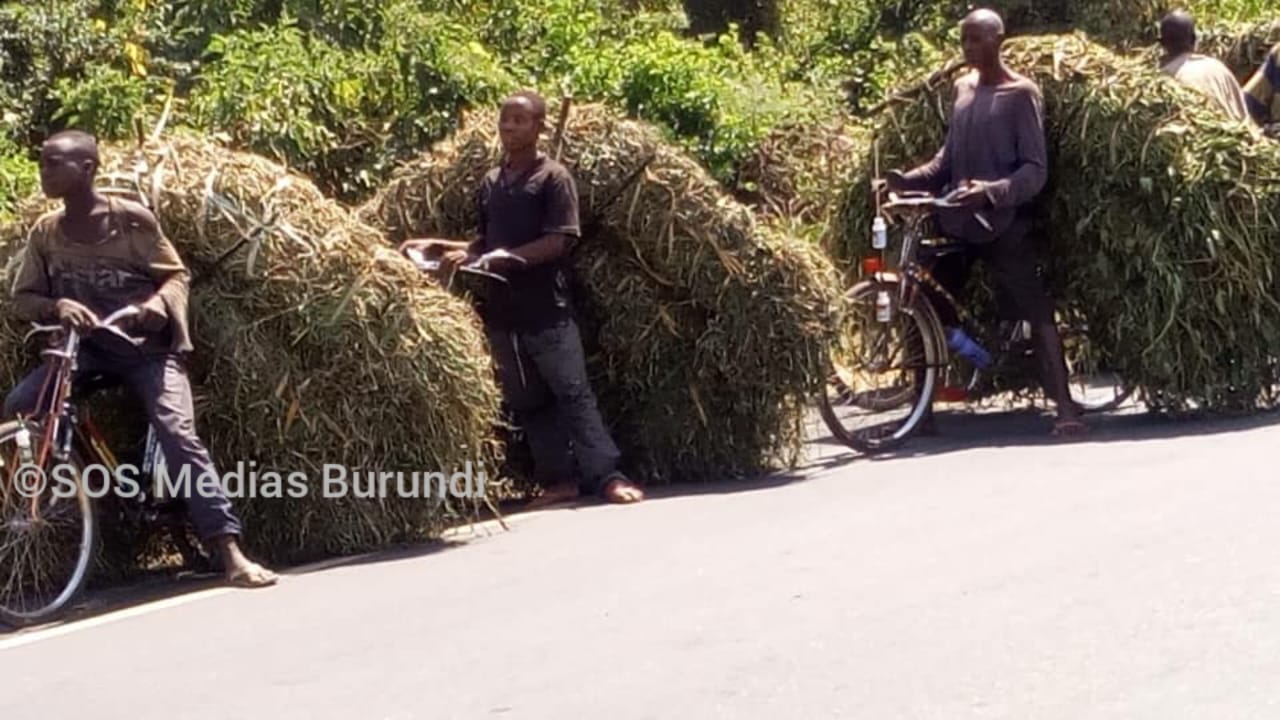
Kayanza: the price of the transport ticket increases from simple to fivefold
For weeks, gas stations, mostly located in the capital of Kayanza province (northern Burundi), are dry. The province’s economy is at a standstill as residents say they are getting used to walking and bike taxis. INFO SOS Médias Burundi
Travel costs have increased by more than 400% in Kayanza province.
“If you travel by motorbike, it costs between 4,000 and 5,000 thousand francs for a trip that cost only 1,000 francs. My children go to school by foot since we ran out of fuel. They are still very young and walk several kilometers, I fear for their health,” laments a father of three who thinks the lack of fuel is linked to the lack of foreign currency.
He asks the government to reconnect with partners before the 2015 crisis, triggered by another controversial mandate of the late President Pierre Nkurunziza.
According to sources in the provincial capital, even the price of the bicycle taxi has increased significantly. A trip that cost only 300 francs costs 1000 francs today, according to road users.
For its part, the provincial administration deplores this situation to which it half-heartedly admits that it cannot do anything, but threatens to sanction carriers who do not respect the prices recognized by law.
You might also like
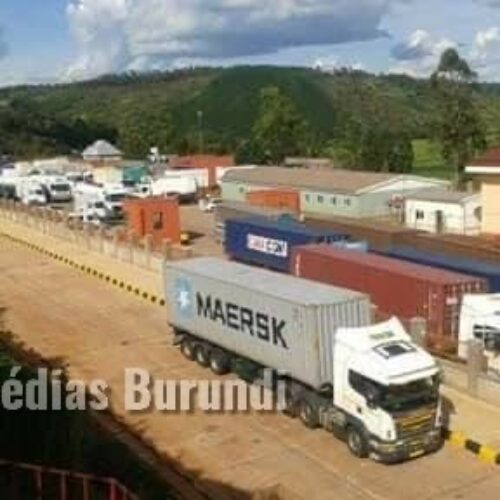
Burundi : travelers turned back at the Kobero border for passports dtamped by the M23
SOS Médias Burundi Muyinga, May 6, 2025 – Dozens of Burundian citizens have been stranded for several days at the Kobero border, in Muyinga Province (northeast Burundi), between Burundi and
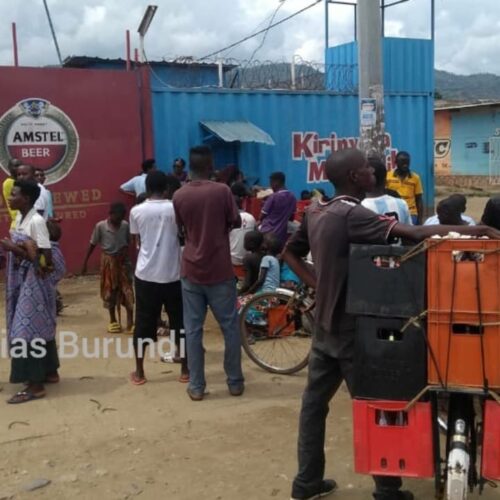
Price increase for Brarudi products : ABUCO calls on the government
SOS Médias Burundi Bujumbura, August 16, 2025 – The Burundi Brewery Company (Brarudi) announced, in a press release published on August 12, a significant price increase for its products, effective
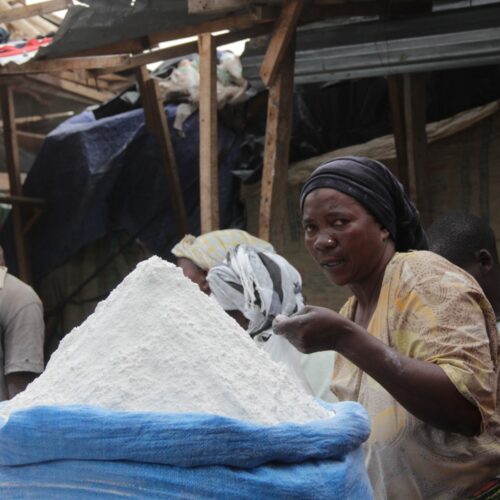

Burundi: unions concerned about the rise in the price of basic necessities
Confederations of Burundi Trade Unions Cosybu and CSB say they are concerned about the rising prices of basic necessities. This results in the deterioration of the purchasing power of civil