
Rwanda/Uganda : shortage of drinking water in two Burundian refugee camps
The camps of Mahama in Rwanda and Nakivale in Uganda have recently been experiencing a worrying lack of drinking water. Reasons are diverse but consequences are worrying for refugees who are calling for urgent intervention to avoid the worst. INFO SOS Médias Burundi
Mahama
The root causes of the scarcity of drinking water in the Mahama camp located in eastern Rwanda are rooted in the extension of the dry season in this part of the country. Since last summer, the rain has been falling lightly. This has caused the water level to drop in the Akagera River which supplies this camp.
Engineers from the company “Ayateke Star Company Ltd”, responsible for the distribution of drinking water in the Mahama camp explain that “the pipes can no longer have a good and sufficient source”, hence the lack or instability of this important commodity in the lives of refugees.
The other factor is that the camp is expanding and the beneficiaries are becoming more numerous than expected. It hosts more than 65,000 refugees, including more than 40,000 Burundians, the rest being mainly Congolese.
As a remedy, the water distribution company is reinstalling large pipes taking into account the water level of the source that is the Akagera River, which means that the taps in the camp currently remain dry.
“We are really unhappy, we can spend a week without a drop of water. You can imagine what’s next and the consequences for cooking, hygiene. We fear uncleanness-related diseases”, say refugees.
The camp administration is trying to alternate the distribution on public taps by village.
“On a tap, you can spend two days on a line, and you can only have one 20-liter can to let the others move forward on the line,” said a Burundian refugee who claims that many people prefer to draw water from the Akagera River, which is “very dirty.”
School and health activities are also paralyzed in the camp following this shortage of drinking water, noted an SOS Médias Burundi reporter.
Refugees recommend that the UNHCR closely monitor this issue, which risks paralyzing all life in the Mahama camp for an indefinite period.
Nakivale
The most affected area is “Juru.” Two weeks have just passed without a single drop of water in the public taps, according to refugees.
This is when a new company had just installed new taps to distribute drinking water in abundance, for a fee.
“We draw salt water from Lake Nakivale. First, the lake is very far from the camp, then it is very dirty, and also salty, but we are forced to drink it, we use it for cooking and washing as well,” lament Burundians who say they fear diseases linked to the lack of hygiene.
On a tap that manages to provide at least some water, there are a very large number of people waiting to draw.
“And sometimes, there can be fights and so this shortage is also a source of insecurity, sexual rape of minors who go to draw water at night, etc.,” says a community leader.
According to a medical source, there are many cases of diarrhea in children under five and pregnant women. The management and distribution of drinking water in the Nakivale camp is entrusted to a local NGO.
Its leaders speak of a lack of budget for the purchase of fuel for water pumping engines, which is, they explain, the cause of this shortage.
Refugees are asking the UNHCR to resolve the situation that haunts a large part of the camp that hosts more than 140,000 refugees, including more than 33,000 Burundians.
You might also like
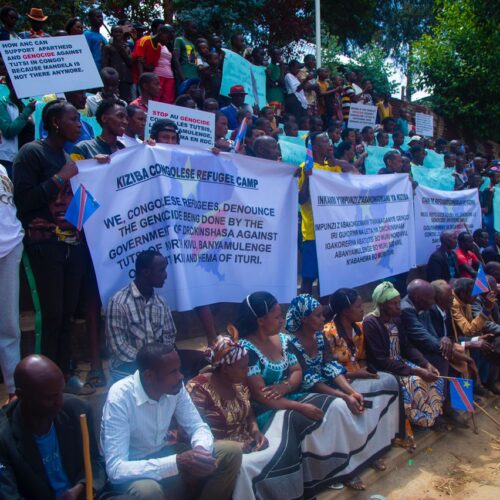
Rwanda : Congolese Tutsi refugees demonstrate against a probable genocide targeting them in the DRC
It is refugees from the Kiziba and Nkamira camps located respectively in the Karongi and Rubavu districts of the Western Province who demonstrated on Monday. They denounce a “genocide” committed
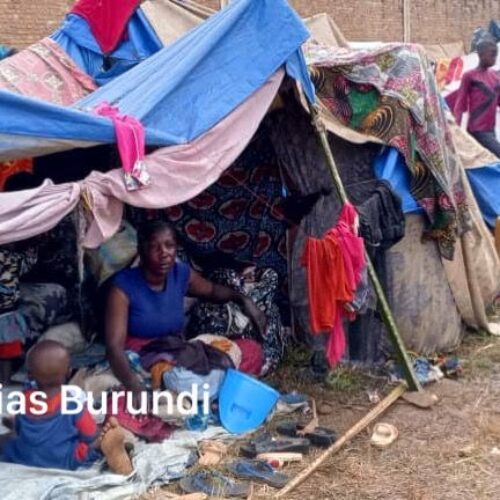
Giharo: close to 20,000 Congolese refugees threatened by famine
Having been living for over a month at the Musenyi site in Giharo commune in Rutana province (southeastern Burundi), Congolese refugees displaced from the provinces of Bubanza and Cibitoke in
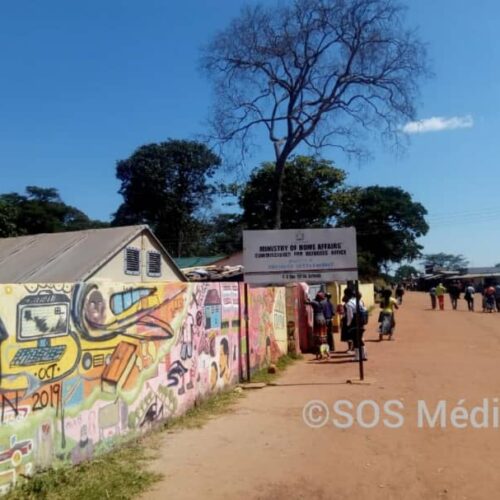

Meheba (Zambia): real community recovery for an estimated population of over 5,000 people
More than 300 refugees, including Burundians, testify to community recovery supported by NGOs including Caritas. These refugees, for example, received capital to start a business. To these are added direct