
Bujumbura: River ravines threaten local populations
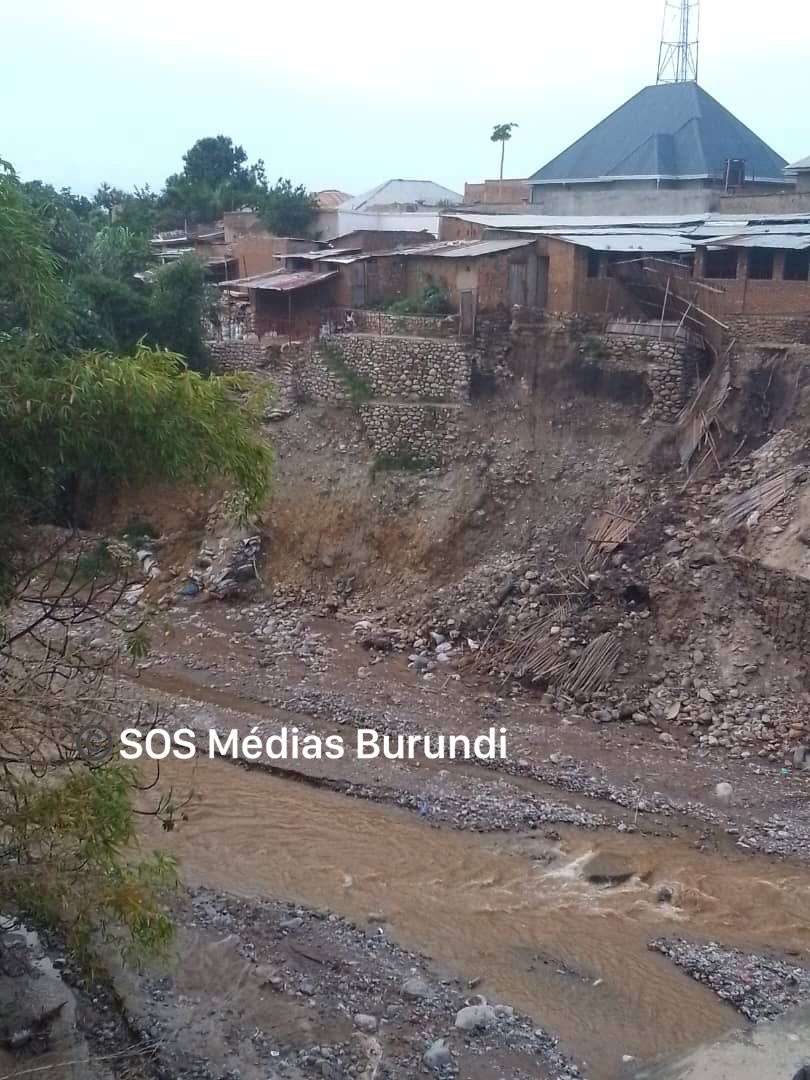
The periods of intense rains intensifies the widening of ravines along the rivers crossing Bujumbura, the commercial city, endangering the city’s social infrastructure. A striking example is the ravine formed on the Kanyosha River, near the 12th Avenue bridge connecting the Kanyosha and Musaga neighborhood in southern Bujumbura. This site has become a symbol of the dangers that these phenomena represent for residents.
INFO SOS Médias Burundi
On Christmas Day, many local residents were stunned to discover that part of the “Ouagadougou” bar, located on the north bank of the Kanyosha River, had collapsed just an hour after torrential rain mixed with strong winds. This disaster highlighted the urgency of the situation.
Residents worried about imminent danger
Residents living near the Kanyosha River fear that their houses could collapse at any moment. According to one of them, ravines form not only near rivers, but also in remote areas, due to the overflow of poorly directed rainwater through unsuitable gutters.
To address this problem, he suggests rebuilding and widening some gutters so that they can effectively channel runoff water. This preventive measure could limit the formation of new ravines.
The impact of unplanned land use
These ravines are also attributed to the spontaneous and anarchic occupation of land, particularly in unserviced areas. The construction of houses in unsuitable spaces considerably aggravates the appearance of these ravines, which are now visible in almost all urban communes of Bujumbura.
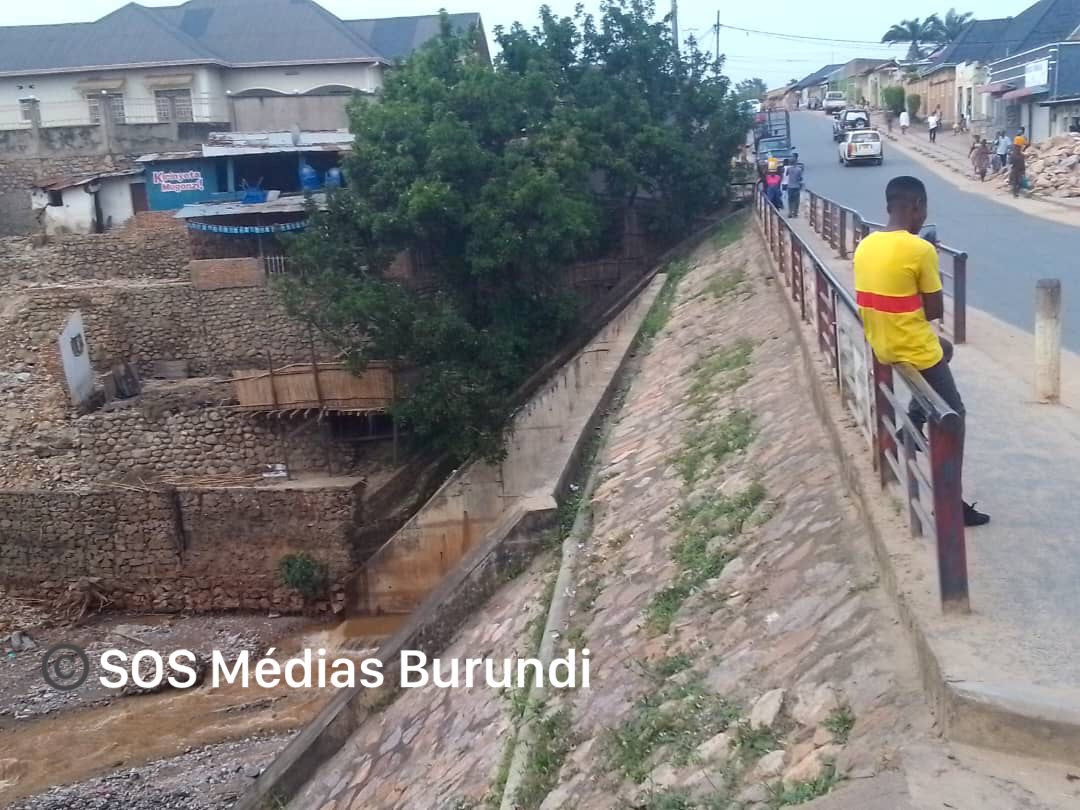
A part of the Kanyosha River at 12th Avenue between Kanyosha and Musaga neighborhood in the south of Bujumbura (SOS Médias Burundi)
An environmental activist, contacted by SOS Médias Burundi, insists on the need to stabilize as a priority ravines that have already caused significant damage. Among the examples cited is the ravine located behind the parish of Kanyosha. He calls on the ministry in charge of infrastructure to take immediate measures to avoid new disasters.
The role of climate change
Torrential rains, often preceded by heat waves, are one of the main causes of landslides and rockfalls observed since September 2024 in Central and Eastern Africa. These phenomena are directly linked to climate change, which exacerbates the vulnerability of local populations.
——
A ravine of the Kanyosha River which threatens residential houses (SOS Media Burundi)
You might also like
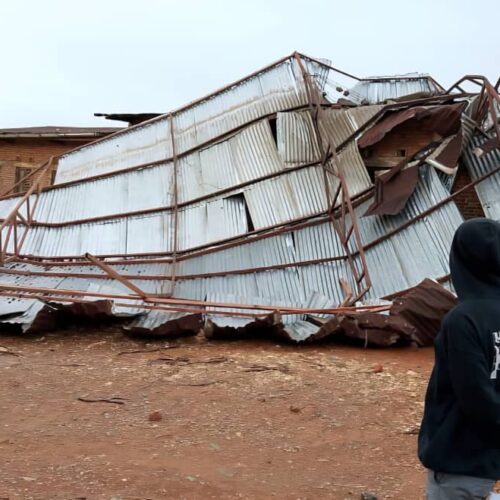
Cibitoke under water and hail : four dead, dozens injured, and hundreds of families in distress
SOS Médias Burundi Cibitoke, February 6, 2026 – Violent rains, accompanied by strong winds and hail, struck the Ngoma zone of Cibitoke district, Bujumbura province, in western Burundi, on Thursday
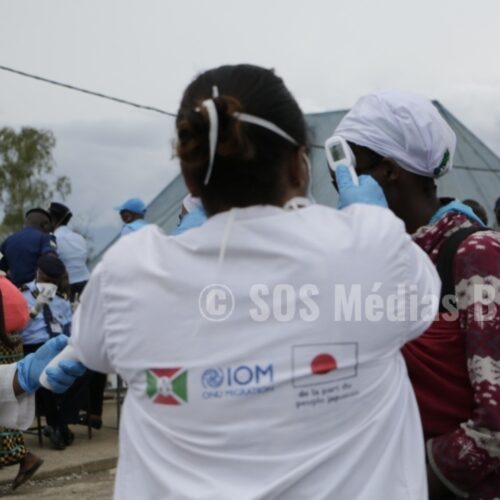
Bukinanyana : angalau watu 117 walipatikana na Covid-19
Janga la Covid-19 linaripotiwa katika tarafa ya Bukinanyana. Ni katika mkoa wa Cibitoke Kaskazini magharibi mwa Burundi. Angalau watu 117 walipatikana na virusi vya Covid-19 tangu mwanzoni mwa wiki hii.

Rango : Batwa pupils between school and daily survival
SOS Médias Burundi Rango, June 15, 2025 – In Rango dstrict, in Kayanza province in northern Burundi, children from the Batwa community are struggling to continue their education. Trapped in