

Tanzania : new threats of forced repatriation of Burundian refugees
SOS Médias Burundi
Kigoma, August 2, 2025 –
Tanzanian authorities are increasing pressure on Burundian refugees, this time resorting to covert threats relayed by humanitarian organizations. These organizations have warned the refugees that their activities will cease by December 2025, heightening the fear of forced repatriation.
Last week was particularly trying for Burundian refugees living in the Kigoma region, where the Nduta and Nyarugusu camps, the main hosting centers for this community, are located.
On Thursday, a delegation of Tanzanian authorities, accompanied by representatives of humanitarian NGOs, visited the Nduta camp. The camp manager did not mince his words, stating that Tanzania “takes issue with the presence of Burundian refugees on its territory.”
He added that “the entire arsenal must be deployed to ensure that all refugees return before the 2027 presidential elections in Burundi,” urging NGOs to “express their poor decision, which, unfortunately, pleases Tanzania,” he insinuated ironically.
NGOs announce the end of their activities
The NGOs present in the camps—the Danish Refugee Council (DRC), IRC (International Rescue Committee), World Vision, Save the Children, among others—took turns to confirm the cessation of their programs.
The Save the Children representative stated bluntly :
“We are no longer able to continue providing you with assistance due to lack of funding. We will be closing in Tanzania and six other countries. Fortunately, you still have five months to return home.”
A message echoed “word for word” by DRC and IRC officials.
These NGOs operate in crucial sectors such as water, sanitation, education, housing, and support for the elderly and disabled.
The World Food Program (WFP), for its part, indicated that it had already reduced its food assistance by 50%.
“And there’s no sign that the situation will change; rather, it risks getting worse,” warned its representative.
In terms of health, Médecins Sans Frontières (MSF) cited a lack of medicines and a reduction in its staff, a situation it attributes to “the Tanzanian government’s policies and a lack of funding.”
Resigned and silent refugees
Gathered on the ground in Zone 5, the refugees did not dare ask questions.
“We have nothing to say. We see that our end is approaching. We can’t do anything. Our cries have ultimately gone unheeded,” they resigned themselves.
Some have described these interventions as an “incriminating homily,” denouncing a staged demonstration intended to intimidate them.
A village chief from the Nduta camp, contacted by SOS Médias Burundi, confirmed a worrying trend :
“Unfortunately, refugees are registering en masse to return. They are pathetic, we have been sold! It’s a shame that humanitarian workers are following the Tanzanian government’s lead,” he lamented.
Two days earlier, the same delegation had visited the Nyarugusu camp.
“Same mission, same speech, same slogan,” summarized this official.
Threats contrary to the international law
Refugees denounce this relentless harassment, even though they should benefit from the protection provided for by the 1951 Geneva Convention relating to the Status of Refugees. This text defines the refugee status, establishes the rights of uprooted persons, and the obligations of states to ensure their protection.
It aims to guarantee refugees the most favorable treatment possible, particularly in terms of work, education, social assistance, and freedom of movement. A fundamental principle is non-expulsion, which prohibits states from returning a refugee to a country where their life or freedom would be threatened.
Burundian refugees accuse the UNHCR, which is tasked with enforcing these provisions, of powerlessness and of having “failed in its primary mandate of refugee protection.”
Tanzania still hosts more than 110,000 Burundian refugees, whose future appears increasingly uncertain as the fateful date announced for December 2025 approaches.
You might also like
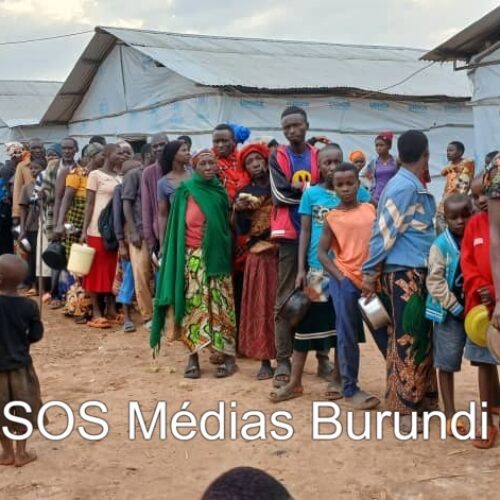
Burundi : right to education trampled in Ruyigi, repatriated children left behind
SOS Médias Burundi Ruyigi, April 6, 2026 — Children of Burundian repatriates from Tanzania are being denied access to education in the district of Ruyigi, Buhumuza province, in eastern Burundi.
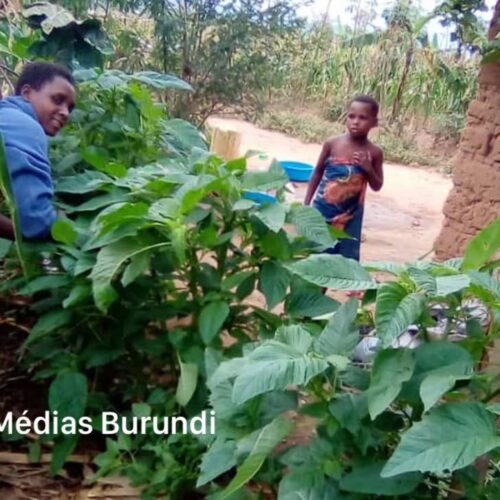
Nakivale (Uganda) : refugees ordered to pay taxes on their businesses, a controversial measure in the camp
SOS Médias Burundi Isingiro, April 22, 2026 — The Uganda Revenue Authority (URA) has launched a large-scale tax collection campaign targeting all commercial activities in the Nakivale refugee camp in
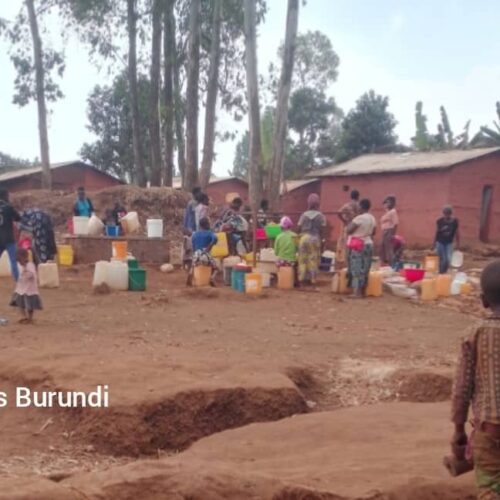

Burundi : no more funds to finance university studies for refugee and returnee students
Young refugee and returnee graduates in Burundi are facing the unavailability of funds for the DAFI scholarship. This concerns the 2024-2025 academic year. The hope of many young refugee and