Social crisis in Burunga : Batwa demand more aid to save schools and families’ survival
SOS Médias Burundi
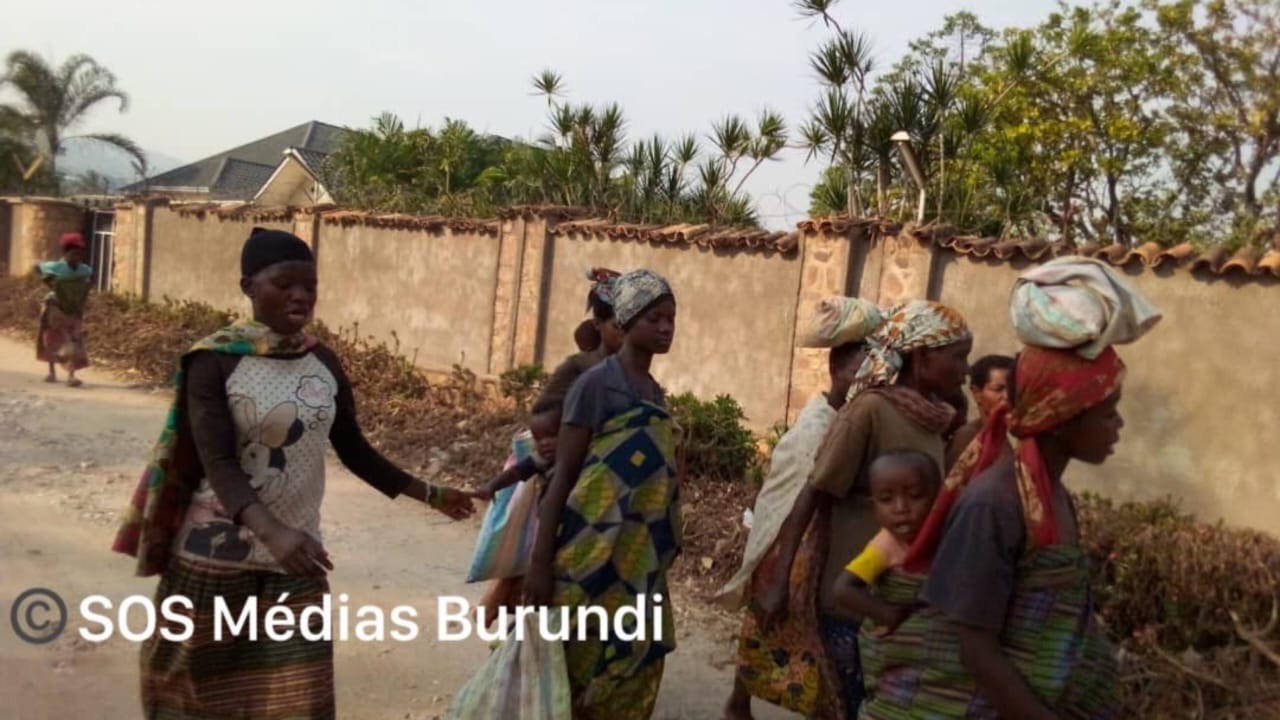
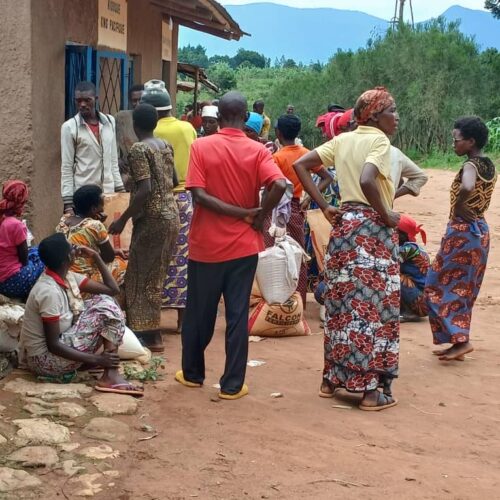
Burunga, September 13, 2025 – In Burunga province, southern Burundi, poverty is hitting Batwa families hard : children are dropping out of school and mothers are turning to precarious activities to survive. Faced with this critical situation, beneficiaries of the Merankabandi program are calling for an urgent strengthening and expansion of social assistance.
According to figures, nearly 65% of the Burundian population still lives below the poverty line, and Batwa families are among the most vulnerable. Yet, they claim not to receive all of this assistance.
Manassé Bigirimana, representative of the Batwa in the former Makamba province, laments that his community remains marginalized :
“The Batwa are among the poorest, but many do not receive aid. And poor women who do not receive it plunge into prostitution, while their children drop out of school.”
In the district of Rumonge, the councilor in charge of social and legal affairs draws the same alarming observation : due to a lack of resources, women are turning to prostitution and children are dropping out of school, thus compromising the future of an entire generation.
The situation is exacerbated by the rising waters of Lake Tanganyika, which has destroyed homes, farmland, and several basic infrastructure projects in the districts of Nyanza and Rumonge. Families already in precarious situations find themselves deprived of their last source of income.
Currently, the Merankabandi program supports 250,000 households, or approximately 1.25 million people spread across 2,664 villages and neighborhoods. However, according to Bigirimana, these figures remain insufficient given the scale of the needs, especially for marginalized communities like the Batwa.
Michel Nyabenda, the program’s national coordinator, admits that current resources are limited. Discussions are underway with the World Bank to consider increasing the monthly allowance, currently set at 36,000 Burundi francs.
Meanwhile, on the ground, some say that one meal a day has become the norm for some families. Mothers, already overworked, juggle precarious small jobs and make sacrifices to keep their children alive.
The Batwa and their representation
The Batwa who spoke to SOS Médias Burundi are asking the government to help them and, above all, to find them arable land. A minority and marginalized in Burundi, this community is also found in neighboring countries such as Rwanda and the Democratic Republic of Congo (DRC).
Despite the quotas granted to them by the Burundian Constitution, particularly in parliament, the Batwa continue to face several challenges, including lack of access to education and healthcare.
Both beneficiaries and those excluded from the program are making an urgent appeal : strengthening and expanding social support, particularly in the most affected areas such as Nyanza-Lac and Rumonge, to prevent an even more serious humanitarian crisis.
You might also like
Ntega : nine women killed by their husbands in one year
Residents of Ntega districts in Kirundo province (northern Burundi) have called for the death penalty to be reinstated to execute anyone who perpetrated murder. This request comes following an assassination
Rutana: a prisoner was caught during sexual intercourses, the prosecutor rounds up prison
Prisoners were forced to pay a sum of 20,000 francs each. A sum collected to buy the silence of the public prosecutor in Rutana (South-eastern Burundi). The prosecutor surprised, in

Fertilizer shortage : farmers in Bururi and Matana struggle during crop season B
SOS Médias Burundi Bururi, March 24, 2026 — Farmers in the districts of Bururi and Matana, in Burunga province in the south of the small east African nation, are facing