
Bujumbura : when rent becomes a headache for families and newlyweds
SOS Médias Burundi
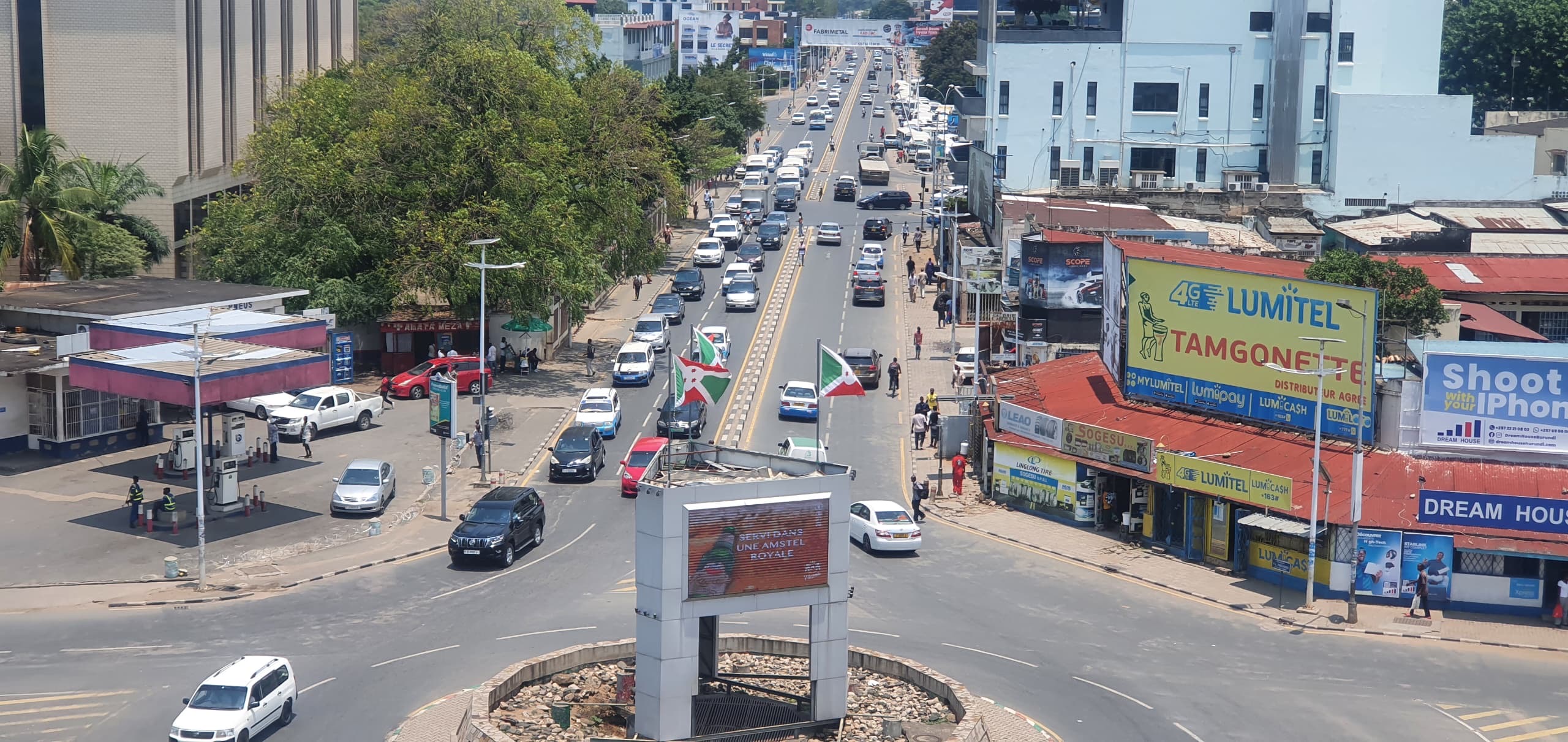
Bujumbura, September 19, 2025 – In Bujumbura, the commercial capital of Burundi, where United Nations agencies and the central government are concentrated, finding a house to rent is a real challenge. The sharp devaluation of the Burundi franc and soaring rents are particularly hard on low-income families and newlyweds, further weakening the population in the face of the high cost of living.
Rising rents are making access to housing increasingly difficult for those seeking housing, especially low-income families. The depreciation of the Burundi franc is exacerbating this crisis : a US dollar, officially worth 2,000 Bif a few years ago, is now trading at around 7,500 to 8,000 Bif on the parallel market. The euro is following the same trend, forcing landlords to reassess their rents, often indexed to foreign currencies.
Rents double or triple
The consequences are visible : in several neighborhoods, rents have doubled or even tripled.
Neighborhood Average previous rent (before 2022) Average current rent (2025)
Kiriri, Rohero, Kabondo (upscale) 800,000 – 1,000,000 Bif 2,000,000 – 3,000,000 Bif
Kinindo, Mutanga Sud, Nyakabiga (intermediate) 400,000 – 600,000 Bif 800,000 – 1,200,000 Bif
Kamenge, Ngagara, Kanyosha (working-class/outlying) 150,000 – 200,000 Bif 400,000 – 500,000 Bif
Newlyweds in distress
This surge in prices has not spared young couples. Many are faced with the impossibility of finding affordable housing just weeks before their wedding.
“We had planned to get married in September, but we couldn’t find any affordable housing. We had to postpone our wedding until November. How can we start our life together under these conditions?” says Prosper Hajayandi, a resident of the district of Mugere in southern Bujumbura.
A high cost of living that exacerbates inequality
Rent increases come on top of the rising cost of basic necessities.
“With my monthly salary of 350,000 Bif, I can no longer pay for rent, food, my children’s school fees, and healthcare. We have to share a house with another family, otherwise we have nowhere to go,” explains Marius Nahabandi, a resident of Mutakura in the north of the commercial capital.
A social and economic challenge
For landlords, the devaluation of the franc leaves little choice :
“We have to reassess our rents. “Even though we understand the tenants’ situation, we cannot continue to rent at the same rates as before,” confides a real estate agent in Bujumbura.
According to a housing expert, “the surge in rents in Bujumbura is directly linked to the devaluation of our currency and the general rise in the cost of living. Without regulation and appropriate public policies, young people and low-income families will continue to be the first victims.”
The housing crisis in Bujumbura reflects a major social emergency. Public authorities are urged to consider mechanisms to regulate the real estate market and implement affordable housing policies to provide relief to a population already weakened by the devaluation and the high cost of living.
You might also like
From Burundi to Rwanda : a harrowing journey that puts lives in danger
SOS Médias Burundi Kobero, July 14, 2025 – The persistent border closure between Burundi and Rwanda is profoundly disrupting the lives of many citizens, particularly those who need to travel
Muyinga in crisis : the water shortage paralyzes the urban center
For several weeks, residents of the urban center of Muyinga in northeastern Burundi have been facing a persistent water shortage. This situation, which disrupts their daily lives, poses health risks,

Bubanza : selective water distribution, anger grows in the district town center
SOS Médias Burundi Bubanza, October 13, 2025 – As water shortages worsen in the center of the Bubanza district town center, residents are denouncing unequal distribution between neighborhoods. Accusations of