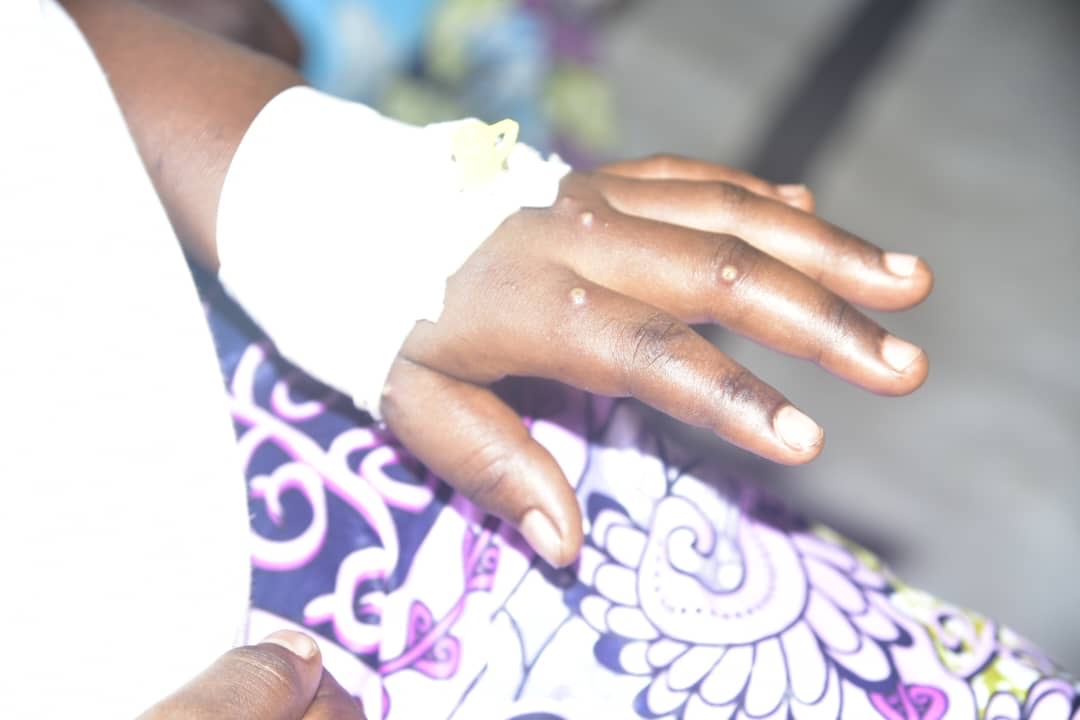
Ruyigi : two cases of Mpox detected in the Nyankanda refugee camp
SOS Médias Burundi
Ruyigi, October 6, 2025 – The apparent calm of the Congolese refugee camp of Nyankanda, located in the district of Ruyigi, in Buhumuza province, eastern Burundi, was disturbed last week by the confirmation of two cases of Mpox at the site’s health center, which hosts more than 19,000 refugees. These new cases come as the virus has been circulating in Burundi since July 25, 2024.
HealthNet TPO, the organization in charge of health in the camp, immediately increased surveillance and monitoring of patients who tested positive. Health workers are closely monitoring their condition to prevent any chain of transmission.
“At the first signs—fever, pain, skin lesions—patients should come to the health center immediately,” said a health worker who requested anonymity.
Authorities are also calling on refugees and residents of the neighboring villages to strictly adhere to hygiene measures in meeting places, homes, and community spaces.
A worrying lack of sanitation infrastructure
Since the cases were announced, concern has been palpable among the refugees. Evelyne, a camp resident, says,
“The overcrowding makes prevention difficult. Many don’t have enough soap to wash their hands regularly.”
She advocates for UNHCR and its partners to strengthen hygiene measures, including the installation of public handwashing points.
An epidemic still present in Burundi
According to official data as of September 30, 2025:
Confirmed cases : 4,486 (+65 probable)
Deaths : 1 (case fatality rate 0.02%)
Hospitalized cases : 33 (2 new)
Cured/discharged cases : 4,452 (recovery rate 97.7%)
Tests performed : 10,563 (positivity rate 44.6%)
Alerts reported : 12,650
Contacts traced : 20,492
Affected districts : 46 out of 49 (93.9%), including only 4 with active cases (8.6%)
These figures show that, despite overall control of the epidemic, the virus remains present and can cause localized outbreaks, particularly in densely populated areas with poor access to drinking water and sanitation.
Message to the population
Health authorities and humanitarian partners emphasize the importance of responsiveness : go immediately to the health center as soon as symptoms appear, limit physical contact, and reinforce hygiene practices.
You might also like
Burundi launches cervical cancer vaccination campaign
SOS Médias Burundi Bujumbura, March 3, 2026 – The Burundian government has announced the launch of a national cervical cancer vaccination campaign for girls aged 9 to 14. This initiative,
Bubanza : amid cholera outbreak, drinking water becomes a luxury
SOS Médias Burundi Bubanza, August 17, 2026 — In several neighborhoods of the Bubanza zone, in Bubanza district, Bujumbura province, western Burundi, access to drinking water is becoming increasingly difficult.

Ebola in DRC : the spread to cities raises fears of an out-of-control health crisis
SOS Médias Burundi Goma, June 25, 2026 – The Democratic Republic of Congo is facing a worrying resurgence of Ebola cases. According to the latest data released by health authorities,