
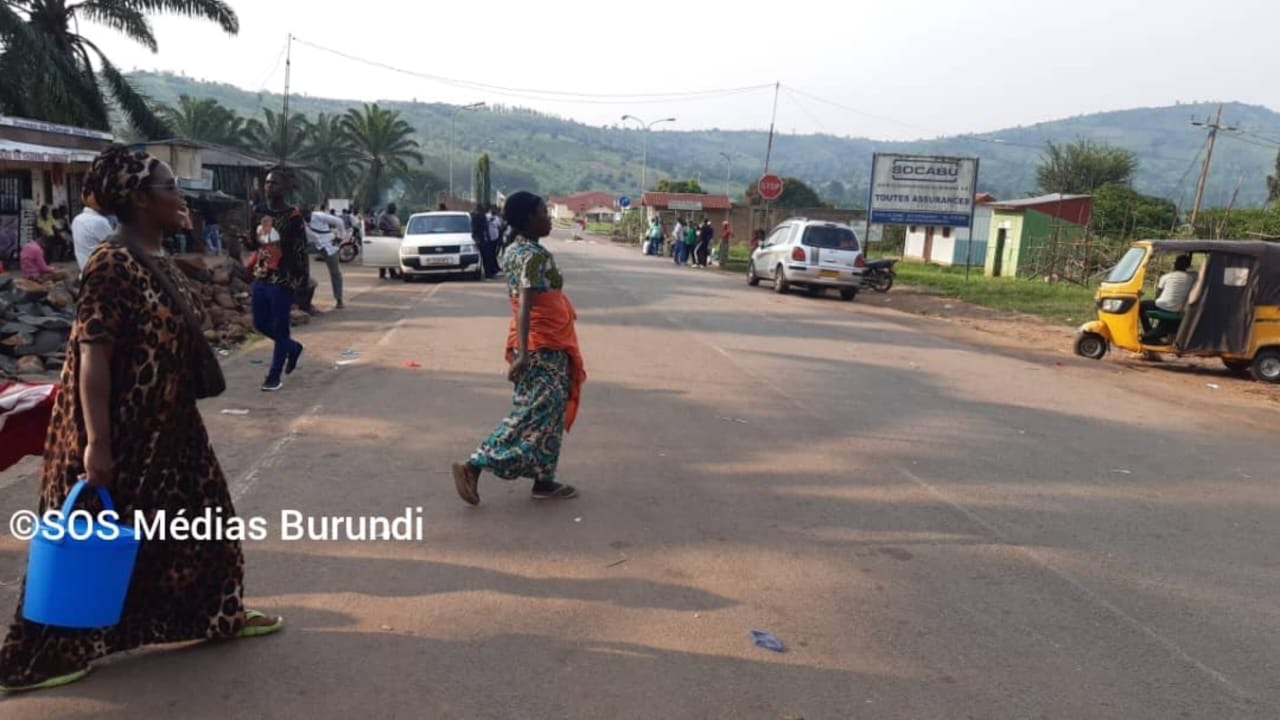
Burundi : women with breast cancer plead for the reopening of borders with Rwanda
SOS Médias Burundi
Bujumbura, October 18, 2025 – The prolonged closure of the borders between Burundi and Rwanda continues to penalize hundreds of citizens, particularly women with breast cancer, who rely on cross-border medical care for their treatment. These patients denounce the cost and fatigue associated with traveling via circuitous routes, particularly through Tanzania.
The decision to close the borders was made in January 2024 by the Burundian government, after Kigali was accused of supporting armed groups hostile to the Burundian government, notably RED-Tabara, a rebel movement based in the Democratic Republic of Congo. President Évariste Ndayishimiye has repeatedly stated that “peace in Burundi cannot be guaranteed as long as certain neighboring countries harbor enemies of the Burundian people.” Without explicitly mentioning Rwanda, his remarks were clearly aimed at Kigali, which he accuses of “destabilizing the subregion” and of wanting to “attack his country as it invaded the Congo.”
Meeting N.C., a patient, in Bujumbura, the commercial capital of Burundi, where UN agencies and the central administration are concentrated, she recounts :
“Five years ago, I was told I had breast cancer. Like everyone else, I was scared. At that time, it was easier to get treatment in Rwanda. The journey was inexpensive, even though the care was expensive. Today, I have to go through Tanzania. The journey is long and exhausting, especially when you’re sick.”
Like many others, she pleads for a quick solution :
“Some say you can get treatment here, but they don’t know what it’s like to live with an illness that disrupts an entire family. We’re asking the government, like a parent, to look beyond political issues and reopen the borders so we can access care more easily.”
G.K., who has also been suffering from breast cancer for over five years, shares the same sentiment :
“When I was diagnosed with the disease, my children were still very young. My husband supported me and took me to Rwanda, where I received good care. Today, I’m receiving medical follow-up, but the border closures make everything much more difficult.” Traveling through Tanzania is tiring and expensive. The government should take action to change this situation.”
Cassilde, another patient, also shares her difficulties :
“I often make this trip for treatment. It’s not a choice, it’s a necessity. If the borders opened, it would be a great relief for us.”
This situation was documented in a previous investigation by SOS Médias Burundi, published on July 14, 2025, which already showed the difficult and dangerous journeys of Burundian passengers and patients requiring cross-border care, highlighting the humanitarian and health impact of border closures on the lives of civilians.
A continuing diplomatic crisis
Relations between Burundi and Rwanda have been strained for several years. In January 2024, Gitega ordered the closure of land borders, accusing Kigali of supporting armed groups hostile to the Burundian government, notably RED-Tabara—a rebel movement based in the Democratic Republic of Congo, suspected of having collusion in Rwanda.
President Évariste Ndayishimiye has repeatedly stated that “peace in Burundi cannot be guaranteed as long as certain neighboring countries harbor enemies of the Burundian people.” Without explicitly mentioning Rwanda, his remarks leave little doubt as to the target of his accusations.
During public meetings—including in Kinshasa with young people and later with diplomats accredited to Bujumbura—the Head of State went further, accusing his Rwandan counterpart, Paul Kagame, of being “the destabilizer of the subregion” and of wanting to “attack his country as he invaded the Congo.” These accusations he has also reiterated in several interviews with foreign media.
For its part, Rwanda has consistently denied these allegations, calling for dialogue and the normalization of bilateral relations. However, regional mediation efforts, particularly those initiated by the East African Community (EAC), have so far been ineffective : border posts remain closed, and the hopes of local populations remain dependent on diplomatic decisions that are slow in coming.
You might also like
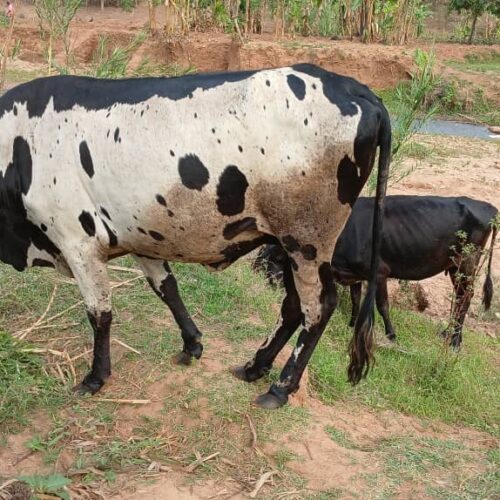
Burunga : the lump-stain disease and the foot-and-mouth disease decimate cattle herds
SOS Médias Burundi Burunga, February 25, 2026 – The province of Burunga, in southern Burundi, is facing a worrying resurgence of animal diseases. For nearly two months, lump-stain disease and
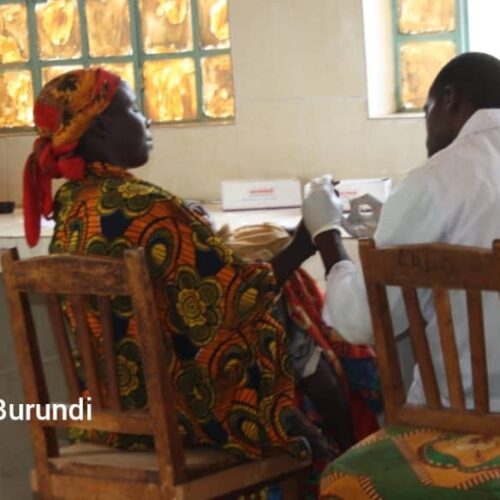
Burundi : the fight against AIDS on the verge of a historic setback
SOS Médias Burundi Bujumbura, December 1, 2025 — After two decades of significant progress, the fight against HIV/AIDS in Burundi is entering a critical phase. Encouraging figures demonstrate the effectiveness
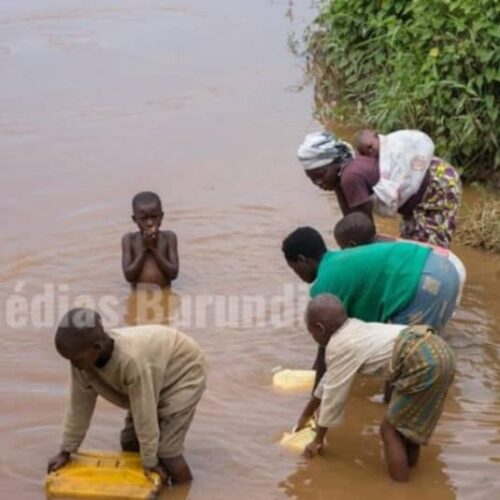

Ntahangwa: eight cases of cholera recorded in one week
This Thursday, four cases of cholera were detected in Bukirasazi 1 in the Kinama zone. It is in the urban commune of Ntahangwa, in the north of the commercial city