

Photo of the week-Burundi : 217 inmates released in Ngozi to ease overcrowding in prisons
217 inmates, including 195 men, 19 women, and 3 underage girls, were released on Friday from the men’s and women’s prisons in Ngozi, in the north of the small east African nation. This exceptional measure is part of an operation aimed at reducing prison overcrowding, a recurring problem in several penitentiary facilities across the country.
According to the Attorney General, Rose Nkorerimana, the releases primarily concern elderly individuals and inmates serving short sentences.
“This operation aims to alleviate prison overcrowding and improve detention conditions,” she stated.
A call for reintegration and self-development
Addressing the recently released prisoners, the Attorney General urged them to avoid reoffending and to engage in self-development activities.
“We advise the released prisoners to go directly to self-development projects and avoid falling back into the same offenses,” she emphasized.
A central prison far beyond its capacity
Despite this release, the situation remains critical at the Ngozi Central Prison for men, which currently hosts more than 1,800 inmates in a facility designed for approximately 400. This overcrowding results in particularly difficult living conditions : chronic food shortages, insufficient beans and maize flour, and frequent water and electricity outages.
Due to overcrowding, some inmates are forced to sleep outdoors, while others are crammed into cells designed for five people but occupied by twenty or more prisoners.
Diseases proliferate behind bars
Overcrowding also fosters the spread of diseases, including skin conditions and epidemics such as cholera, according to prison sources. This situation poses serious health risks to prisoners.
A persistent national prison crisis
Beyond Ngozi, the problem is systemic. In Burundi, prisons have an official capacity estimated at 4,294 places, while the prison population regularly exceeds 12,000 inmates. In some facilities, the occupancy rate exceeds 300%, exacerbating detention conditions and internal tensions.
The civil society welcomes the move, but calls for reforms
Human rights civil society organizations welcome the release, but deem it insufficient given the scale of the problem.
“Releasing 217 prisoners is a positive step, but it’s only a temporary solution. As long as penal policies aren’t reformed, prisons will remain overcrowded,” says an official from a local organization in Ngozi.
Other actors advocate for alternatives to imprisonment, particularly for minor offenses.
“Abusive pretrial detention and short sentences contribute significantly to prison overcrowding. It is urgent to promote community service and penal mediation,” emphasizes a human rights activist.
Our photo : Attorney General Rose Nkorerimana hands over a release order to a prisoner, a symbol of the prison decongestion measure in Ngozi, on January 16, 2026 (DR/SOS Médias Burundi)
You might also like

Photo of the week : SADC troop withdrawal agreement, towards peace restoration
A crucial agreement was signed on Friday, March 28, between General Sultani Makenga, commander of the M23 rebels, an armed group affiliated with the Congo River Alliance (AFC) politico-military movement,
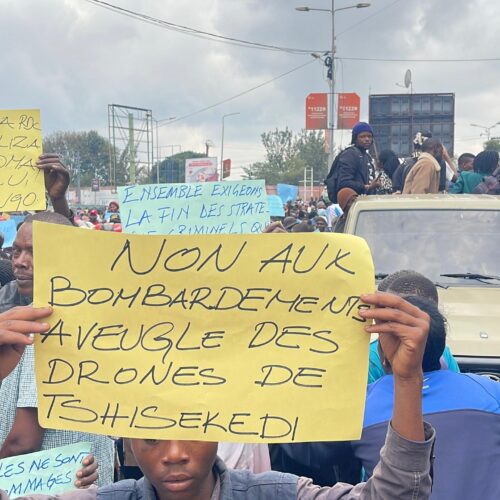
Photo of the week : Goma rises up against bombing of civilians after aid worker’s death
Thousands of residents of Goma, the capital of North Kivu province in eastern Democratic Republic of Congo, participated in a large peaceful march on Thursday to denounce the bombing of
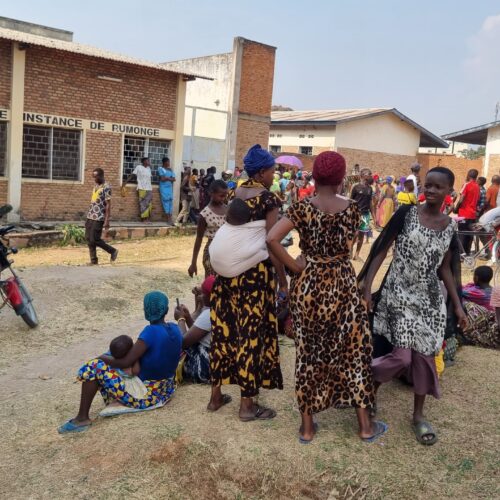

Picha ya wiki: umati wenye hasira wazingira Ofisi ya Mwendesha Mashtaka kutaka Mkuu wake wa kilima aachiliwe.
Mvutano ulizuka Alhamisi katika mji mkuu wa tarafa ya Rumonge. Makumi ya wakazi wa kilima cha Mwange , katika Mkoa wa Burunga, kusini mwa Burundi, walizingira ofisi ya mwendesha mashtaka