
Meheba (Zambia) : refugees welcome the introduction of school meals
SOS Médias Burundi
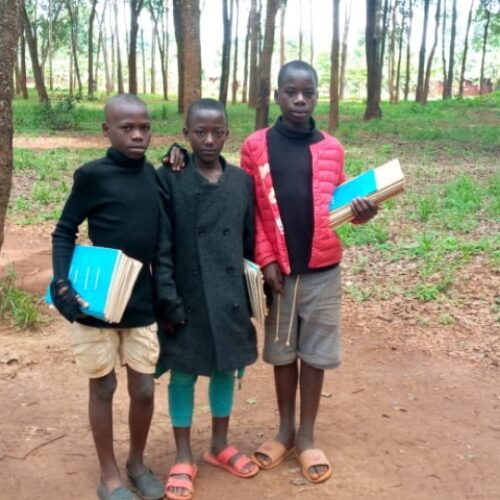
Meheba, February 10, 2026 – Since January, all primary schools in the Meheba camp in northwestern Zambia have been integrated into a school meal program funded by the UNHCR and the Zambian government. The new system aims to reduce the alarming dropout rate.
Parents and children in primary schools across the region are breathing a sigh of relief. Since the first term, which began last January, all schoolchildren are now being fed at school.
“They don’t need to eat lunch at home because they come home having been sufficiently fed and satisfied. They also receive a balanced diet, which we couldn’t provide at home.” “It’s a real source of pride for us parents,” says a Burundian refugee with two children attending primary school in Zone A.
For him, life at the site had become unbearable, with extreme poverty exacerbated by rising market prices.
The budget supporting this school canteen program comes from the UNHCR and the Zambian government.
Their goal is to reduce the number of school dropouts.
“They noticed that almost half the children had dropped out of school before the end of the 2025 academic year. So, they wanted to address this problem, which was likely to worsen this year,” adds another refugee, a member of the parents’ committee at one of the schools.
To involve parents, they are asked to contribute 1,000 Zambia kwacha per term each.
The UNHCR explained that the program has not yet received sufficient funding, despite its critical importance. This is why everyone needs to be involved, a point not rejected by those directly affected.
However, they do raise some challenges.
“We’ve seen certain foods on the market, like rice, peas, and sugar, that we suspect come from school stocks. So, if it turns out that headteachers are selling these items, this program would be doomed to failure. We recommend regular monitoring by the UNHCR,” they say.
Another concern is the disparity in the daily menu from one school to another. Parents are requesting that the menu be standardized to allow for better monitoring and to limit children’s complaints.
Nearly ten primary schools are located in this camp in northwestern Zambia, which currently hosts more than 27,000 refugees of various nationalities, including approximately 3,000 Burundians.
You might also like

Lusenda -Mulongwe: UNHCR donates cash to vulnerable refugees
The concerned persons are roughly 3,250 people. Every individual received one hundred US dollars. They are settled in the camps of Lusenda and Mulongwe on the Fizi territories in the
Kakuma : the deadly road that brings grief to Burundian refugees
SOS Médias Burundi Kakuma, July 21, 2026—Two Burundian refugees lost their lives Friday in a traffic accident near the Kakuma camp in northwestern Kenya. Several other people, including some seriously
 : refugees welcome the introduction of school meals)
Nduta-Nyarugusu (Tanzania): a handover and takeover process between humanitarians which costs much for the beneficiaries
For more than a week, some humanitarian NGOs have been leaving the camps to make way for new comers who must continue to take care of refugees. This is particularly