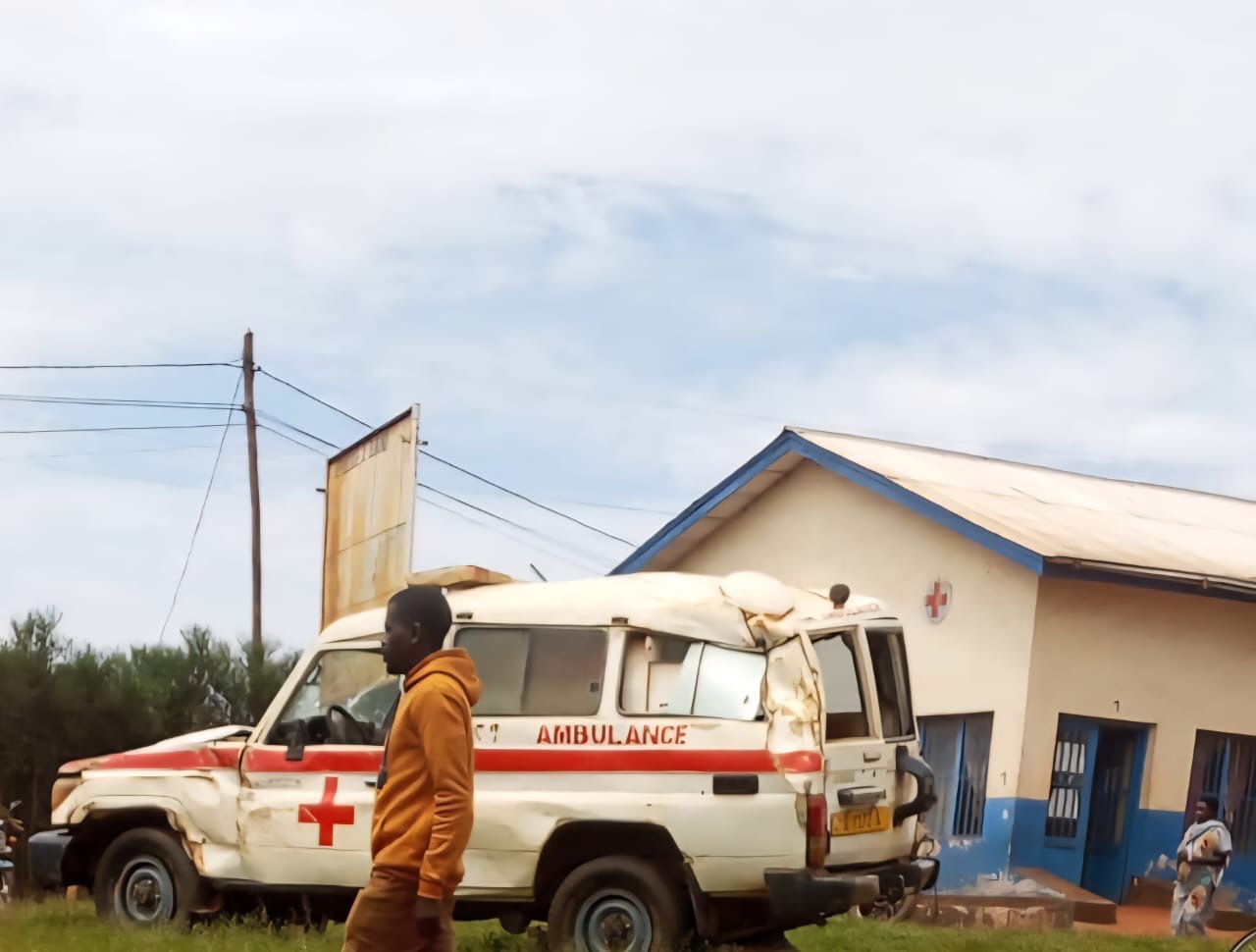
Butihinda : denied care and neglect at Gashoho Hospital, Congolese refugees abandoned
SOS Médias Burundi
Butihinda, February 26, 2026 – Congolese refugees living in the Kinama camp in Buhumuza province and the Musasa camp in Butanyerera province, in the east and north of the small east African nation, face significant health challenges.
In recent months, transfers for intensive care to the Gashoho District Hospital, located in the district of Butihinda, have decreased sharply. This situation is attributable to budgetary constraints faced by several international organizations, including the United Nations High Commissioner for Refugees (UNHCR) and its health partners, including Trauma Healing and Reconciliation Services (THARS-Burundi).
Medical needs exceeding local capacity
The two camps are home to more than 16,000 Congolese refugees. Emergency cases exceeding the capacity of camp health centers—particularly pregnant women requiring cesarean sections, children with severe illnesses, or adults with acute complications—are usually transferred to Gashoho.
However, only cases deemed extremely critical are now being treated, leaving some patients without adequate care.
Complaints about the quality of services
Several refugees are denouncing the conditions of care at the hospital. An anonymous refugee reports :
“We were asked to buy medication from private pharmacies because the hospital didn’t have enough. The nurses also send us to private clinics for certain tests, particularly in Masanganzira and Muyinga. This is very expensive for us. We ask the UNHCR and its partners to collaborate with other hospitals where services are better organized and appropriate. We need dignified and comprehensive care.”
Water supply problems
Gashoho Hospital also faces frequent water cuts. The supply from Regideso, the only state-owned company responsible for water and electricity distribution, is irregular. Patients often use rainwater collected in cisterns, while caregivers have to walk more than a kilometer to fetch water from a public tap.
Mwavita, a refugee from the Kinama camp and a caregiver, explains :
“Every day, I have to go far from the hospital to fetch water. I make several trips back and forth with jerrycans while my sick relative is left alone. Without water, it becomes difficult to maintain hygiene and cleanliness.”
Limited transfers to other facilities
Some more complex cases are referred to other hospitals, notably in Muyinga, Kiremba, Ngozi, and, more rarely, Kibuye, in Gitega province (central Burundi). However, these transfers remain limited and heavily dependent on available resources.
In this context of persistent budgetary pressures and growing needs, providing intensive care for refugees remains a major humanitarian challenge, leaving these vulnerable populations to fend for themselves.
You might also like
Tanzania : camp closures extended, another month of impending ordeal
SOS Médias Burundi Kigoma, April 2, 2026 — The Burundian refugee camps of Nduta and Nyarugusu, initially scheduled to close on March 31 and June 30, 2026, respectively, will remain
Bujumbura : unfair bonuses – the FNSS denounces favoritism in the health sector
The National Federation of Health Sector Unions (FNSS) is speaking out against a controversial decision by the Ministry of Health. The union denounces the exclusive allocation of certain bonuses to

Nyarugusu (Tanzania) : all cell leaders sacked
The decision is from the Ministry of the Interior, in charge of refugees. It was implemented by the president of the camp. The measure was decried by Burundian refugees settled