
Burundi : SOS-Torture denounces a climate of repression and violence in 2025
SOS Médias Burundi
Bujumbura, March 18, 2026 — The 2025 annual report of SOS-Torture Burundi, an organization operating from exile, paints a grim picture of the human rights situation in the small east African nation. Although not recognized by the authorities, who consider the organization hostile, SOS-Torture documents serious and systematic violations affecting the entire population.
Political and socio-economic context
In 2025, the CNDD-FDD, the ruling party, consolidated its power through legislative, district, and senatorial elections, in a context marked by the repression of the political opposition, journalists, and human rights defenders. Recent administrative reforms, particularly the reduction in the number of provinces and districts, have limited the visibility of certain violations and made it more difficult to protect the population.
Economically, the country is facing a 39% inflation, fuel shortages, and a foreign currency crisis. Crackdowns on smuggling have often been accompanied by violence and abuses, exacerbating the precarious situation of its citizens.
Regionally, Burundi is affected by the armed conflict in eastern Democratic Republic of Congo, with the Burundian army directly fighting alongside government forces and the massive influx of Congolese refugees increasing security and humanitarian pressures on the Burundian territory.
Documented violations in 2025
SOS-Torture Burundi documented 222 cases of serious violations :
Violations of the right to life
136 cases (61% of the total) : including extrajudicial killings, executions by members of the CNDD-FDD youth league, and deaths in detention related to abuse or denial of medical care.
Members of the CNDD-FDD youth league, the former Hutu rebel group that has been in power since 2005 following the Arusha Agreement of August 2000, are frequently involved in acts of targeted violence against opposition activists, traders, or civilians accused of witchcraft, according to SOS-Torture.
Violations of physical integrity
29 documented cases : torture, ill-treatment, and targeted attacks.
Victims : opposition activists, journalists, and ordinary citizens. Violence is often perpetrated by members of the CNDD-FDD youth league with the implicit complicity of the security forces.
Arbitrary arrests and detentions
27 cases : used as a tool of repression against critical voices and political opponents, often without legal justification or access to a lawyer.
Abductions and enforced disappearances
30 cases : clandestine practices aimed at instilling fear and controlling the population.
Climate of impunity and fear
The report emphasizes that the majority of violations go unpunished, and that fear is used as an instrument of political control. Democratic space is extremely limited, and journalists, activists, and human rights defenders operate in an environment of constant threat.
Call to action
SOS-Torture Burundi calls on the authorities to :
Open impartial investigations into all documented violations.
Protect victims and witnesses.
Respect international human rights obligations.
The organization reiterates that its work, though conducted in exile, is independent and documented, despite the Burundian authorities’ refusal to acknowledge it and their accusations of collaborating with enemies of the nation.
You might also like
Burunga : pupils forced to abandon school to serve political propaganda
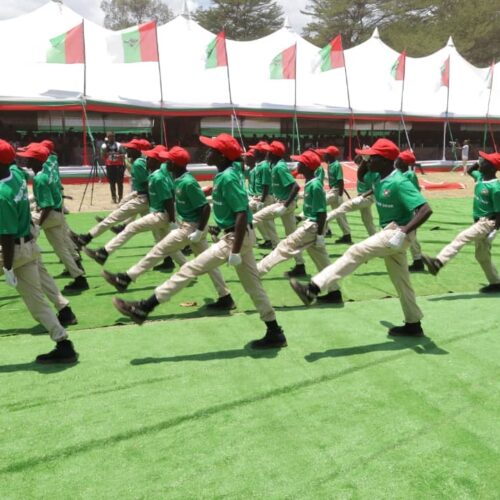
SOS Médias Burundi Makamba, February 9, 2026 – In Burunga province, southern Burundi, several pupils were prevented from attending classes last Saturday to welcome the First Lady, Angeline Ndayishimiye, who
Crisis in eastern Congo : towards direct negotiations between the M23 and Kinshasa
The Angolan presidency announced Tuesday that it will establish a direct contact with the M23 armed group, with a view to direct negotiations between the Congolese government and this group,

Mutwana : exclusion and essure on the sidelines of the village-based elections
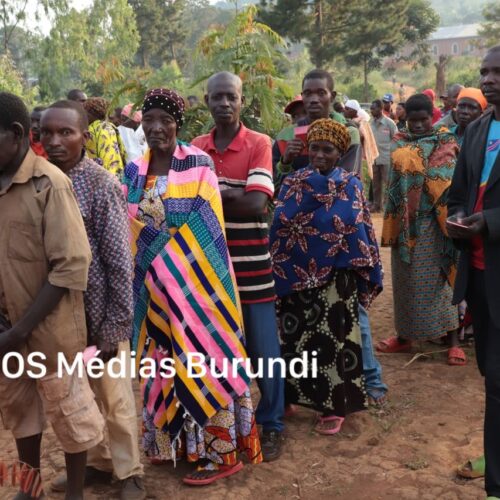
SOS Médias Burundi, Rutana, July 4, 2025 – As the elections of councilors for village on Mutwana village approach, located in the Butezi zone of Giharo district, Rutana province, southeastern