DRC : bombings, military tensions, and regional rivalries at the heart of a protracted conflict in the east of the country
SOS Médias Burundi
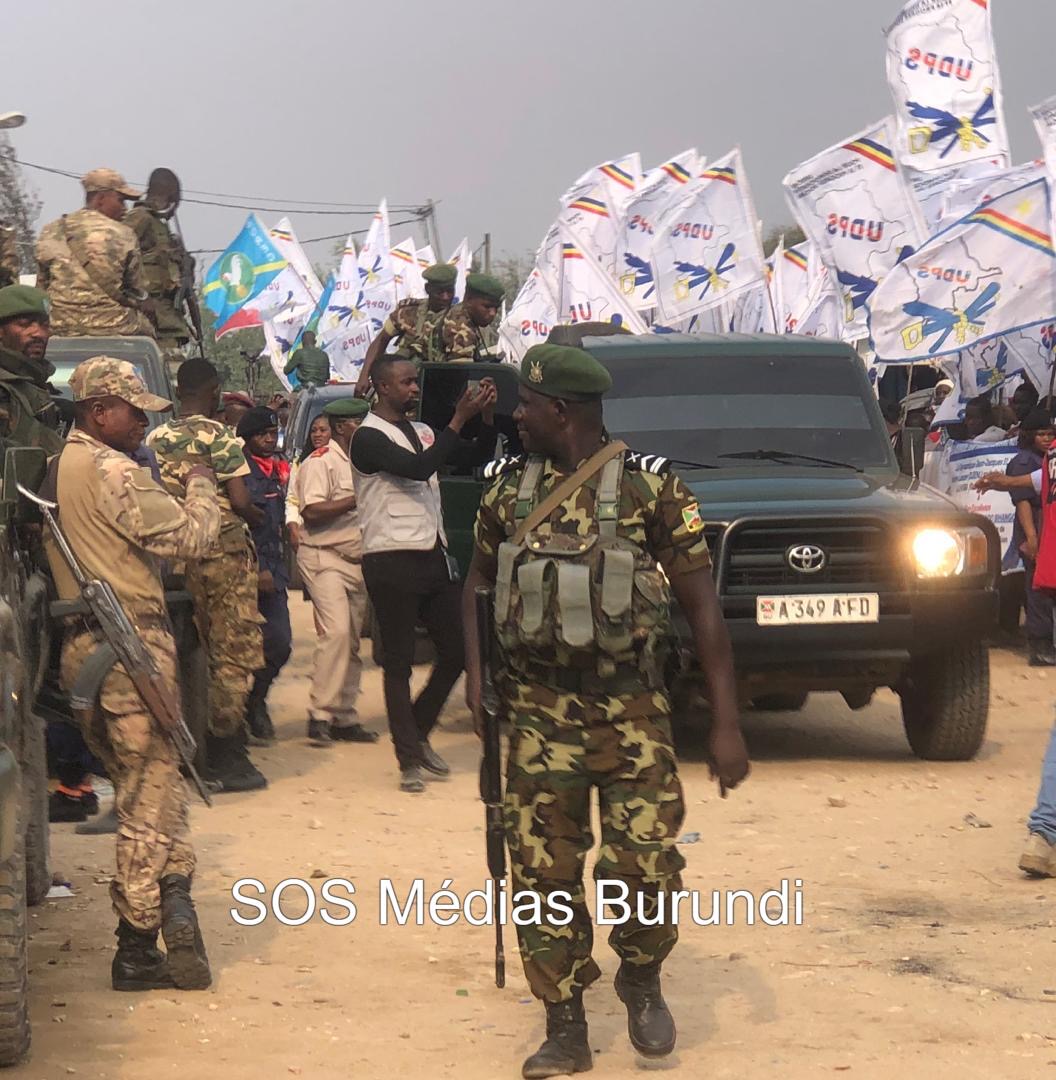
Bukavu, March 22, 2026 — In eastern Democratic Republic of Congo, a new wave of accusations of bombings targeting civilians is reigniting tensions in the Fizi territory of South Kivu province. Strikes attributed to the Armed Forces of the DRC (FARDC), operating in coalition with the Burundian army and local Wazalendo militias, reportedly hit areas inhabited by Banyamulenge populations, according to local sources.
These operations are taking place against a backdrop of ongoing fighting involving several armed groups, including the M23 and the Twirwaneho group, composed mainly of young Banyamulenge and considered a strategic ally of the M23 in South Kivu. Clashes between these various groups and forces allied with Kinshasa continue to expose civilians to high risks in several isolated rural areas.
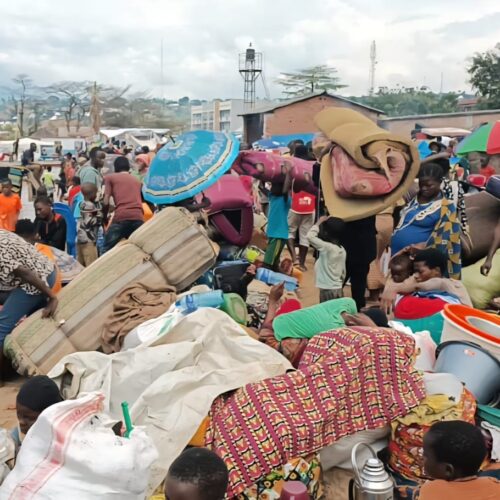
According to information gathered by SOS Médias Burundi, the bombings of March 19 and 20, 2026, reportedly caused casualties among Banyamulenge civilians, including women and children, as well as the destruction of homes. Injured individuals were reportedly admitted to local health facilities, although access to these areas remains limited for independent observers.
In this region, the Burundian army is fighting alongside the FARDC (Armed Forces of the Democratic Republic of Congo), the Congolese loyalist army, and the Wazalendo militias supported by Kinshasa. These forces are notably confronting the M23 and its allies, in an environment marked by military, political, and community rivalries.
The M23, a former Tutsi-dominated rebellion that resumed hostilities in late 2021, is now affiliated with the Congo River Alliance (AFC), a political-military coalition led by Corneille Nangaa, former president of the Independent National Electoral Commission (CENI) of the Democratic Republic of Congo. The coalition advocates for the establishment of a federal state in the DRC. It controls several strategic areas in the east of the country, including the cities of Goma and Bukavu, as well as important mining sites such as Rubaya, one of the world’s largest coltan deposits.
On the military front, an internal report from the Congolese Ministry of the Interior and Security, consulted by SOS Médias Burundi in December 2025, indicates that the Burundi National Defense Force (FDNB) deployed more than 29,000 soldiers in eastern DRC between August 2022 and December 2025. This deployment is part of a security cooperation agreement between Gitega and Kinshasa aimed at strengthening security cooperation in a regional context marked by accusations related to the 1994 genocide against the Tutsis and persistent tensions between Great Lakes states.
The FDNB spokesperson, Brigadier General Gaspard Baratuza, acknowledged on the BBC that some Banyamulenge civilians may find themselves trapped in areas considered to be combat zones. He stated : “It is understandable that those who go to buy food for the enemy are blocked,” a position that has drawn criticism from human rights organizations and representatives of the Banyamulenge community.
On the ground, the AFC and its allies control several strategic areas in the east of the country, including the cities of Goma and Bukavu, as well as resource-rich sites such as Rubaya, a major coltan deposit used in the global technology industry.
Regional tensions between the DRC, Rwanda, and Burundi are also fueling instability. Kinshasa accuses Kigali of supporting the M23, which Rwanda firmly denies, while Kigali, in turn, accuses the DRC and Burundi of supporting the Democratic Forces for the Liberation of Rwanda (FDLR), a Rwandan Hutu armed group, some of whose members are accused of participating in the 1994 genocide against the Tutsis.
Despite these disagreements, a report by the UN Group of Experts published in December 2025 asserts the presence of 5,000 to 7,000 Rwandan soldiers alongside M23 fighters in eastern DRC.
Diplomatic initiatives are struggling to bring about lasting peace. An agreement signed in Washington on December 4, 2025, between the DRC and Rwanda, under the US mediation, aimed to reduce tensions and foster security cooperation between the two countries. Burundi participated in this agreement as an observer, represented by President Évariste Ndayishimiye.
In this context, organizations from the Banyamulenge community denounce targeted violence, mass displacement, and movement restrictions, while other actors dispute these accusations and point to political and narrative issues surrounding the conflict in eastern DRC.
You might also like
DRC : reported progress of Burundian troops towards Minembwe via Bibokoboko, in a context of clashes with M23 and Twirwaneho
SOS Médias Burundi Bukavu, April 16, 2026 – A large contingent of Burundian soldiers was reported on Thursday in Bibokoboko, in the area of Mutambala, Fizi territory, in the province
Burundi : a EurAc report warns of a blocked electoral process and a country on the verge of collapse
SOS Médias Burundi Bujumbura, May 24, 2025 – With less than two weeks to go before the legislative and district elections, a report from the Europe-Central Africa Network (EurAc) is

Cholera in Rumonge : at least 7 Congolese refugees dead in two weeks
SOS Médias Burundi Rumonge, December 23, 2025 – A deadly cholera epidemic has struck the port city of Rumonge in southwestern Burundi. In the past two weeks, at least seven