Kiremba : alcoholism on the rise in Musasa refugee camp and threatens social cohesion
SOS Médias Burundi
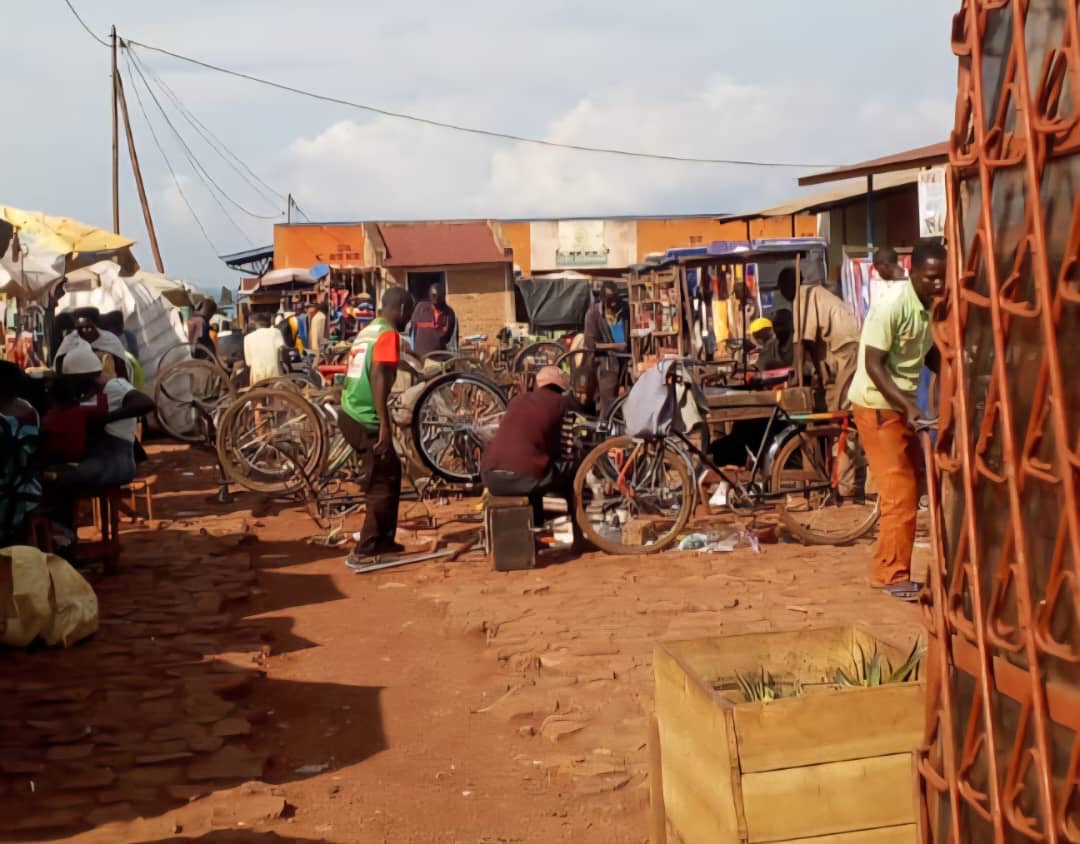
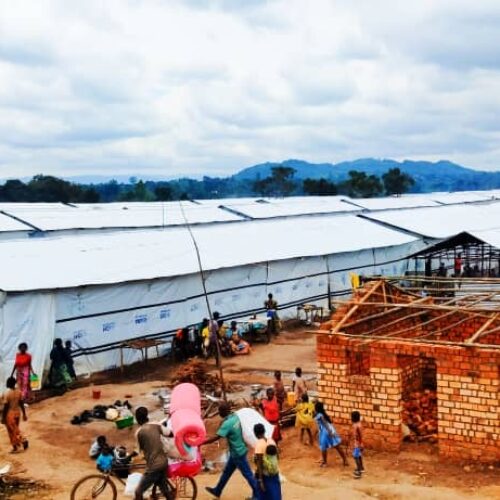
Kiremba, July 6, 2026 — The excessive consumption of hard liquor by some Congolese refugees in the Musasa camp, located in the Kiremba district of Butanyerera province in northern Burundi, is causing growing concern among residents, community leaders, and camp officials. According to several accounts gathered by SOS Médias Burundi, this phenomenon is undermining social cohesion and exacerbating the already significant difficulties faced by refugee families.
According to several residents, some refugees, mainly adults, regularly consume hard liquor sold in Burundi. In addition to these, they also consume locally produced traditional alcoholic beverages. This consumption frequently leads to cases of intoxication observed in several areas of the camp.
The Musasa camp hosts more than 9,000 Congolese refugees who fled violence in eastern Democratic Republic of Congo (DRC). Already facing hardship due to living conditions, unemployment, and a lack of livelihoods, many residents believe that alcohol abuse only exacerbates their precarious situation.
Community leaders say that many households are directly affected by this phenomenon. They cite marital conflicts, domestic violence, neglect of family responsibilities, and tensions between neighbors.
According to several testimonies gathered on site, some drinkers spend a significant amount of time in bars located near the camp or in surrounding towns. Residents report witnessing recurring cases of drunkenness, sometimes leading to family disputes or neighborhood disturbances.
This situation is also a concern for camp officials, community leaders, and many families, who denounce social, economic, and health consequences of excessive alcohol consumption.
Faced with this situation, the camp administration is calling on refugees to act responsibly and avoid excesses in order to preserve safety, social cohesion, and the well-being of families.
Among those affected is a refugee who agreed to speak on condition of anonymity. She explains that her husband regularly drinks alcohol and hardly contributes to household expenses anymore.
“My husband spends a lot of his time drinking. When he receives a little money, he often uses it to buy alcohol instead of contributing to the family’s needs. He even asks me to give him part of the financial assistance we receive from the World Food Program (WFP) so he can go drinking. Today, I am the only one struggling to feed the children and buy basic necessities,” she confides.
According to this woman, the difficulties are not limited to the financial sphere. She states that her husband sometimes becomes aggressive when he comes home drunk.
“When he’s had too much to drink, he sometimes becomes verbally abusive and often starts arguments. He even gets into fights with the neighbors. This situation creates a climate of fear for me and the children,” she explains.
Interviewed by SOS Médias Burundi, a health worker at the camp, who requested anonymity, points out that excessive alcohol consumption can have serious consequences for physical and mental health.
“Alcohol abuse can lead to liver disease, cardiovascular problems, high blood pressure, behavioral disorders, and addiction. In some people, it also increases the risk of accidents, violence, and family conflicts,” he explains.
According to this health professional, strong alcoholic beverages pose even greater risks when consumed regularly and in large quantities.
“The higher the alcohol content, the greater the health risks.” “In the long term, excessive consumption can weaken the body, reduce work capacity, and have serious repercussions on family and social life,” he adds.
Faced with this situation, several camp residents, community leaders, and health workers are calling for strengthened awareness campaigns about the dangers of alcohol abuse. They believe that prevention efforts, combined with improved psychosocial support and income-generating activities, could help reduce this phenomenon and preserve social cohesion within the Musasa camp.
You might also like
Nduta (Tanzania) : a camp turning into a savannah?
The Nduta camp in Tanzania, which hosts more than 58,000 Burundian refugees, seems to be gradually transforming into a savannah or a natural reserve. This situation, a direct consequence of
Bwagiriza : new round-up of Banyamulenge refugees; fear grips the camp
SOS Médias Burundi Bwagiriza, October 5, 2026 — The arrest of Alexis David Musore—a Congolese refugee from the Banyamulenge community who has lived for over fifteen years in the Bwagiriza

Rutana : Congolese refugees angry after an alleged embezzlement of a humanitarian aid
SOS Médias Burundi Rutana, May 4, 2025 – Tensions are running high at the Musenyi site in Rutana province, southeastern Burundi. Hundreds of Congolese refugees demonstrated violently last week to