
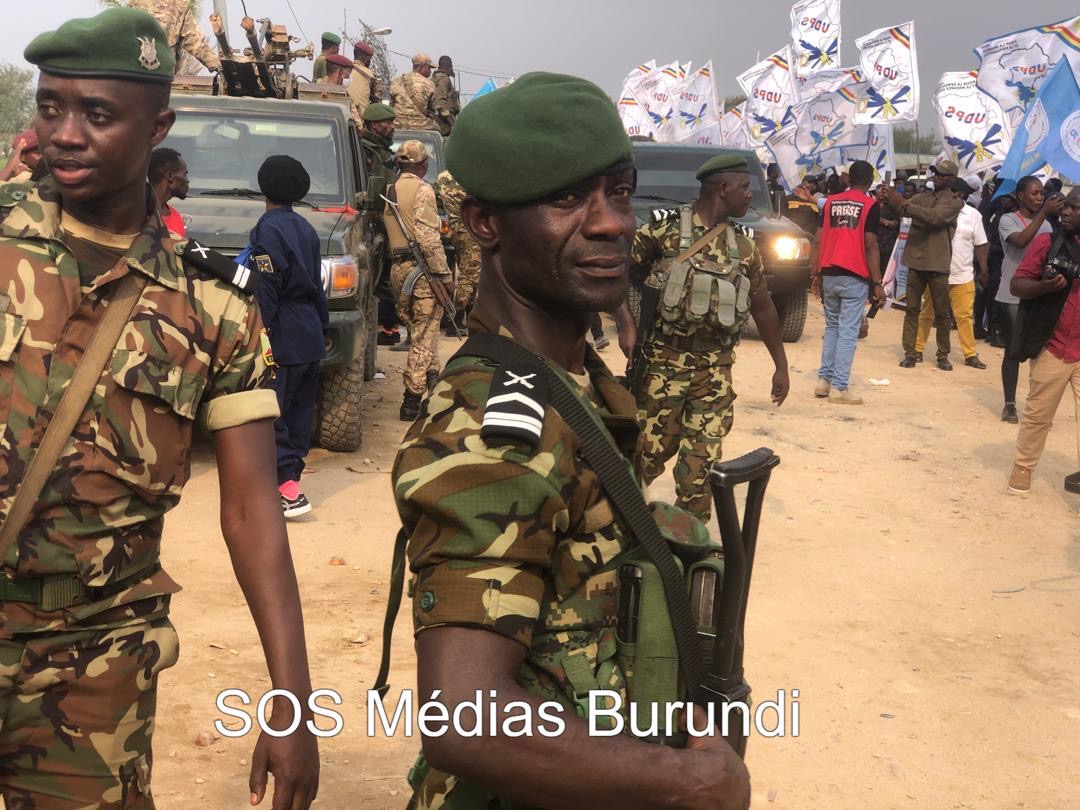
South Kivu : Twirwaneho armed group and M23/AFC-M23 claim to have fallen Point Zero, the main stronghold of the FARDC and FDNB in the highlands
SOS Médias Burundi
Minembwe, July 6, 2026 — The Twirwaneho armed group and the M23/AFC-M23, affiliated with the Congo River Alliance (AFC-M23) political-military coalition, claim to have taken control of the strategic position of Point Zero, in the Itombwe sector of Mwenga territory in South Kivu. According to these groups, this base was one of the main strongholds of the Armed Forces of the Democratic Republic of Congo (FARDC), the Burundi National Defense Force (FDNB), and the Wazalendo militia, supported by Kinshasa, in the highlands, an area marked by recurring clashes for several months. No official reaction had been recorded at the time of publication.
In a statement signed by Fidèle Rugabo, the military spokesperson for the armed group Twirwaneho, the fighters claim to have launched an offensive on Saturday, July 4, against the Point Zero position, before taking control after several hours of fighting.
“Point Zero has fallen into our hands,” the statement indicates, adding that the FARDC (Armed Forces of the Democratic Republic of Congo), the Burundian FDNB (National Defense Forces of Burundi), and the Wazalendo militia, supported by Kinshasa, have abandoned their positions.
Local sources contacted by SOS Médias Burundi report that intense fighting has been reported in several surrounding areas, particularly on the roads connecting Mikenge, Kalongi, and Rubemba.
In Minembwe, many residents say they are observing the situation cautiously, while hoping for a lull in the fighting after several months of continuous violence.
“Since the beginning of the year, we have been living to the rhythm of the fighting.” “If this position has truly fallen, perhaps it could reduce attacks in the region,” a resident confided.
According to several local sources, elements of the FARDC (Armed Forces of the Democratic Republic of Congo) and the FDNB (Burundi National Defense Forces) have reportedly abandoned several positions, including Point Zero, Mikenge, Kalongi, Rubemba, and Kakenge, retreating towards Mutambala, Mukera, and the neighboring territory of Fizi. However, this information could not be independently verified.
Furthermore, residents of the Mulima center claim that Burundian soldiers were targeted by drone strikes on Friday. No official casualty figures were available at the time of publication.
A strategic position in the highlands
Located in the Itombwe mountain, the Point Zero base is considered one of the most sensitive military positions in the South Kivu highlands. It controls several strategic routes linking Minembwe, Mikenge, Mwenga, and Fizi, in an area where armed groups regularly clash for territorial control.
Since the withdrawal of the M23/AFC-M23 from the city of Uvira in January 2026, fighting has intensified in the highlands, which have become an epicenter of clashes between the FARDC (Armed Forces of the Democratic Republic of Congo), Burundian forces, the Wazalendo militia, and the Twirwaneho armed group, allied with the AFC-M23 coalition.
A Burundian military presence governed by a bilateral agreement
The presence of Burundian forces in the Democratic Republic of Congo is part of a bilateral security cooperation agreement between Gitega and Kinshasa.
Both governments have repeatedly confirmed the existence of this agreement, which authorizes the deployment of the Burundian National Defense Force on Congolese territory.
According to a report by the Congolese Ministry of the Interior and Security, consulted by SOS Médias Burundi, more than 29,000 Burundian soldiers were deployed in eastern DRC between August 2022 and December 2025.
Initially engaged in the fight against Burundian armed groups, notably RED-Tabara, the Burundian National Defense Forces (FDNB) are now participating in several joint operations with the Armed Forces of the Democratic Republic of Congo (FARDC) against various armed groups active in eastern DRC.
In recent months, several redeployments have been observed in the territories of Mwenga, Fizi, and Uvira, against a backdrop of renewed clashes between the government coalition and the two armed groups.
The FDLR and regional rivalries
The conflict in eastern DRC remains marked by tensions between several states in the Great Lakes region.
Kinshasa regularly accuses Rwanda of supporting the M23/AFC-M23, accusations rejected by Kigali. Rwanda, for its part, accuses the FARDC of collaborating with the Democratic Forces for the Liberation of Rwanda (FDLR), an armed group composed in particular of former Hutu leaders involved in the 1994 genocide against the Tutsis.
Burundi also accuses Rwanda of supporting hostile armed groups operating in eastern DRC, while Kigali criticizes Gitega for its cooperation with the FDLR and other armed groups active in the region.
A region that remains unstable despite diplomatic efforts
This latest claim comes amid high tensions, despite recent diplomatic efforts aimed at stabilizing eastern Democratic Republic of Congo.
The agreements signed in Washington on June 27, 2026, between the DRC and Rwanda, under US mediation, aimed to reduce hostilities and establish a framework for military disengagement in the region. However, fighting continues on the ground, particularly in the highlands of South Kivu.
This region remains one of the most unstable hotspots in the Great Lakes region, where local rivalries, intercommunal tensions, and geopolitical issues continue to fuel a complex and protracted conflict.
At the time of publication, no official reaction from the FARDC, the FDNB, or the Burundian authorities had been recorded regarding the claims made by the two armed groups.
You might also like
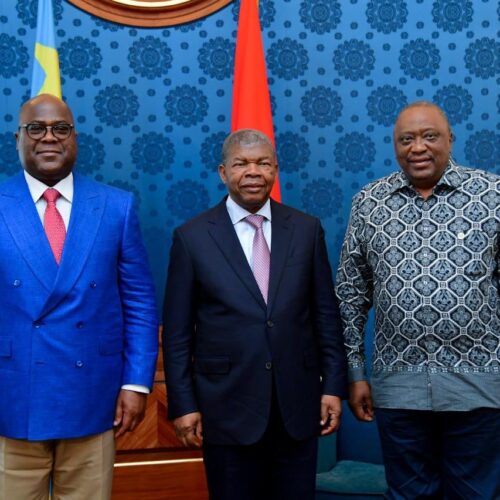
War in Eastern Congo: Rwanda wants commitments on its security before worrying about the Congolese question
The summit on the crisis in Eastern Congo that was planned for this Sunday between the Congolese and Rwandan presidents under the mediation of the Angolan head of state, has
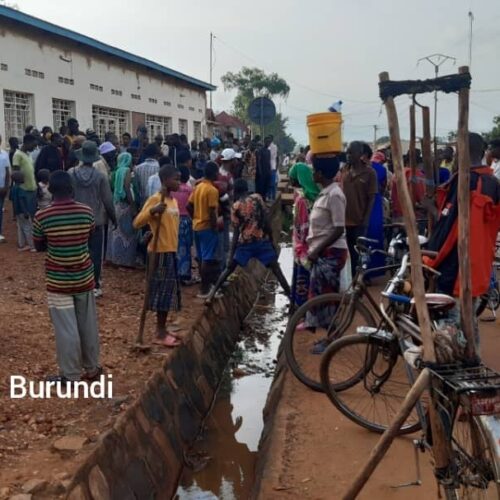
Rugombo : two decomposing bodies discovered, gray areas persist
SOS Médias Burundi Two unidentified bodies dressed in Burundian military uniforms were found Thursday, April 10, in Rugombo, a few kilometers from the provincial center of Cibitoke (northwestern Burundi). The
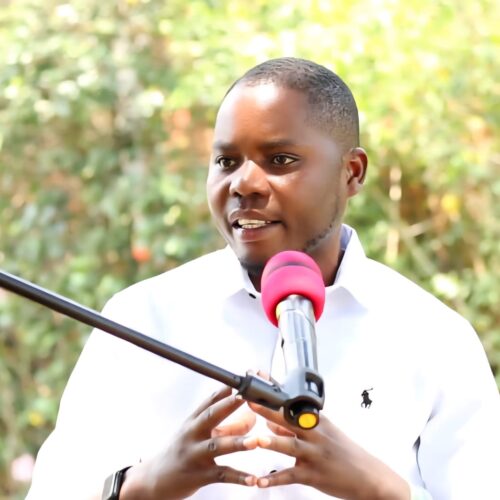

Ngozi : a Musasa refugee representative behind bars after allegations of abuse, relatives denounce harassment
SOS Médias Burundi Ngozi, July 29, 2026 – Matabaro Ntawigira, a representative of the Barundi community from the Rusizi Plain among Congolese refugees in Burundi, has been detained since July