Buhumuza : thirsty Muyinga, the water shortage raises fears of a health catastrophe
SOS Médias Burundi
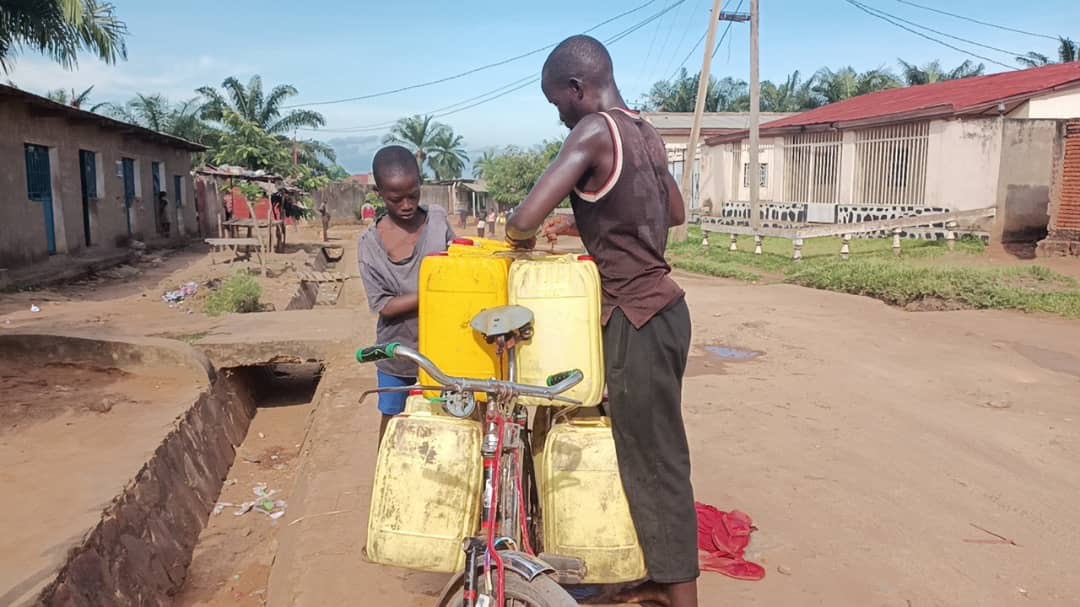
Muyinga (Buhumuza Province), July 14, 2026 – Dry taps, prohibitively expensive jerrycans of water, forced reliance on unreliable sources, and increasingly alarming hygiene conditions in schools : in Muyinga, in Buhumuza Province, northeastern Burundi, the shortage of drinking water has become a daily ordeal for residents. Persistent for several years, according to local accounts, the lack of water is now fueling fears of a health crisis in the city.
Entire neighborhoods without drinking water
In several neighborhoods in the urban center of Muyinga, including Swahili, Kinyota, and Mukoni, taps often run dry for extended periods. Residents are forced to seek water from private vendors, travel long distances, or, in some cases, rely on sources of uncertain quality.
The Swahili neighborhood, home to more than half the city center’s population according to the local administration, is one of the hardest hit.
“We are asking the authorities and Regideso (the national water utility) to intervene quickly. We are living in constant suffering due to the lack of drinking water,” says a resident.
For many households, searching for water has become a daily activity that disrupts domestic life, cooking, laundry, and hygiene practices.
The threat of waterborne diseases is intensifying.
The lack of drinking water is also raising fears of a deteriorating health situation. In several densely populated neighborhoods, residents fear an increase in diseases related to poor hygiene.
They are particularly worried about cholera, dysentery, and other waterborne illnesses.
A woman in her sixties explains that some families are sometimes forced to drink rainwater.
“During the rainy season, we have to drink rainwater. We know it’s not clean, but we have no other choice,” she says.
Water is becoming a luxury in Muyinga
In Kinyota, as in Mukoni, residents are also denouncing the soaring price of water.
A 20-liter jerrycan currently costs 1,500 Burundian francs, compared to 500 to 700 francs previously, according to several residents, before the waterp treatment plant was built in the center of Muyinga.
For many families facing a rising cost of living, this increase represents a difficult burden to bear.
“We are forced to spend a large portion of our income on water,” laments a resident.
Accusations against Regideso
Residents say this shortage has persisted for several years without a lasting solution being found. Many accuse Regideso of failing to ensure fair water distribution and denounce favoritism.
“We have the impression that certain hotels, particularly those in Kibogoye, are being given preferential treatment. We believe that Regideso officials are favoring certain clients at the expense of the population,” claims a local resident.
These accusations could not be independently verified. Regideso officials had not yet responded at the time of publication.
Regideso is the sole public company responsible for the distribution of drinking water and electricity in the small East African nation. It is regularly criticized by users who report frequent outages and difficulties accessing services in several regions of the country. For its part, the company often attributes these shortcomings to the rapid expansion of urban areas it serves, increased demand, and the challenges of strengthening infrastructure.
Schools also affected by the shortage
The water crisis is also impacting schools.
At the Muyinga District High School, located in the Kinyota neighborhood, pupils and teachers describe alarming hygiene conditions. Due to a lack of water, the latrines emit strong odors, and pupils struggle to wash their hands after using them.
“When we need to go to the toilet, we feel very unwell. We don’t even have water to wash our hands. Some prefer to hold it until they get home,” says a pipil.
School officials say they have reported the situation to the relevant authorities on several occasions.
“We have been raising the alarm for a long time, but so far no concrete solution has been implemented,” laments a school official.
A crisis that extends beyond Muyinga
Faced with this situation, residents are calling on the administrative authorities and Regideso (the national water utility) to take urgent measures to restore a regular supply of drinking water.
For them, the issue now goes beyond simple daily struggles : public health could be threatened if no swift response is forthcoming.
The situation in Muyinga is not unique. In several other regions of Burundi, residents are also reporting recurring shortages of drinking water.
These difficulties in accessing water complicate the daily lives of the population and heighten concerns about health risks. In Muyinga, residents are now hoping for rapid intervention so that drinking water becomes a service accessible to all once again.
You might also like
Social crisis in Burunga : Batwa demand more aid to save schools and families’ survival
SOS Médias Burundi Burunga, September 13, 2025 – In Burunga province, southern Burundi, poverty is hitting Batwa families hard : children are dropping out of school and mothers are turning
Kakuma (Kenya) : the lack of cemetery frustrates refugees
SOS Médias Burundi Kakuma, September 25, 2025 — In the Kakuma refugee camp in Kenya, overcrowding and a lack of space pose serious challenges for residents, particularly in ensuring dignified

Burundi : members of the LGBTQ community fear persecution after President Neva’s remarks
In Burundi, people in same-sex relationships feel they are at great risk. This came after remarks by President Évariste Ndayishimiye who called for “homosexuals to be stoned” last Friday. The