DRC : the fight against Ebola hampered by the healthcare workers’ strike
SOS Médias Burundi
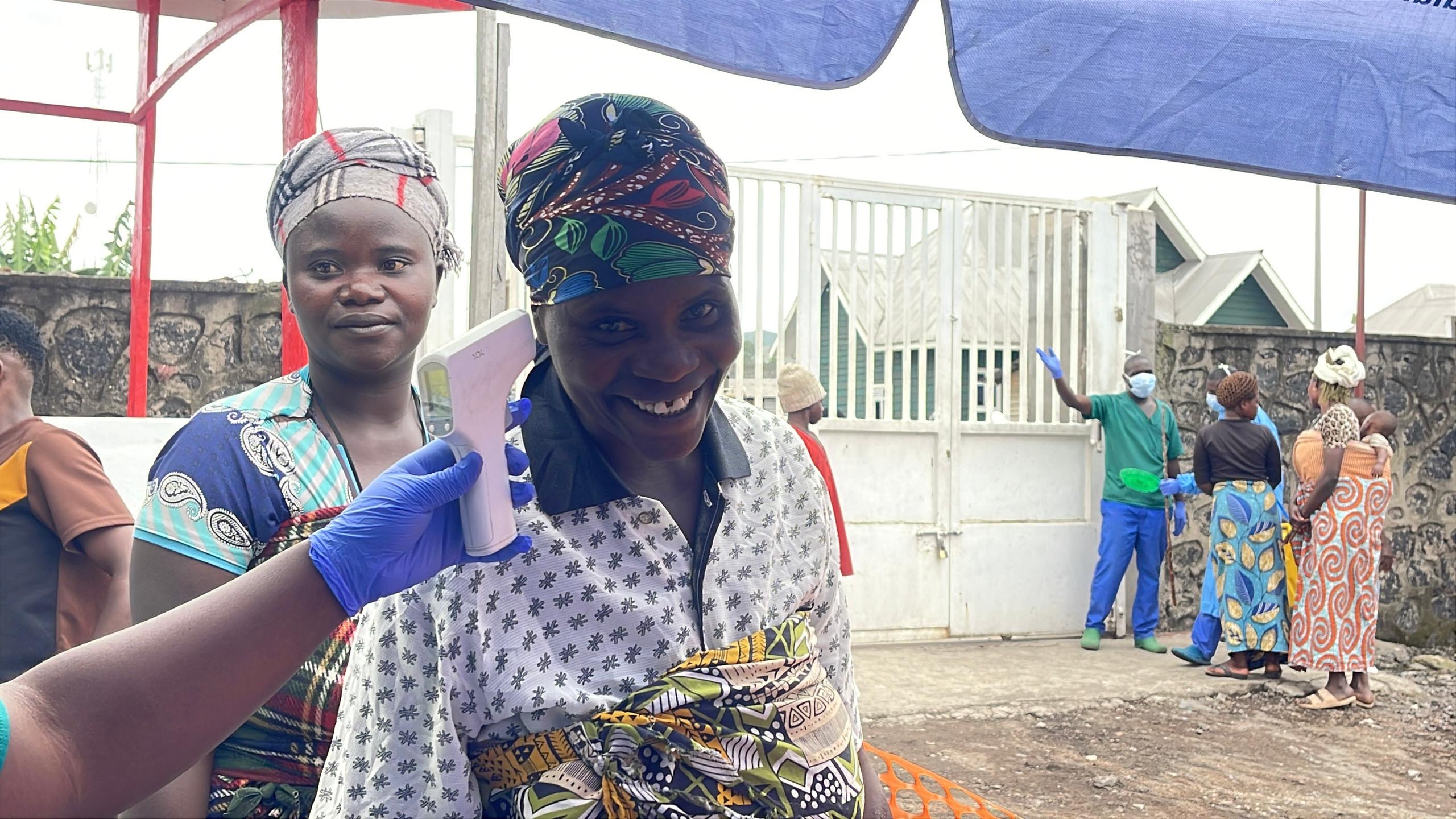
Goma, July 18, 2026 — As Congolese authorities intensify their efforts to contain the new Ebola outbreak, the response is facing a major obstacle : the ongoing strike by healthcare workers. In the health zones of Butembo and Beni, in eastern Democratic Republic of Congo (DRC), as well as in Kisangani, in the northeast of the country, doctors, nurses, laboratory technicians, and community health workers are still refusing to return to work. They are demanding payment of their salaries and risk allowances, a situation that is further jeopardizing efforts to stem the spread of the virus.
In the health zones of Butembo and Beni, in eastern DRC, as well as in Kisangani, in the northeast of the country, the structures involved in the fight against Ebola continue to operate at a reduced capacity. For several days, healthcare professionals have been on an indefinite strike, protesting the non-payment of their salaries and the promised risk bonuses, which they claim are being withheld in retaliation.
Doctors, nurses, laboratory technicians, community health workers, and support staff say they will maintain their mobilization despite the impact on healthcare services. According to several strikers, they will not return to work until their demands are met.
“We can no longer risk our lives without being paid. We will return to work when the government pays our salaries and risk bonuses,” several doctors involved in the strike stated.
Healthcare unions believe the promises made so far are no longer sufficient. They are demanding the payment of salaries before any suspension of the strike.
A deeply indignant reaction
This ongoing strike comes as health authorities continue their epidemiological surveillance, contact tracing, targeted vaccination, and patient care operations.
In several health centers, non-urgent consultations remain disrupted. Some community surveillance teams are operating with reduced staff, while several outreach activities have been suspended or significantly slowed.
For public health professionals, every interruption in the surveillance chain increases the risk of the virus spreading. In the face of Ebola, every minute counts : quickly detecting a suspected case, collecting samples, confirming the diagnosis, isolating the patient, and identifying all those who have been in contact with them. The absence of some field teams slows down these essential operations and facilitates the spread of the virus within communities.
Healthcare workers remain steadfast
Representatives of the strikers assert that the movement will not end until full payment of salaries and risk allowances is received.
They emphasize that the staff mobilized to care for patients and the sick are essential to the continuity of care. Response teams work daily in particularly dangerous conditions, often in direct contact with people infected with the virus. According to them, risk bonuses represent a commitment by the State that can no longer be systematically justified.
The doctors also point out that several of their colleagues lost their lives during previous Ebola outbreaks in the Democratic Republic of Congo. For them, honoring these sacrifices is also about honoring the commitments made to the frontline teams.
The government faces a dual challenge
Congolese authorities must now address a dual emergency : effectively continuing the fight against Ebola while simultaneously defusing a social crisis that threatens the health system.
With the support of the World Health Organization (WHO) and other international partners, essential activities are continuing in treatment centers and laboratories. However, partners emphasize that the success of the response depends primarily on the commitment of national human resources.
Without doctors, nurses, laboratory technicians, and community health workers, it becomes difficult to effectively ensure epidemiological surveillance, contact tracing, public awareness campaigns, and the rapid treatment of patients.
A crisis raising serious concerns
While health authorities are working to prevent the virus from spreading to other provinces, the continuation of this strike poses an additional threat to a response already facing numerous security and logistical challenges.
Determined to continue their strike, healthcare professionals assert that they will not resume their activities until their salaries and risk allowances are paid.
While awaiting a resolution to the negotiations, the fight against Ebola remains severely hampered. Between the health emergency, social tensions, and security constraints in eastern DRC, Congolese authorities are engaged in a veritable race against time to prevent this crisis from further compromising efforts to control the epidemic.
You might also like
Bujumbura : mass arrests among the Banyamulenge, the circle widens around Pastor Jalos Nkunda Kilaya
SOS Médias Burundi Bujumbura, September 17, 2026—Following the arrest of several religious leaders from the Banyamulenge community in Bujumbura, the circle of those detained has widened around Pastor Jalos Nkunda
Makamba : the morgue of the provincial hospital has been down for almost a year
According to bereaved families and staff at the Makamba hospital (southern Burundi), the morgue at the provincial hospital has been out of order for almost a year. Some families lament

Goma : FARDC accuses M23 of serious human rights violations, which the rebel group denies
The Congolese army accused the M23 on Wednesday of using civilians as human shields in the fighting between this rebel group and the FARDC (Armed Forces of the Democratic Republic