
Nduta (Tanzania): a tomb demolished by the administration for the simple reason that it is built of cement
The demolished grave was holding the remainings of a Burundian refugee, buried in the cemetery of zone 9 in Nduta camp. The camp’s top official was supervising. INFO SOS Médias Burundi
At the Nduta camp in Tanzania, the incident has much been discussed in all gatherings and public places. The tomb has been “desecrated” at the instigation of the camp administration.
“A pregnant mother died, again due to the negligence of nurses. Then, her middle-class family at the camp buried her in a grave made of bricks and cement. The grave then seemed different from others in the cemetery of zone 9, ”explain neighbors of the deceased.
“The funeral ceremonies and other mourning rituals followed and a symbol of mourning was made for the household of the deceased in village 8 of zone 7”, they add.
Three weeks later, the camp administration gave the order to destroy the grave.
“We approached UNHCR, humanitarians and community leaders to ask for explanations. UNHCR responded that the camp president has ordered that all graves should be identical, no cement, no tiles or bricks,” those close to the file said.
On the day that civilian guards known as “Sungusungu” were going to enforce the order, the family was alerted and objected.
“After long and fruitless discussions, the family ended up doing it themselves, against their own will,” report witnesses.
“Desecration and intimidation”…
Burundian refugees condemn this act.
“We have nothing to say. It is terrible, against our culture and our mores. Imagine the harassment that is even done to the grave. It is a pure and simple desecration of the grave”, explain refugees who affirm that they did not believe the information, until going to the cemetery to take note of the incident which they qualify as “despicable, criminals, inhumans”. The family had been intimidated with orders not to reveal anything, say neighbors of the deceased.
“Desecrating a grave is more than a degradation, an attack on the person and sooner or later it will have to psychologically affect the bereaved family”, say Burundian refugees who call on the Tanzanian authorities to condemn this act.
Nduta camp has more than 76,000 Burundian refugees.
You might also like
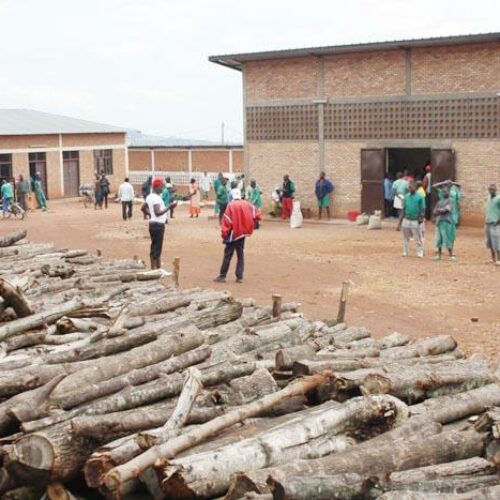
Ngozi: uhaba wa chakula kwenye gereza kuu
wafungwa katika gereza kuu la Ngozi (kaskazini mwa Burundi) wanasema kuwa wanateseka kutokana na ukosefu wa chakula. Walioathirika zaidi ni wale wanaotoka katika mikoa ya Kirundo na Kayanza (kanda hiyo
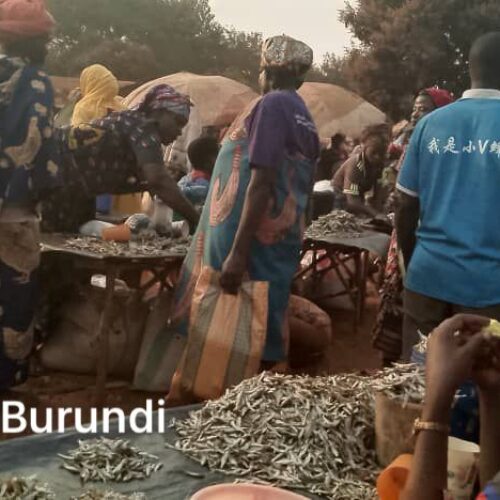
Nyarugusu (Tanzania): closing of the last small market in the camp
The only small and last market remaining in the Burundian refugee area was temporarily closed, which is seen by refugees as yet another way of pushing them into forced repatriation.
: a tomb demolished by the administration for the simple reason that it is built of cement)
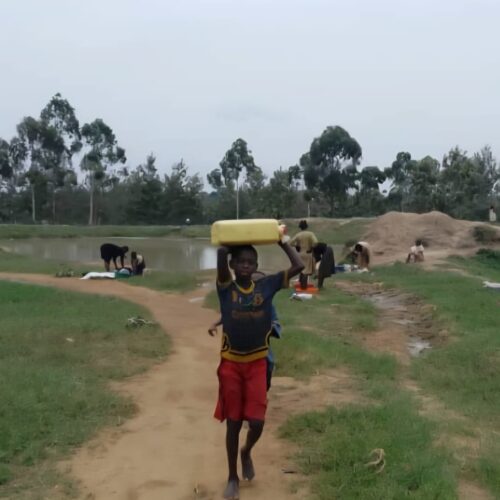
Crisis in Nakivale : refugees forced to drink water from dry lakes and wells for three months
SOS Médias Burundi Nakivale, Uganda, March 9, 2026 – All the taps in the Nakivale camp have been dry for nearly three months, leaving more than 150,000 refugees, including over