
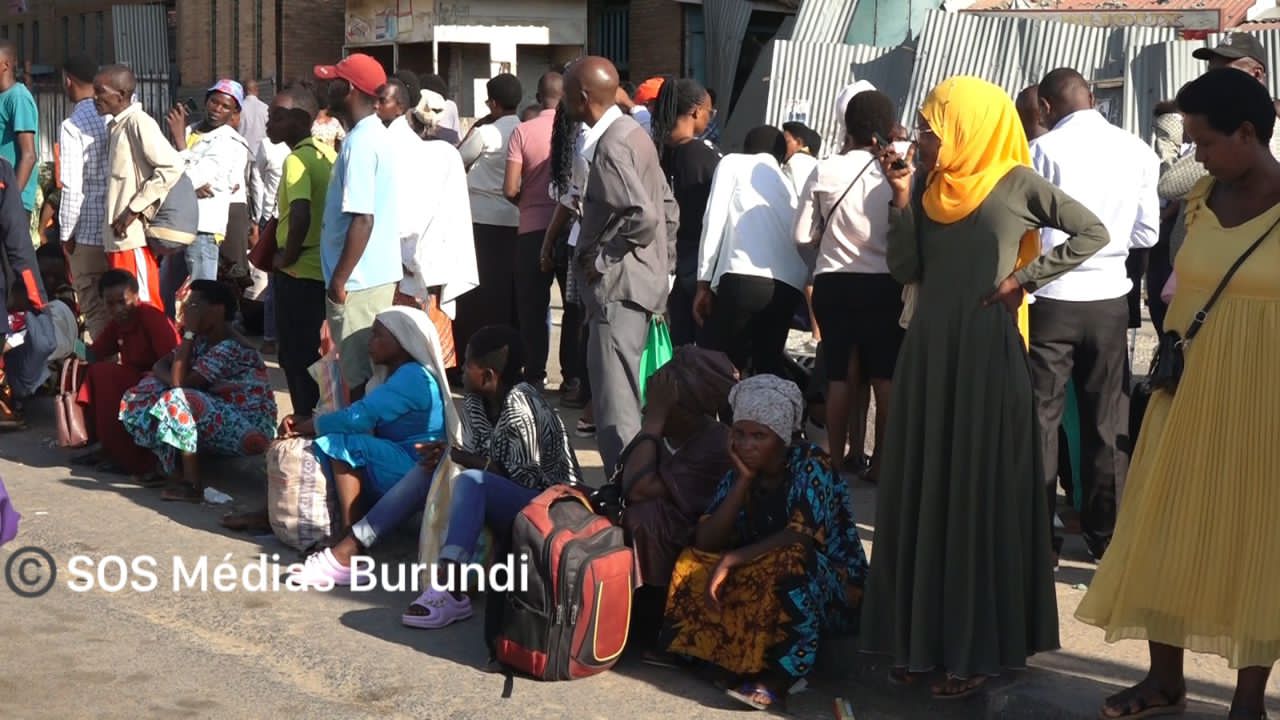
Bujumbura: walking as an alternative to the lack of public transport vehicles
This has become the daily experience of city dwellers for almost two weeks of intense fuel shortage. The bus parking lots are almost deserted. Very early in the morning, the streets of the economic capital fill with people going about their daily activities. The whole families: parents and students have now got into the habit of preparing for everyday walks in the morning and in the evening. The situation is deteriorating and the population is losing any glimmer of hope despite the head of state’s promise last year that he would take charge of fuel management to compensate for recurring shortages. INFO SOS Médias Burundi
Those waiting for buses in neighborhoods leave their homes before daybreak to queue at bus stops, according to witnesses.
“It’s been more than a week that me and my children have barely slept. We have to wake up very early in the morning so as not to miss the bus. We live very far from the city center and the children cannot walk there at school when we are still very young there too we have to fight to get three places on a transport bus”, a parent from the Carama district to the north of the commercial city Bujumbura told us.
He says people are no longer afraid of the dark because “we walk in groups and cheer ourselves up a little.”
Residents of the south of the city contacted by SOS Médias Burundi affirm that “soon, we will no longer remember that one day we had to travel in vehicles. It is so anchored in our heads that there is no other way out. I know I leave the house on foot to do the same thing in the evening,” they say.
Delays and absences from service tolerated
According to our sources, lateness to service and class are no longer considered reprehensible misconduct. Everyone always has a reason to give: no fuel or no bus. This is the answer that comes up often, without forgetting that there are some who are absent the next day because they are exhausted following the great efforts made the day before.
Bus parking lots in the city center are almost empty. At 8 a.m., city dwellers line up in the hope of seeing a bus appear.
“What hurts the most is that drivers are currently charging more than the transport ticket set by the government. Or, they are transporting more passengers than expected, or even double. It’s take it or leave it “, regrets a young lady met at a bus parking lot going to the south of the economic capital.
On the black market, a liter of gasoline can be bought for up to twenty thousand Burundian francs, whereas it should not cost more than four thousand francs.
“He who finds himself in need obtains it without thinking too much. Where are we going? What will become of us?”, they ask, without answer.
You might also like
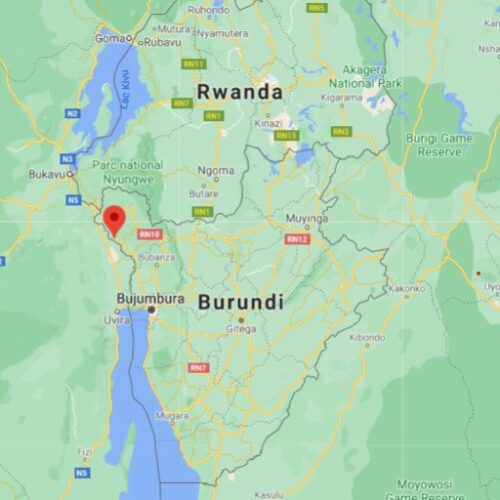
Rugombo: three bodies found in less than a week
The resurgence of murder cases on the hills of the commune of Rugombo, in the province of Cibitoke (north-west of Burundi) spark worries among the population. Three bodies were found
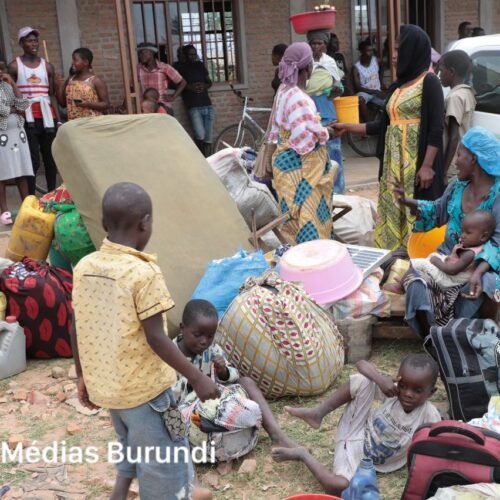
Bujumbura : children displaced following floods take the national test in difficult conditions
From June 4 to 6, 2024, the national test takes place in Burundi for 9th grade pupils. The 2023-2024 edition takes place in 907 centers. A Mubimbi center in the
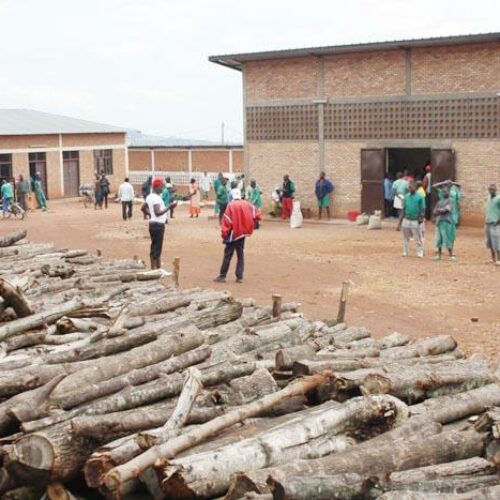

Ngozi: uhaba wa chakula kwenye gereza kuu
wafungwa katika gereza kuu la Ngozi (kaskazini mwa Burundi) wanasema kuwa wanateseka kutokana na ukosefu wa chakula. Walioathirika zaidi ni wale wanaotoka katika mikoa ya Kirundo na Kayanza (kanda hiyo