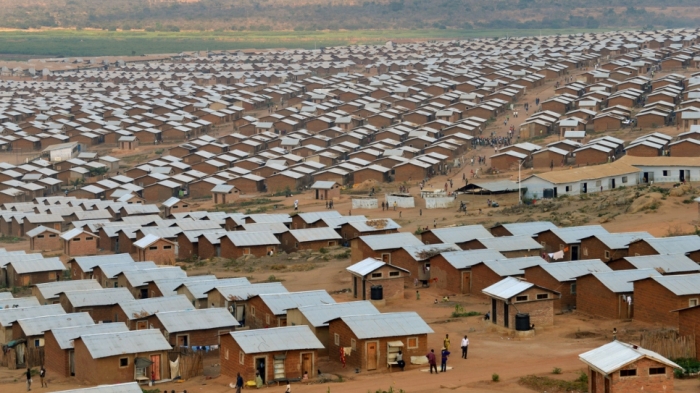
Mahama (Rwanda) : the assistance to refugees is becoming more and more problematic
The UNHCR has made changes to the fuel gas distribution system for refugees in the Mahama camp in Rwanda. This assistance has been cut in half. The refugees cry out for an attempt at forced repatriation. INFO SOS Médias Burundi
On Monday, at the Mahama camp in eastern Rwanda, was the fuel gas distribution day, but more than half of those who were supposed to be served returned empty-handed.
Changes that penalize refugees
First among refugees in the first social category known as the most vulnerable, a 6 kg gas bottle which should last two weeks will have to be used for three weeks, therefore “a reduction of 20% according to UNHCR calculations” , explain UNHCR agents.
For refugees in the second social category known as the least vulnerable, the bottle which should last two weeks must be used for a month. “This means that in a month we will be supplied with gas once whereas before, we were supplied twice a month,” explains a refugee.
And for refugees from the third social class called “non-vulnerable” who are generally people who work in different projects in the camp, they will no longer have fuel gas.
Added to this are considerable delays which are often observed for the distribution of combustible gases.
“I have a family of 8 members, so the gas I got last month was gone before the end of April. So, I went to the counter and was told that I still have to wait 13 days. So, that’s a 6 kg gas cylinder for one month, which is practically impossible,” says Melchior* (not his real name), a Burundian refugee and father, speaking to SOS Médias Burundi.
Same story for his compatriot Felix* (assumed name).
“In other words, we are out of fuel here at the camp, which is unfortunately and ironically explainable because they even reduced the quantity of food per person. So, they do it knowingly because they know we have nothing to cook!“, he suggests, describing the situation as “suicide and untenable”.
These refugees still regret that alongside the reduction in power and gas, the quantity of water is also severely regulated on public taps.
“Normally, a person has to collect 18 liters of water per day and they multiply by the size of the family. So, they announced that they were going to reduce this quantity and also review the tap opening schedule. We are in desolation,” they say.
All these changes have resulted in an increase in prices on the market where the prices of certain products such as charcoal, rice and tubers have doubled or even tripled, making life even more difficult.
Refugees suspect a hidden agenda
“It’s no longer a secret, they want to force us to return home perhaps because life is becoming more and more untenable. This is another disguised form of repatriating us by force. We see it bitterly, they no longer want us but are doing it maliciously,” they agree.
They ask for this situation to end and for them to be well taken care of while waiting for the situation to return to normal at home, especially the Burundians, so that they can return voluntarily.
The Mahama camp hosts more than 63,000 refugees, including more than 40,000 Burundians, the rest being Congolese.
You might also like
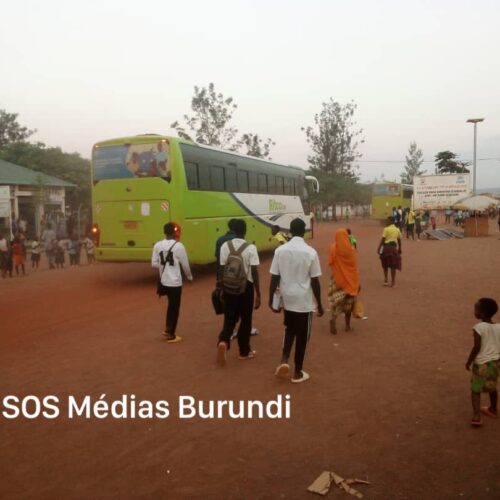
Mahama (Rwanda) : More than 2,000 new Congolese refugees welcomed
The Mahama camp welcomed more than 2,000 new Congolese refugees from the Nkamira transit camp on Tuesday. They are all Rwandophones and come from from the eastern part of Congo.
Mahama (Rwanda): the health component entrusted to “Save the children”
Since 2015, the health component has been managed by two NGOs : Save the children and Alight. But the latter has just been removed from the list. The UNHCR explains
 : the assistance to refugees is becoming more and more problematic)
Nakivale (Uganda): resurgence of banditry
Cases of theft of food, clothing and cooking utensils (…) are increasing in the Nakivale camp, raising fear that a gang of thieves is being formed. Refugees call for help.