South Kivu : Burundian Tutsi refugees targeted by ethnic hatred and authorities’ inaction
SOS Médias Burundi
In the Mulongwe and Lusenda camps in South Kivu, eastern Congo, thousands of Burundian Tutsi refugees live under constant threat. Discrimination, violence, and deprivation : they accuse armed groups and Congolese authorities of abandoning them to a climate of hatred similar to that experienced by the Banyamulenge in the Hauts Plateaux.
Wrongly accused of being linked to armed groups such as the M23 or Red Tabara, these refugees say they live in fear. Unlike other refugees—particularly Hutus—they say they no longer have access to markets, fields, or even fishing.
“When we go to crop fields, the Wazalendo (members of local militias supported by Congolese authorities) attack us, insult us, and call us Rwandans or rebels. We remain locked up,” says a refugee from the Mulongwe camp.
This ethnic stigma further isolates them in an already extremely tense security context.
Absent humanitarian aid, blatant inequalities
For five months, no food aid has been distributed. While some refugees manage to survive by working outside the country, Tutsis are targeted. In Katanga, a young Tutsi refugee was arrested and tortured for traveling without a permit. He was released after the intervention of members of his community.
Meanwhile, other refugees continue their activities unhindered, some claiming to be “protected” by the Wazalendo.
The indifference of Congolese authorities
The presence of Burundian troops in Baraka and Mushimbaki does not appear to be improving the situation. The abuses reported—assaults, kidnappings, murders—remain unanswered by Congolese authorities. The National Commission for Refugees (CNR), the FARDC (Armed Forces of the Democratic Republic of Congo), the police, and local officials remain silent.
A long-studied hatred also targets the Banyamulenge
The stigmatization of Tutsis in the DRC is nothing new. For years, the Banyamulenge, a Congolese community of Tutsi origin, have been the target of violence in the Hauts Plateaux. Their villages are attacked, their cattle stolen, and their leaders killed. The rhetoric equating them with “Rwandan foreigners” reinforces their marginalization, despite their Congolese citizenship.
There are reports of crimes that may amount to an attempt at ethnic cleansing. And yet, the authorities remain inactive.
An ignored call
Today, in Mulongwe as in Lusenda, Burundian Tutsi refugees are making an urgent appeal for protection. But this cry remains unheard. They live in fear, forgotten by all.
According to the United Nations High Commissioner for Refugees (UNHCR), the Democratic Republic of Congo is home to approximately 47,000 Burundian refugees, mainly in the Lusenda and Mulongwe camps in South Kivu.
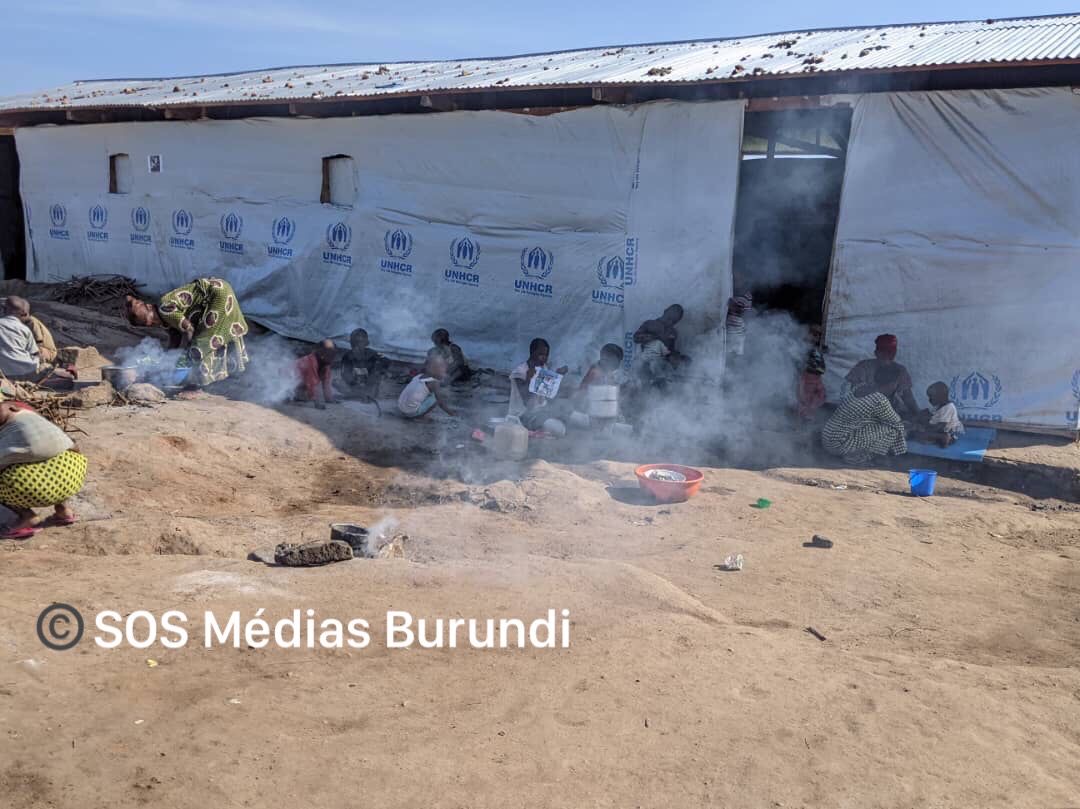
Our photo : Women and their children in front of a hangar hosting new refugees at the Mulongwe camp in eastern Congo (SOS Médias Burundi)
You might also like
North Kivu: resumption of fighting in Masisi and Rutshuru territories after elections
Violent clashes between local militias and M23 rebels have been reported since Sunday, December 24 in Karuba, a town in the groupment of the same name in the Bahunde chiefdom,
Five Wazalendo killed, three civilians wounded : a hippopotamus at the center of a clash in Nyamitanga
SOS Médias Burundi Nyamitanga, September 12, 2026—A hippopotamus shot in the Rusizi River, on the border between Burundi and the Democratic Republic of the Congo (DRC), lies at the heart

DR Congo : M23 rebels have seized Goma
The city of Goma fell into the hands of the M23 rebels on Monday, January 27. Kenyan President William Ruto, who heads the East African Community economic bloc, called an