
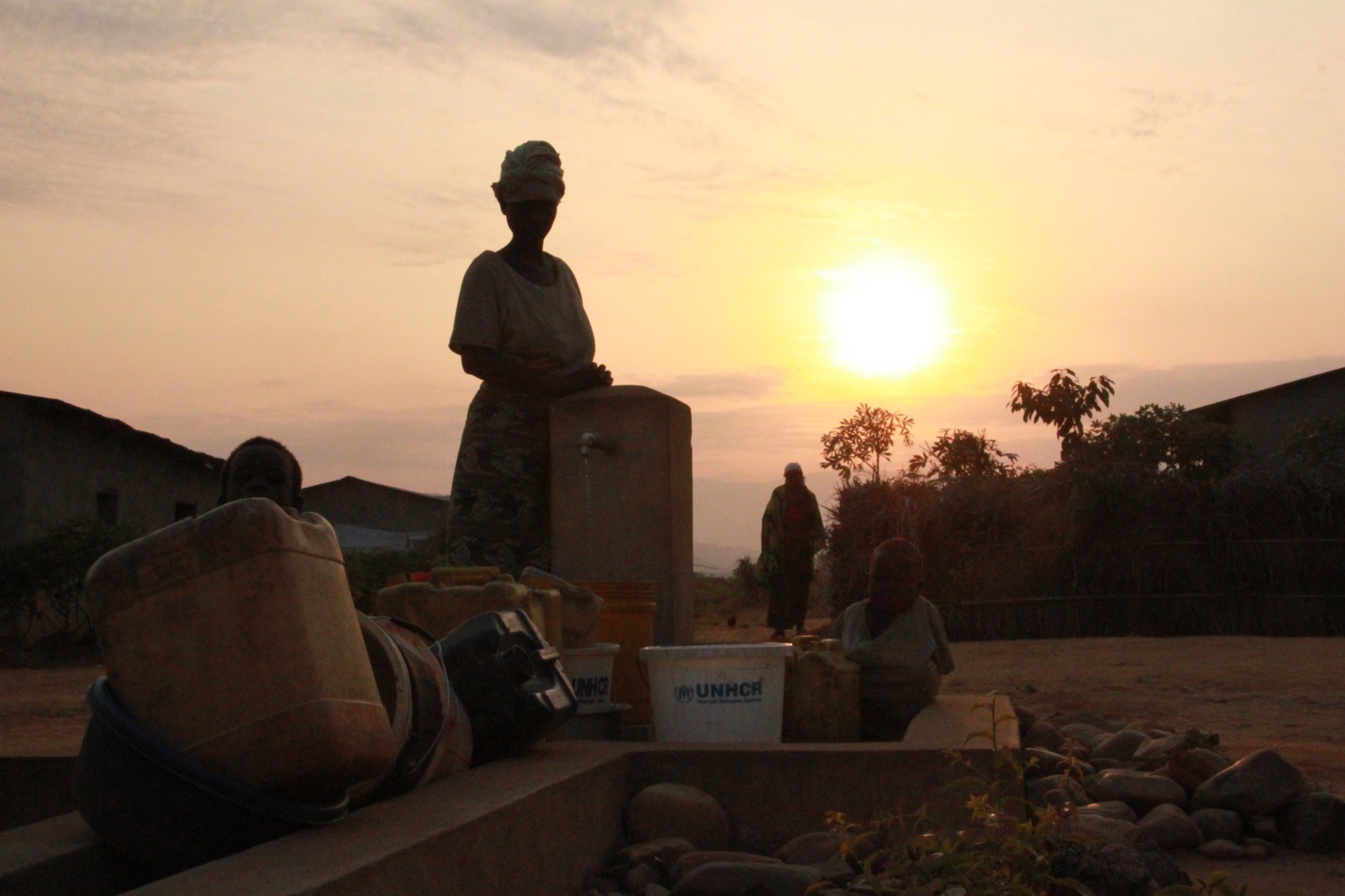
Burundi : a demographic bomb in a country with a fragile economy
SOS Médias Burundi
Bujumbura, July 15, 2025 – The small east African nation is facing unprecedented population growth. Having grown from 8.5 million inhabitants in 2008 to over 13 million today, Burundi’s population continues to grow, putting a strain on a country already facing a chronic economic crisis. The latest general census in 2024, as well as recent data from the United Nations Population Fund (UNFPA), paint an alarming picture.
Burundi currently has approximately 485 inhabitants per km², making it one of the most densely populated countries in the world. This is a worrying situation in a territory measuring only 27,834 km². Every year, more than 300,000 people are added to the population.
“Development is not keeping pace with the population growth. It is therefore urgent to consider a new demographic policy,” warns professor and demographer Évariste Ngayimpenda.
A young country, too young?
The 2024 General Census of Population, Habitat, Agriculture, and Livestock reveals that more than half of Burundians are under 18 years old.
Key data :
16.7% are under 5 years of age (2,041,650 children)
13.5% are between 10 and 14 years of age (1,648,455 young people)
10.9% are between 15 and 19 years of age (1,336,091 young people)
This abundant youth population could be a source of wealth. But in a country where the economy is failing, it is becoming a colossal challenge. The education, health, and employment systems are already stretched thin.
A youth without prospects
The census was conducted in a context of worsening economic crisis :
Continued devaluation of the Burundi franc,
Endemic unemployment, especially among young graduates,
Steeply rising prices for basic necessities,
Unequal access to basic services across regions.
In rural areas, many children do not complete primary school. In cities, graduates wander unemployed, trapped in a saturated labor market.
“The country produces thousands of young people ready to work every year, but the economy is not keeping up. The gap between aspirations and reality continues to widen,” laments an economist based in Bujumbura, the country’s commercial capital.
Sexual health and ignorance : a vicious circle
The lack of sex education remains an aggravating factor. Professor Ngayimpenda points out that four out of five women do not know when their fertile period is. The result : unwanted pregnancies that perpetuate the cycle of poverty, harm the health of mothers, and further increase pressure on families and infrastructure.
And tomorrow? A double threat : population explosion and aging.
If no major action is taken, Burundi’s population could :
Exceed 14 million by 2030,
Reach more than 16 million by 2035.
And paradoxically, with increasing life expectancy and a possible decline in the birth rate, the country will also age. This means a dual burden ahead : meeting the needs of a massive youth population today and those of an aging adult population tomorrow.
An urgent call to action
Faced with this situation, experts are calling for urgent public policy reform. This includes :
Sex education and family planning,
Women’s empowerment,
Massive investment in education, health, modern agriculture, and youth entrepreneurship,
A strategic vision for urban and rural development.
Burundi is at a crossroads. Its soaring demographics are either a ticking time bomb or a formidable lever for development, depending on the political choices made in the coming years.
If we fail to anticipate, the country risks seeing the emergence of a sacrificed, frustrated generation with no future, and a potential source of instability. But with willpower, targeted investments, and a true vision, these young people can become the driving force behind a fairer, stronger, and more sustainable Burundi.
You might also like
Burundi : where did the $908 million worth of minerals exported to the Emirates go?
SOS Médias Burundi Bujumbura, July 17, 2025 — Between 2013 and 2023, the United Arab Emirates imported $1.3 billion worth of minerals from Burundi. Yet, according to consolidated figures from
Women’s Rights Day – Burundi : celebration or commemoration?
Every year, March 8 marks the International Women’s Rights Day. Celebrated since 1910 under various themes, it aims to highlight the fight for gender equality and women’s rights. However, in

Ndayishimiye and the CNDD-FDD impose their order and intimidation in Gitega
SOS Médias Burundi Gitega, August 30, 2025 – In a locked-down capital under heavy security, the Burundian government celebrated the 9th Imbonerakure Day, coupled with the CNDD-FDD’s 20th anniversary of