
Buhumuza : hygiene and cooking in crisis in the Congolese refugee camp
SOS Médias Burundi
Buhumuza, October 2 – For nearly three months, refugees in the Kinama camp have been facing a persistent shortage of soap, an essential product for daily hygiene. This situation stems from the cessation of activities of the Lamuka cooperative, previously funded by the UNHCR and managed by young refugees from the neighboring Musasa camp. With the gradual reduction of humanitarian aid, the cooperative has ceased production due to lack of funding.
Before this crisis, Lamuka produced up to 66,000 bars of soap per month, distributed to refugees in the Kinama and Musasa camps. Each person received four bars of soap per month.
Elisabeth, a refugee from the Kinama camp, expresses her distress :
“Without soap, it’s difficult to maintain my family’s hygiene, especially with children. Today, a bar of soap costs 1,000 BIF on the market. It’s become a luxury. We use at least three bars of soap a day, while the assistance we receive doesn’t even cover four days of needs. We no longer know how to stay clean.”
A crisis that also affects cooking
The shortage also affects cooking briquettes. Normally, each refugee received 10 kg of briquettes per month. In September, only the elderly, sick, or disabled were able to receive a small quantity. The rest of the population has to make do, in a context of soaring charcoal prices.
Margaret, another refugee, testifies :
“Charcoal has become too expensive. A bag costs between 30,000 and 50,000 BIF. For us, who depend solely on WFP food assistance, it’s a headache. And if you dare leave the camp to look for wood on a state-owned plot or from a Burundian, you risk a fine. We ask the UNHCR to distribute briquettes to all refugees, not just some.”
The UNHCR call for intervention
Under the condition of anonymity, a member of the refugee representative committee in a camp in the north of the country warned :
“This situation is jeopardizing public health. Without soap or cooking utensils, families are living in very difficult conditions. We ask the UNHCR to find new donors to resume regular distributions of soap and briquettes.”
The UNHCR, through its agency of Muyinga office, recently informed the refugees that it has raised these concerns with the national office in Bujumbura. Solutions could be found in the coming days.
In a context where hygiene is crucial to prevent communicable diseases, especially in densely populated areas such as refugee camps, this situation represents a humanitarian emergency.
The Kinama camp is home to more than 8,000 refugees. Burundi has more than 100,000 Congolese refugees, mainly from South Kivu province in eastern Congo.
You might also like
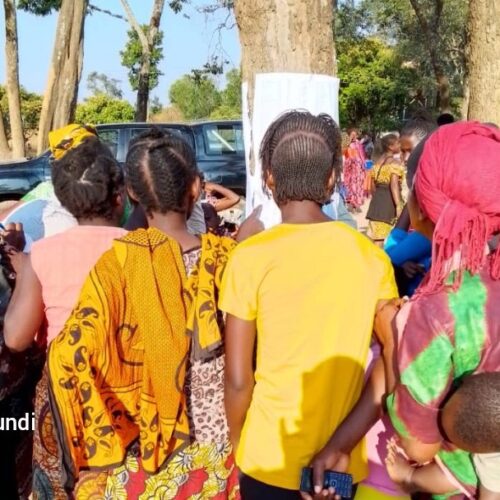
Meheba (Zambia) : a new official gives hope to refugees
SOS Médias Burundi Meheba, November 9, 2025 – The Zambian Ministry of the Interior has appointed a new official to manage the Meheba camp. Her first meeting with refugees’ leaders
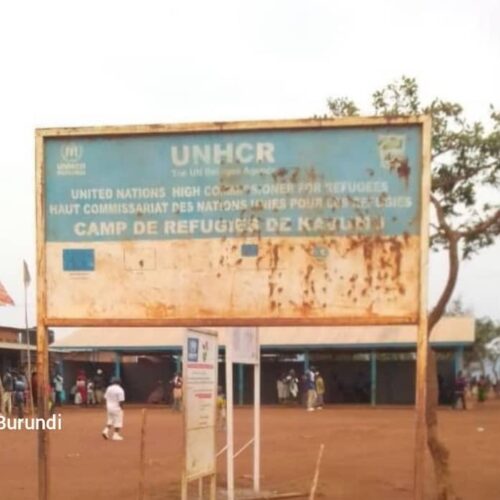
Kavumu (Cankuzo) : Congolese refugees deprived of essential medical care in Burundi’s largest camp
SOS Médias Burundi Cankuzo, September 15, 2025 – Kavumu camp, located in the Cankuzo region of Buhumuza province in eastern Burundi, hosts more than 20,000 Congolese refugees and is the
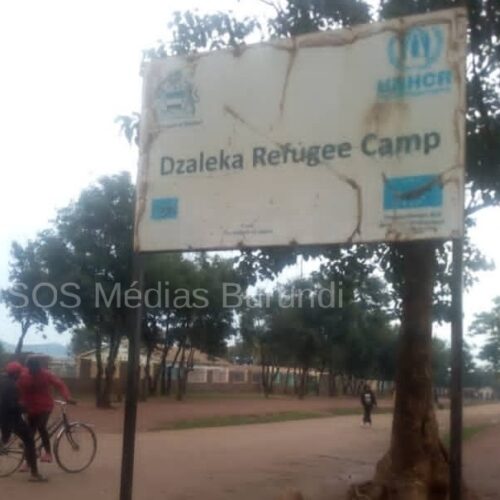

Dzaleka camp : Malawi inventories precarious housing, refugees skeptical
SOS Médias Burundi | Dzaleka, July 3, 2025 – A census of houses in poor condition began on Tuesday at the Dzaleka refugee camp in Malawi. The initiative, jointly led