Nationwide shortage of gauze and gauze rolls : Burundian hospitals in difficulty
SOS Médias Burundi
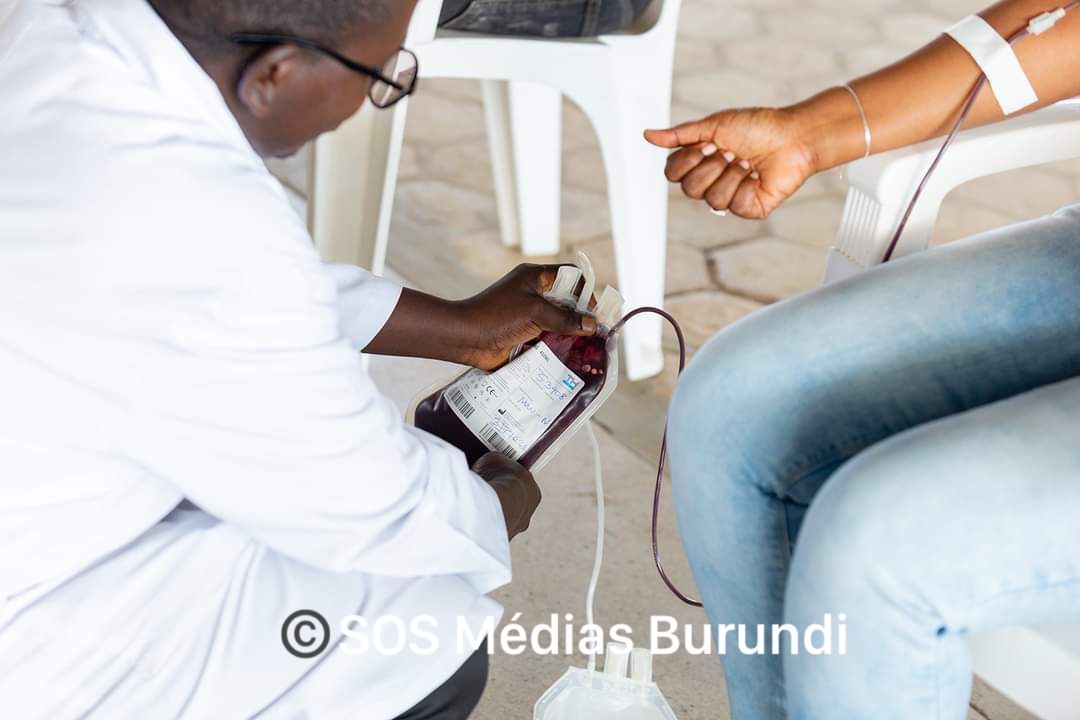
Bujumbura, November 4, 2025 – Since the second week of October, the small east African nation has been facing a nationwide shortage of gauze rolls and medical gauze, essential products used daily by healthcare agents to clean and dress wounds.
According to several health sources, this shortage is affecting the entire country and paralyzing many hospital services.
CAMEBU runs out of stock
Health authorities confirm that the Central Purchasing Agency for Essential Medicines in Burundi (CAMEBU) has run out of gauze.
This agency, responsible for supplying the country’s public and private hospitals, has been unable to deliver to facilities for several weeks.
Black market booms
Faced with this shortage, some hospitals are turning to alternative solutions. Several hospital managers say they are buying gauze rolls on the black market or from private pharmacies, but at exorbitant prices.
“We are buying a roll of gauze for between 150,000 and 200,000 Burundi francs (Bif) from private pharmacies, while at CAMEBU or from wholesalers, the same product costs less than 50,000 Bif,” says an official from the Buhumuza health province in eastern Burundi.
Patients, the first victims
This situation has direct repercussions for patients, who are often forced to procure the necessary supplies for their treatment themselves.
“I was forced to go to the pharmacies to get bandages so my child could be treated,” laments a young mother from Butanyerera province in the north of the country.
In maternity wards, the situation is particularly critical. Cesarean sections, which require a large quantity of gauze, are sometimes delayed.
“We sometimes postpone operations while we try to find rolls of gauze,” explains a general practitioner in Muyinga, in the northeast.
A mother from a neighborhood in the north of the commercial capital, Bujumbura, also testifies, exasperated :
“I took my child to get a vaccination, but I had to pay for the gauze myself. It’s shameful what we’re experiencing here.”
An urgent appeal to the Ministry of Health
Faced with this crisis, healthcare professionals are issuing an urgent appeal to the Ministry of Public Health and the Fight Against AIDS to find a swift solution.
They emphasize that these products are essential, not only for wound treatment but also for the safety of surgical procedures.
Multiple causes
According to several medical sources, this shortage is linked to import delays and supply difficulties with foreign providers. CAMEBU (the Central Medical Supply Center of Burundi) relies heavily on imports for these products, the ordering of which requires scarce foreign currencies.
Some stakeholders in the sector also point to the centralized and slow management of public procurement, which often delays the distribution of medical equipment to the provinces.
This situation, they say, “reveals the fragility of the healthcare supply system” in the country.
A major health risk
Public health experts warn that if the situation persists, it could lead to “an increase in post-operative infections and a decline in the quality of care in hospitals.”
A doctor in Bujumbura sums up the general concern :
“Without compresses or gauze, even the simplest medical procedures become risky. The entire healthcare system is at risk.”
You might also like

Burundi: in vitro fertilization, a subject of controversy among certain couples of believers
Extracorporeal fertilization is not unanimous among certain believers in Burundi for whom the work of procreation must remain exclusively reserved “to the Creator”. INFO SOS Médias Burundi A woman from
Rumonge : increased vigilance amid Ebola risk in the Great Lakes Region
SOS Médias Burundi Rumonge, May 22, 2026 – The resurgence of Ebola virus disease in eastern Democratic Republic of Congo (DRC) is reviving health concerns in the Great Lakes region,

Rumonge : a young boy held in hospital for inability to pay his bill
Jean Marie Nibigira (15 years old) has been held at Rumonge hospital (southwest Burundi) since April 2024. The hospital demands that he pay a bill for the care he received