

Drinking water shortage in Carama : residents fear health risks
SOS Médias Burundi
Bujumbura, March 23, 2026— In the Carama I and II neighborhoods, located in the Ntahangwa district, north of Burundi’s commercial capital, Bujumbura, the drinking water shortage has persisted for several years and is causing serious health concerns. Residents fear the spread of diseases linked to poor hygiene, including cholera, if the situation is not resolved quickly.
For more than three years, the people of this area have depended on an irregular supply of drinking water provided by the sole state-owned water and electricity company, Regideso. According to several residents contacted on Friday, March 21, 2026, the situation is known to the relevant authorities, but no lasting solution has yet been found.
Residents describe daily queues around the few remaining functioning public taps, while household water sources have been dry for several years. This situation severely disrupts daily activities, including meal preparation and laundry.
Beyond these domestic inconveniences, residents are raising concerns about increased health risks. The lack of drinking water facilitates the spread of diseases transmitted through poor hygiene, particularly cholera. In some homes, toilets become unusable due to the lack of water for waste disposal.
A resident of Carama, speaking on condition of anonymity, expressed particular outrage at the repeated promises from Regideso officials, who regularly announce improvements to the water supply without any tangible results.
The situation in Carama is not an isolated case. Several other neighborhoods face similar shortages, not only in Bujumbura, but also in other cities and regions of the country. Regideso officials often attribute these difficulties to the rapid expansion of cities and the increasing number of customers, a justification that does little to reassure users.
Urgent users instead denounce poor planning, a lack of funding, and what they consider unfair management. Some neighborhoods are given priority for water service while others, despite being on official waiting lists, continue to suffer prolonged outages.
You might also like
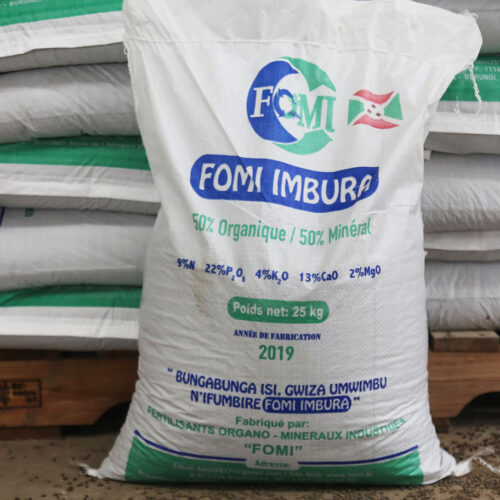
Burundi: the company FOMI is still struggling to produce sufficient chemical fertilizers
Farmers from different localities in Burundi are grumbling as they don’t have enough chemical fertilizers for cropping season A. Worse still, the company FOMI (organal-mineral fertilizers) in charge of the

Burundi : users of the Ecocash system in disarray
The Burundi Revenue Authority (OBR) seized accounts of the Econet Wireless Burundi mobile phone company. Users of its Ecocash money transfer system can no longer withdraw their money. Super agents,


Fuel crisis : towards the resignation of the Burundian population?
Lamentations no longer have a place among the Burundian population. No solution is possible to deal with the ongoing lack of fuel. In the commercial city Bujumbura where United Nations