
Meheba (Zambia) : 90% of “non-essential” workers suspended, humanitarian services under pressure
SOS Médias Burundi
Meheba, March 23, 2026—The suspension of contracts for several humanitarian workers in the Meheba refugee camp in Zambia is causing serious concern. The United Nations High Commissioner for Refugees (UNHCR) cites budget constraints for 2026, a decision that directly impacts the quality of services offered to refugees.
Contracts suspended due to lack of funding
The measure affects approximately 90% of the staff classified as “non-essential” by the UNHCR. Those affected include night watchmen, interpreters (including those in health facilities), community outreach workers specializing in combating gender-based violence (GBV), medical volunteers, and some drivers.
Those affected received letters of temporary suspension citing a lack of funding.
“We haven’t yet received the requested budget for 2026, even though the first quarter is drawing to a close. We no longer have the resources to cover the salaries of all these staff members, which is why they have to stop working until further notice,” explained a UNHCR agent who notified them of the decision.
According to several accounts, the situation had already been unstable for several weeks. “We haven’t been paid since January,” some workers confided, saying they saw this suspension coming.
“We were already feeling like we’d been dismissed, because not being paid means being forgotten. But we’re asking for at least our salaries; otherwise, we understand they won’t need us anymore,” testified a Burundian security guard.
The workers specified that the measure affects both refugees and Zambian nationals, without any apparent discrimination, according to them.
Refugees, the main victims
Beyond the suspended workers, it is primarily the refugees in the Meheba camp who are bearing the direct brunt of this staff reduction.
Waiting lines are growing longer at health facilities. The lack of drivers is complicating the transfer of urgent cases. Awareness-raising activities, particularly on gender-based violence, have also been severely curtailed.
“Even though some were working with limited resources, their presence was essential. Today, we are seeing long lines at clinics and difficulties in evacuating emergencies. We also fear an increase in cases of gender-based violence,” warn refugees, calling on the UNHCR to renew contracts in the interest of those receiving care.
Workers ready to continue volunteering
Some suspended workers say they are ready to continue their work on a voluntary basis, out of concern for the continuity of services and the protection of refugees. However, this option would not be accepted by the UNHCR, which fears legal implications and litigation should it be appealed.
An expanding camp under pressure
This situation arises amid a rapid increase in the population of the Meheba camp. The site currently hosts more than 27,000 refugees, including approximately 3,000 Burundians, as well as Congolese refugees and refugees of other nationalities, notably new arrivals from Tanzania.
Faced with this influx, local officials fear unprecedented overcrowding, which could worsen already difficult living conditions. The reduction of humanitarian services could exacerbate the vulnerability of the population and compromise access to healthcare, protection, and basic assistance.
You might also like
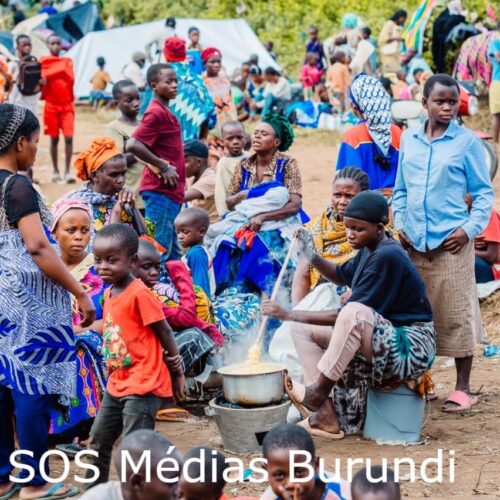
Burundi : more than 20,000 refugees registered by ONPRA, humanitarian needs intensify
SOS Médias Burundi Bujumbura, December 12, 2025 – Since last Saturday, Burundi has been facing an exceptional influx of refugees from eastern Democratic Republic of Congo (DRC), fleeing the violence
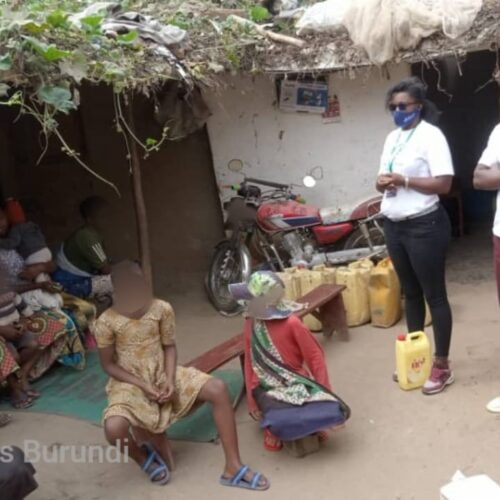
Nakivale (Uganda): the camp works to protect the rights of albinos
The Uganda Union of People Living with Albinism organized awareness sessions in schools in Nakivale camp for the protection of the rights of albino children. For albinos, this training comes
 : 90% of “non-essential” workers suspended, humanitarian services under pressure)
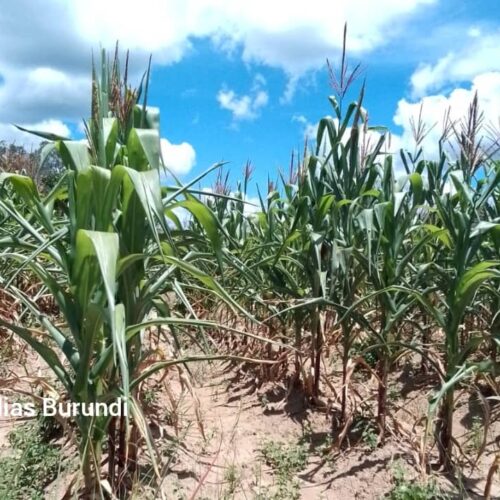
Meheba (Zambia) : prolonged drought worries refugees
Much of Zambia is affected by drought, which is causing growing concern about its detrimental impact on agricultural production. At the Meheba camp, discontent is becoming increasingly heard. INFO SOS