
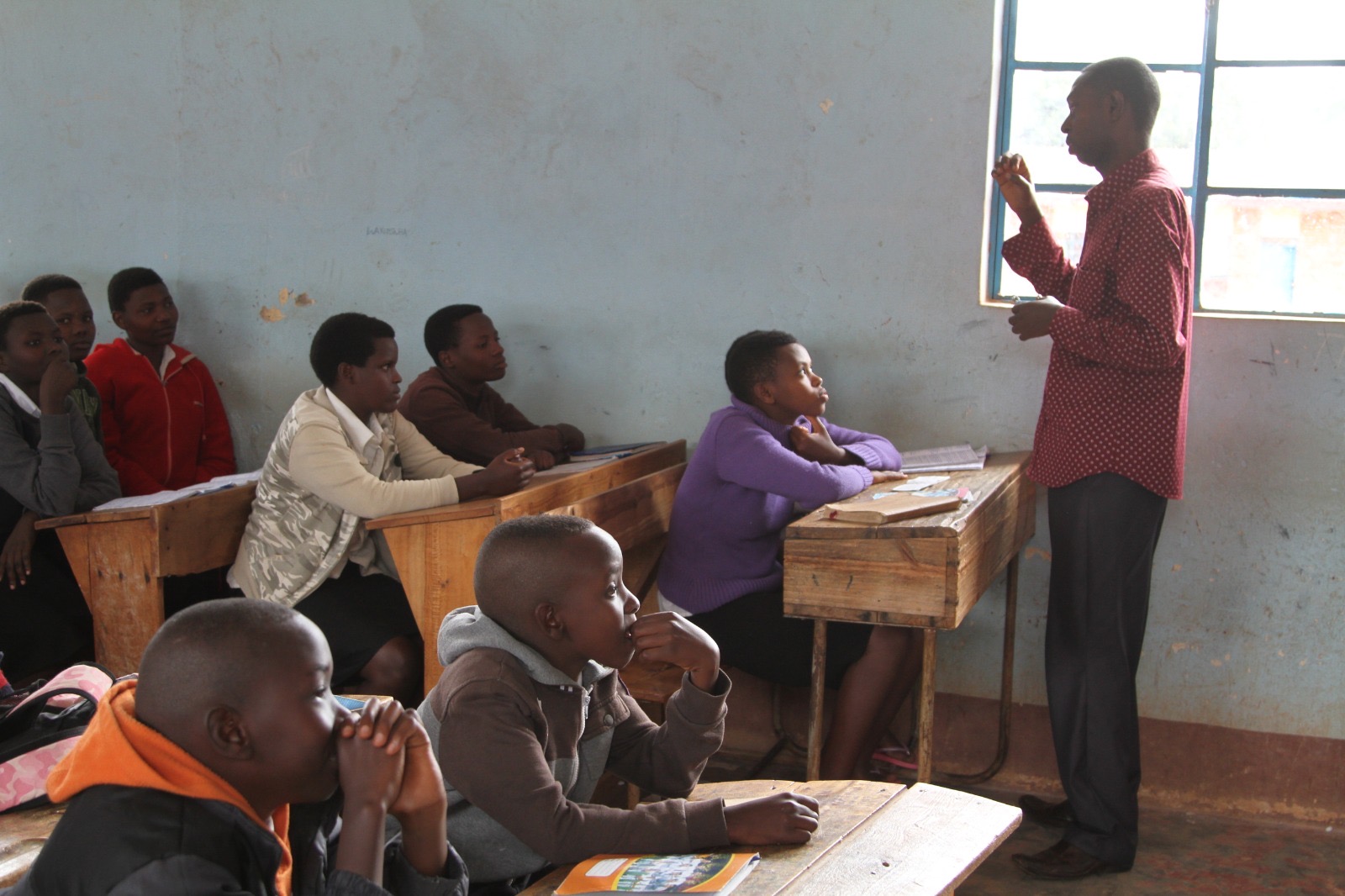
Burundi : the teacher exodus brings the school system to its knees
SOS Médias Burundi
Bujumbura, January 21, 2026 – Since the start of the 2025-2026 school year, the Burundian education sector has been facing a worrying phenomenon : a mass exodus of teachers. Despite the Ministry of Education’s efforts to stem this crisis, many teachers are leaving their posts, disrupting the normal functioning of schools across the country.
An exodus driven by low salaries and poor working conditions
According to several sources, teachers and some school officials are leaving their workplaces to seek better opportunities abroad. The main destinations include countries in the sub-region as well as some Arab states and Gulf countries, notably Dubai, an emirate and the economic capital of the United Arab Emirates (UAE), a federation of seven emirates.
Teachers are denouncing meager salaries and deplorable working conditions that prevent them from adequately meeting their basic needs. This situation is pushing a growing number of them to leave the country in search of more viable opportunities.
The Ministry is taking action, but the impact remains limited.
To address this crisis, the Ministry of Education sent a circular last week to all provincial directors, requesting them to compile a detailed report on teachers who have abandoned their posts. School officials who fail to submit this information risk having to reimburse the salaries unduly received by absent teachers.
To date, the exact number of teachers who have left the service remains unknown. Some provinces, such as Burunga in the south of the country, are particularly affected, with districts like Matana, Rumonge, and Nyanza where several schools are operating with reduced staff.
FENASEB denounces delayed reforms
The president of the National Federation of the Education Sector in Burundi (FENASEB), Antoine Manuma, stated on January 16, 2026, that his organization regrets that the resolutions of the 2022 National Education Conference have still not been implemented. According to him, this delay is significantly hindering improvements in the quality of education.
In response to this situation, FENASEB is calling for a national forum bringing together all stakeholders in the education sector to assess the implementation of these decisions, which are considered a fundamental pillar of the anticipated educational reforms.
The president of FENASEB also welcomed the recent statements by the President of the Republic regarding the decline in the quality of education and the need for swift action.
To retain teachers and sustainably improve the education system, Antoine Manuma urges the Ministry of Education to effectively implement the recommendations of the 2022 National Education Conference, including salary increases, a condition deemed essential to ensure teacher stability and quality education in Burundi.
You might also like
Burundi : 20 scholarships for hundreds of young refugees, DAFI rekindles hope
SOS Médias Burundi Muyinga, August 11, 2026 — After a two-year hiatus due to funding difficulties, the DAFI (Albert Einstein German Academic Refugee Initiative) scholarship program is reopening its call
Musasa : schools at a standstill, teachers abandoned, pupils left to their own devices
SOS Médias Burundi Kiremba, April 27, 2026 — At the Musasa refugee camp in Butanyerera province, northern Burundi, school activities have been severely disrupted after teachers decided to suspend classes.

Kinyinya : rising sexual violence threatens girls’ education
SOS Médias Burundi Kinyinya, April 27, 2025 – The district of Kinyinya, in Ruyigi province (eastern Burundi), is facing an alarming upsurge in sexual violence targeting underage girls. Since mid-March,