
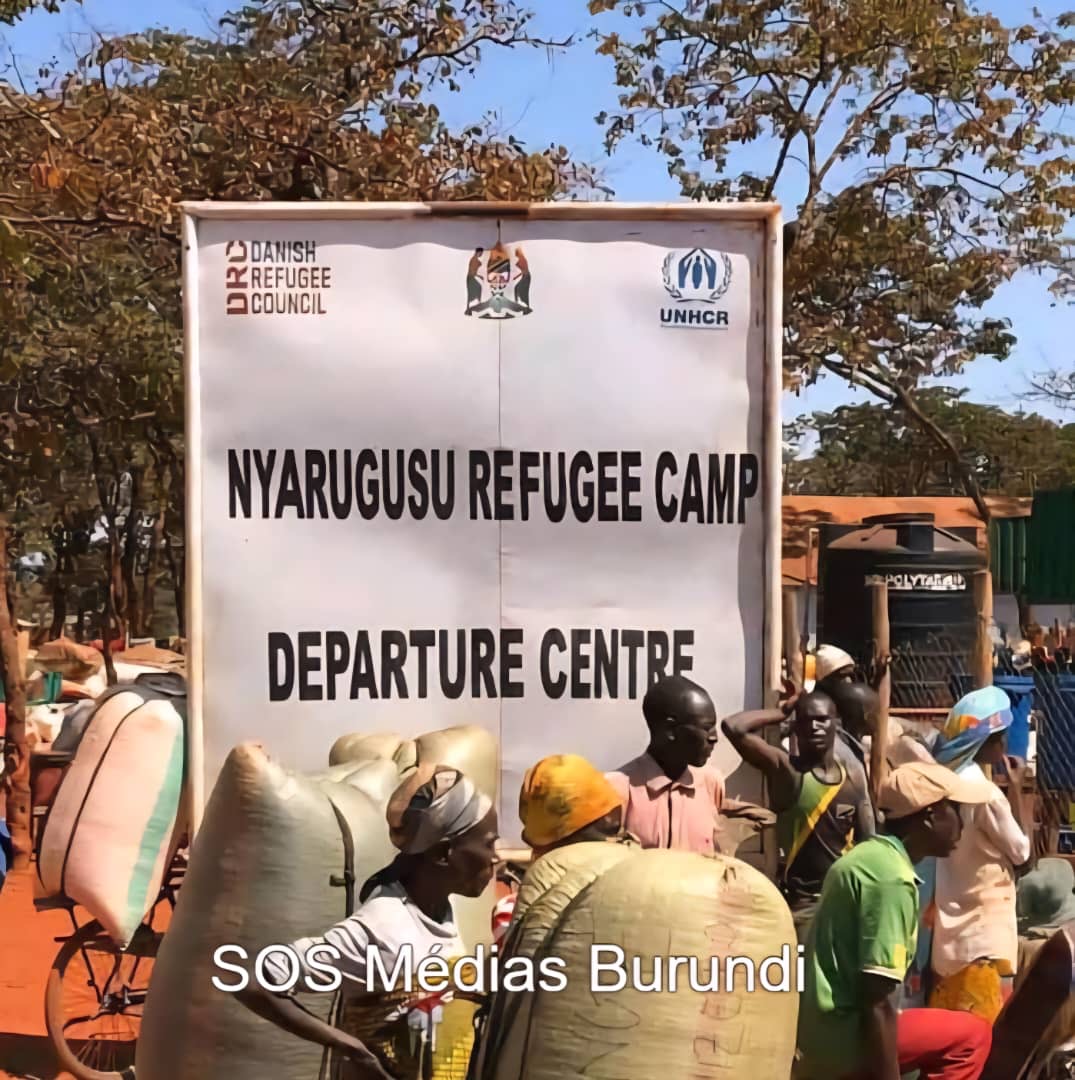
Photo of the week-Tanzania : demolitions, overcrowding, and violations of the Geneva Convention: Burundian refugees forced to return
In the Nyarugusu and Nduta camps for Burundian refugees, located in the Kigoma region of northwestern Tanzania, the humanitarian situation is rapidly deteriorating. Thousands of refugees are crammed into overcrowded waiting centers following mass demolitions of shelters and pressure to accept a return they describe as involuntary, or even forced.
Nyarugusu: an overwhelmed waiting center
Long considered hostile to voluntary repatriation, the Nyarugusu camp has been experiencing an unprecedented influx for several weeks. The waiting center is now overflowing, mainly with refugees from zones 8, 9, 11, 12, and 13, where many shelters have been razed.
“The reception site currently hosts more than 5,000 people, mostly women and children. Many are sleeping outdoors, in the streets and on the grounds, without enough food,” reports our source, who visited the site.
A volunteer with the United Nations High Commissioner for Refugees (UNHCR), a member of the assistance team, confirms :
“I have never seen so many people in the waiting center, not even during the initial influx of new refugees.”
“We are not returning by choice”
Many refugees say that their departure is not a free choice.
“They destroyed my house. My husband is detained, I don’t know where, for reasons we don’t know. What do you expect me to do?” “I’m going back, even though I don’t remember exactly which village I came from,” says Bucumi*, surrounded by her three young children. She is originally from the Makamba region in Burunga province, southern Burundi.
Another refugee, a father of four, explains that he demolished his own shelter :
“I didn’t want to watch my house being torn down. I destroyed it myself to salvage the corrugated iron sheets, the doors, and some furniture.”
In the waiting areas, overcrowding is extreme. Families live alongside goats, pigs, and poultry, surrounded by numerous bags of food they try to take with them.
According to UNHCR and camp administration staff responsible for registration, “organized returns under these conditions are virtually impossible.”
Nduta : accelerated demolitions and refugee anger
At the Nduta camp, the demolition of shelters has intensified in recent weeks. A source among UNHCR staff indicates that more than 12,000 Burundian refugees were registered in a single weekend.
“Everyone is registered to return, but in an atmosphere of anger. They insult us and keep saying they are being forced to go back to Burundi,” the source reports.
Almost all the houses in zones 17, 18, 19, and 20 have been razed. Some refugees want to leave with their livestock, including cows, and are spending the night in the waiting rooms before their departure.
A practice contrary to the Geneva Convention
Since the beginning of the year, nearly 20,000 shelters have been demolished in Nduta and Nyarugusu, according to humanitarian sources. Tanzanian authorities justify these operations by citing the improved security situation in Burundi.
This position is supported by the tripartite Burundi-Tanzania-UNHCR commission, which concluded last October that “more than 97% of Burundian refugees no longer have a reason to remain in exile,” recommending a rate of 3,000 returns per week.
However, these practices are denounced by refugees as violations of the 1951 Geneva Convention relating to the Status of Refugees, which guarantees, in particular :
the strictly voluntary nature of repatriation;
the principle of non-refoulement (Article 33), prohibiting any forced return to a country where the life, liberty, or security of the refugee would be threatened;
the obligation for States to ensure safe, dignified returns free from any direct or indirect coercion.
The UNHCR concerned, refugees denounce inaction
In mid-January, the UNHCR expressed its “deep concern” about the demolition of shelters and reiterated that “all returns must be voluntary, safe, and dignified.” Refugees deemed this statement insufficient.
“We are witnessing blatant violations of our fundamental rights. We regret the UNHCR’s inaction in the face of this situation,” they declared, calling for strict adherence to international refugee law.
Tanzania still hosts more than 110,000 Burundian refugees, most of whom fled the 2015 political crisis triggered by the controversial third term of the late President Pierre Nkurunziza.
Our photo : Dozens of homeless Burundian refugees, some sleeping on the bare ground, are waiting to be repatriated after their homes were destroyed in the Nyarugusu camp. According to Tanzanian authorities, the camp will be closed on March 31 (SOS Médias Burundi)
You might also like
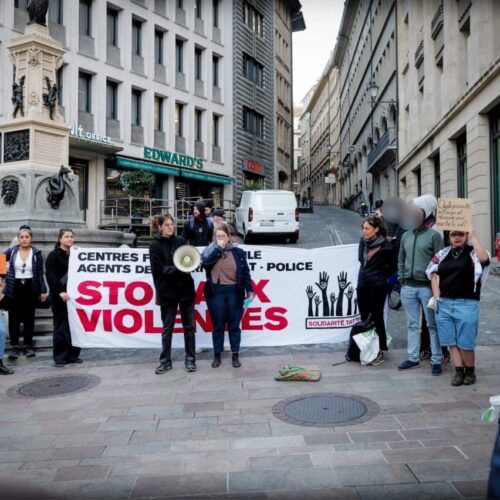
Photo of the week- Burundi : forced deportations from Switzerland, tense returns, and accusations of persecution denounced by experts
The return to Burundi of several young people deported from Switzerland is raising concerns and questions among their families, in a context already marked by economic hardship and persistent social

Photo of the week : massive influx of Congolese refugees, more than 47,000 people received urgently
In less than two weeks, the province of Cibitoke has seen an influx of nearly 50,000 Congolese refugees fleeing violence in their country. This massive displacement, composed mainly of women


Photo of the week-Buhumuza : fines, prison threats, and mandatory construction : new measures sowing fear
In Buhumuza province, eastern Burundi, the mandatory paving of private land providing access to national roads, the campaign to eliminate thatched houses, and new conditions imposed on couples getting married