
Photo of the week-Burundians seeking visas : the Trump administration imposes a real path of the fighter
Burundians seeking a visa to the United States face new administrative and financial hurdles. According to several reports from diplomatic sources and international media, the US administration is pursuing a reorganization of its consular services in Africa, with a significant reduction in the number of centers able to process visa applications.
In this new arrangement, the number of embassies and consulates active in processing visas on the mainland increases from about fifty to about twenty regional centers. Other diplomatic missions continue to provide some limited consular missions, particularly for U.S. citizens and emergency services.
For Burundian nationals, this reorganization means the end of local processing of non-immigrant visa applications. Candidates must now go to designated regional capitals to apply, namely Nairobi, Kigali or Dar es Salaam, according to the distribution of centers.
This situation significantly increases the cost of obtaining a US visa. Added to the already high filing fees are the expenses of transportation, accommodation and stay in the country where the consular interview is taking place. Students, businessmen, researchers and families wishing to join their loved ones in the United States are among the most concerned.
This reform fits into a broader context of tightening the U.S. immigration policy under President Donald Trump’s administration. Washington says it wants to streamline its consular services, strengthen security checks and crack down on document fraud as well as overstays.
In Bujumbura, the commercial capital of Burundi where UN agencies, the central administration and several diplomatic missions, including the US, are concentrated, the move is already raising concerns. Several observers believe that the centralization of consular services leads to longer processing times and further complicates access to U.S. visas for Burundian nationals.
At this stage, the official list of twenty regional centers has not yet been published by the US authorities. However, the earliest available information evokes a distribution covering several African capitals and major metropolises called to become major consular hubs. These include Abidjan (Côte d’Ivoire), Accra (Ghana), Addis Ababa (Ethiopia), Dakar (Senegal), Dar es Salaam (Tanzania), Djibouti (Djibouti), Johannesburg and Cape Town (South Africa), Kampala (Uganda), Democratic Republic of the Congo (DRC), Kigali (Rwanda), Lagos (Nigeria), Lomé (Togo), Luanda (Angola), Malabo (Equatorial Guinea), Monrovia (Liberia), Nairobi (Kenya), Port Louis (Mauritius), Praia (Cape Verte) and Yaoundé (Cameroon).
Parallel to this consular reorganization, Burundian nationals face a broader tightening of conditions for access to the US territory. Several restrictive measures have been introduced or strengthened through presidential proclamations, affecting different visa categories.
Tourist visas (B-1/B-2), as well as those for study and academic exchanges (F, M and J), are subject to significant restrictions, with the issuance strictly restricted on a case-by-case basis. The US authorities justify these measures by considerations related to national security, compliance with authorized lengths of stay and cooperation in the readmission of irregular migrants.
In this context, the US Embassy in Bujumbura no longer processes the issuance of ordinary visas, which are now subject to more centralized procedures and strengthened eligibility criteria. Burundian applicants are thus directed towards regional consular posts, notably Nairobi, Kigali or Dar es Salaam, depending on the availabilities and final allocation of services.
For Burundian nationals already on the U.S. soil, residency rules remain strict. They must imperatively comply with the validity period of their residence authorization listed on Form I-94, under penalty of sanctions that may extend to a ban on return or expulsion proceedings.
US authorities also do not allow Burundians present on the US soil to freely adjust their immigration status. Applications for adjustment of status or extension of stay remain possible only under strict conditions, and are rigorously reviewed by U.S. Immigration Services (USCIS), with varying approval rates on a case-by-case basis.
Against this background, access to the United States is becoming increasingly complex, costly and restrictive for many Burundians.
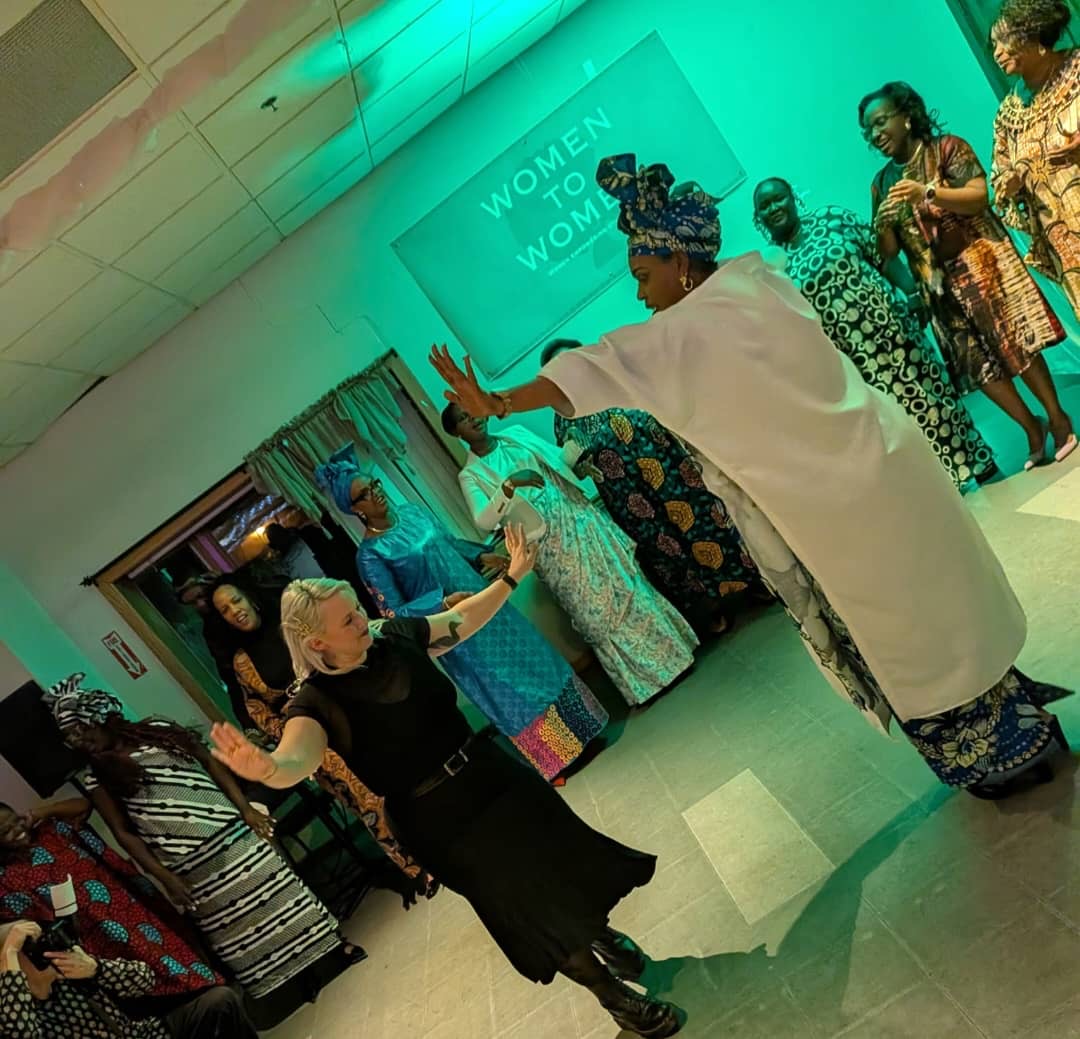
Our photo : in Portland, in the northern United States, a Burundian woman and an American woman perform a traditional Burundian dance during the International Women’s Rights Day celebrations on March 7, 2026. Burundian citizens face tougher U.S. visa requirements, marked by a reduction in consular services and a centralization of applications in regional capitals. Procedures are becoming more expensive and complex, forcing applicants to travel long distances for their administrative procedures
You might also like
Photo of the week-Kirundo : the State accused of abandoning thousands of citizens to a protracted water crisis with serious health consequences
Residents of Kiri, Kiyonza, and Ruhehe face a chronic drinking water shortage A severe drinking water shortage has been affecting residents of the Kiri, Kiyonza, and Ruhehe areas in Kirundo
Photo of the week : from the dream of emerging markets to the reality of hunger : Burundi at the end of its life
While authorities promise to elevate Burundi to an emerging country status by 2040, daily realities paint a bleak picture : chronic fuel shortages, soaring prices, and deteriorating living conditions, affecting

Photo of the week- Burundi : forced deportations from Switzerland, tense returns, and accusations of persecution denounced by experts
The return to Burundi of several young people deported from Switzerland is raising concerns and questions among their families, in a context already marked by economic hardship and persistent social