
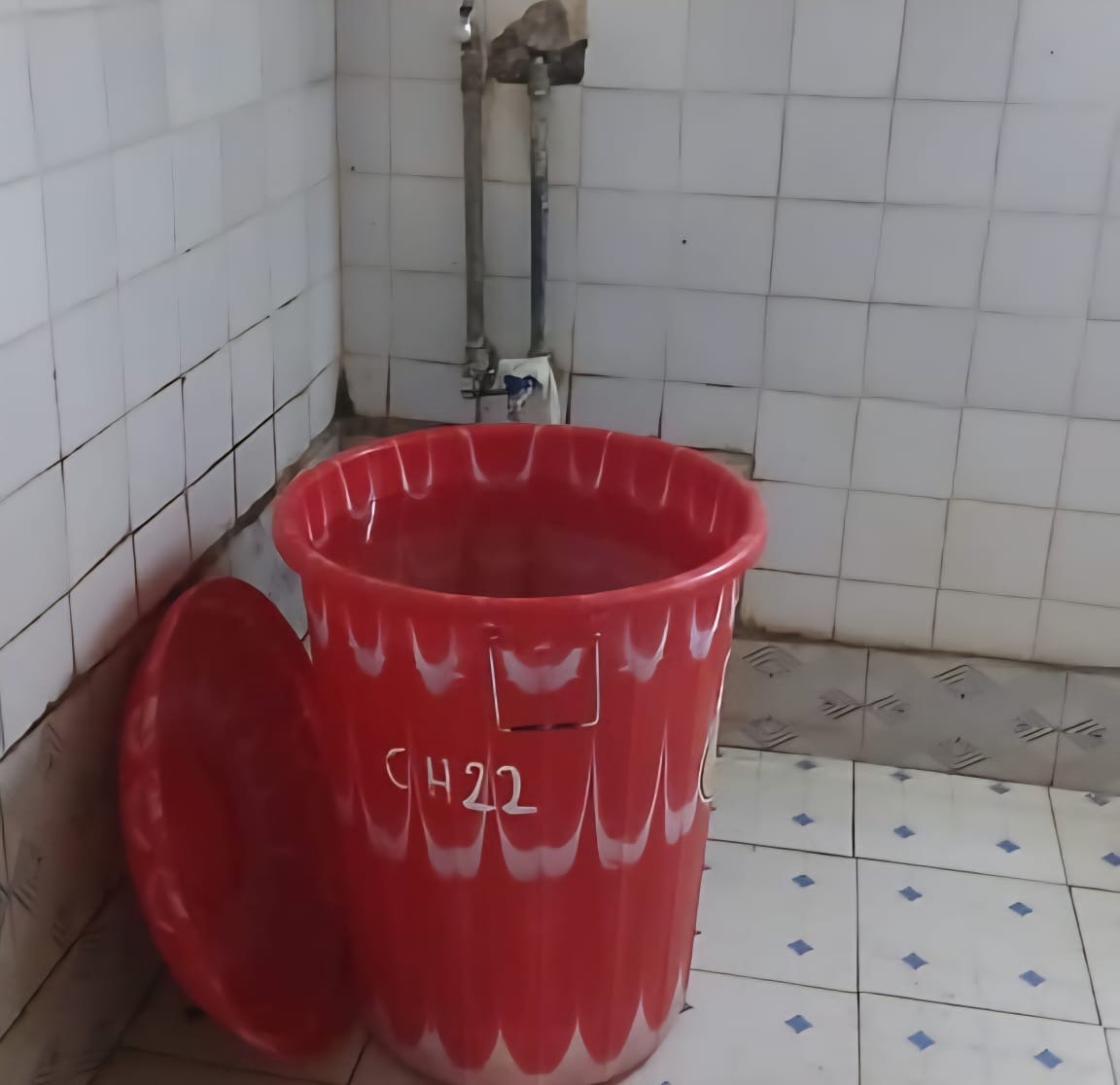
Bujumbura : drinking water shortage at Prince Louis Rwagasore Clinic, patients and staff worried
SOS Médias Burundi
Bujumbura, January 26, 2026 – Patients hospitalized at the Prince Louis Rwagasore Clinic (CPLR), located in the commercial capital Bujumbura, have been facing a critical shortage of drinking water since the beginning of last week. This worrying situation is disrupting the normal operation of this leading healthcare facility and exposing patients to major health risks.
According to several accounts gathered on site, drinking water has been unavailable during the day since the beginning of last week, complicating hygiene for patients, their companions, and healthcare staff. Buckets have been placed in some latrines to address this shortage, but patients feel these measures remain largely insufficient.
“Since the beginning of last week, there has been no water during the day. “The evidence is that the clinic has put buckets in the toilets, but it’s not enough. We are asking the authorities to find a lasting solution,” testifies a patient hospitalized at the Prince Louis Rwagasore Clinic.
Fears of diseases linked to unsanitary conditions
This shortage is causing serious concern among patients, who fear the spread of diseases caused by poor hygiene, particularly cholera, in an already fragile health situation.
“Without water, it’s difficult to wash our hands or maintain good hygiene. We’re afraid of catching other diseases in addition to those for which we are hospitalized,” confides another patient.
The administration acknowledges the outage
Contacted by SOS Médias Burundi, the administration of the Prince Louis Rwagasore Clinic confirms the existence of the water shortage. They cite a technical problem and indicate that they have taken temporary measures to limit the inconvenience.
“There is indeed an outage. While awaiting repairs, the clinic has purchased buckets to store water and make things easier for patients,” an administrative source at the CPLR reported.
A broader crisis in the commercial capital
The situation at the Prince Louis Rwagasore Clinic is part of a broader context of drinking water scarcity in Bujumbura. In several neighborhoods of the commercial capital, where United Nations agencies and central government offices are concentrated, residents are also reporting prolonged water outages.
This shortage is fueling fears of a resurgence of waterborne diseases, particularly cholera, which has already been reported in the north of the city. In some areas that still have water, a 20-liter jerrycan of water sells for up to 5,000 Burundi francs, delivered by bicycle taxi riders—a situation deemed unsustainable by many households.
Regideso often accused
Regideso, the sole public utility responsible for water and electricity distribution, regularly justifies these shortages by citing the rapid expansion of Bujumbura, which exceeds the current capacity of its infrastructure.
While awaiting a lasting solution, patients, residents, and civil society actors are calling on the relevant authorities to take urgent action to guarantee access to drinking water, particularly in healthcare facilities, where hygiene remains a critical issue.
You might also like
Makamba: Ministers’ visits didn’t solve to the population problems
In the province of Makamba (southern Burundi), on ground visits, ministers sought to know people’s grievances.The President of the Republic Évariste Ndayishimiye had commanded his ministers to tour all the
Burunga : after months of losses, cattle vaccination finally launched
SOS Médias Burundi Bururi, July 26, 2026—After several months marked by the spread of the foot-and-mouth disease and significant livestock losses, the Ministry of Environment, Agriculture, and Livestock organized a

Musasa: lack of water in the Congolese refugee camp
The Musasa refugee camp is passing through hard time. Its water pump is not working for lack of fuel, triggering dispair and a feeling of threat among the site’s occupants