DRC (Lusenda) : Burundian teachers without pay for six months, schools on the brink of chaos
SOS Média Burundi
Lusenda, South Kivu : February 18, 2026 – In the Lusenda refugee camp, located in the Fizi territory of South Kivu province and home to more than 30,000 refugees, teachers responsible for educating Burundian children have now gone more than six months without pay from the United Nations High Commissioner for Refugees (UNHCR). This situation seriously threatens an education system already under pressure and risks jeopardizing the children’s future schooling.
Teachers forced to leave the classroom
Faced with the prolonged lack of pay, several teachers, previously paid by the UNHCR, have had to abandon their classrooms. Some have turned to small-scale trading, while others have taken up farming or construction to support their families.
“We can’t keep working for months without being paid. We also have families to feed,” a teacher confided, speaking on condition of anonymity.
According to local sources, this payment interruption is linked to a financial crisis affecting the UN agency, impacting several assistance programs in the region.
Overcrowded classrooms, with up to 150 pupils
In several primary schools hosting refugee children—including Isungu Primary School, Zawadi Primary School, Katungulu Primary School, and Kahunga Primary School—the situation has become critical. Burundian pupils are now largely taught by Congolese teachers paid by the state.
At Isungu Primary School, a teacher explained that, due to a lack of staff, three classes have been combined into one.
“We are very tired because there are more than 150 pupils in each class. If the UNHCR had the resources, it could pay the teachers so we can distribute the pupils properly,” he pleads.
Under these conditions, providing adequate educational support is a challenge. Teachers report difficulties in grading exercises, maintaining discipline, and providing individual support to struggling pupils.
Parents and pupils worried about the future
In the Lusenda camp, many parents fear a significant decline in the quality of education. With such large class sizes, learning becomes difficult.
“Imagine studying in a class of 150 pupils, what can you possibly learn? Instead of wasting our time, it’s better to go and earn money,” laments a pupil who is considering dropping out of school.
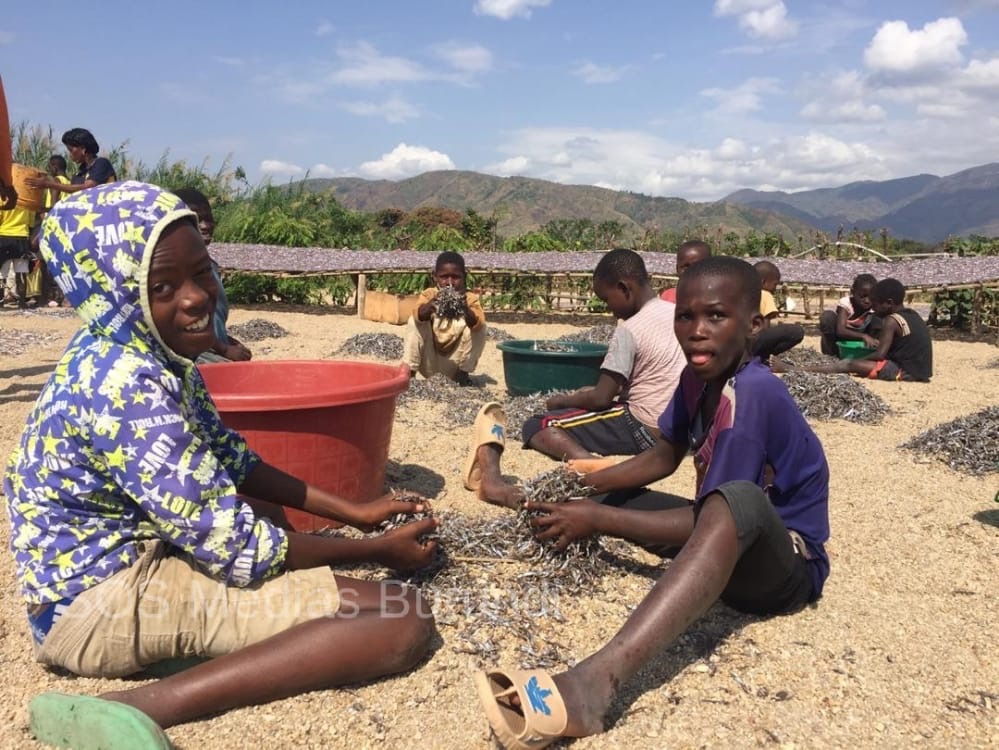
Some children have already left school. According to testimonies, some are heading to Tanganyika province to help fishermen and contribute to their families’ income.
A call for an urgent solution
The situation in Lusenda highlights the vulnerability of education systems in refugee camps, which are largely dependent on international funding. Without the UNHCR quickly resuming teacher salaries, local stakeholders fear mass school dropouts and lasting consequences for the future of thousands of Burundian refugee children.
You might also like
Kiremba : alcoholism on the rise in Musasa refugee camp and threatens social cohesion
SOS Médias Burundi Kiremba, July 6, 2026 — The excessive consumption of hard liquor by some Congolese refugees in the Musasa camp, located in the Kiremba district of Butanyerera province
Burundi-Rwanda: Gitega inataka kuwahakikishia usalama wakimbizi wa Burundi mjini Kigali
Jumatatu hii, Burundi ilituma wajumbe nchini Rwanda kwa ajili ya kuwahamasisha wakimbizi kutoka Burundi kurejea kwa hiari nchini Burundi. Ujumbe huo inaundwa na watu watano ikiwa ni pamoja na magavana
 : Burundian teachers without pay for six months, schools on the brink of chaos)
Nduta (Tanzania) : a clothing distribution welcomed by Burundian refugees
SOS Médias Burundi Nduta, October 18, 2025 – For the past week, all Burundian refugees in the Nduta camp have been receiving clothing distributions. This initiative has been warmly welcomed,