
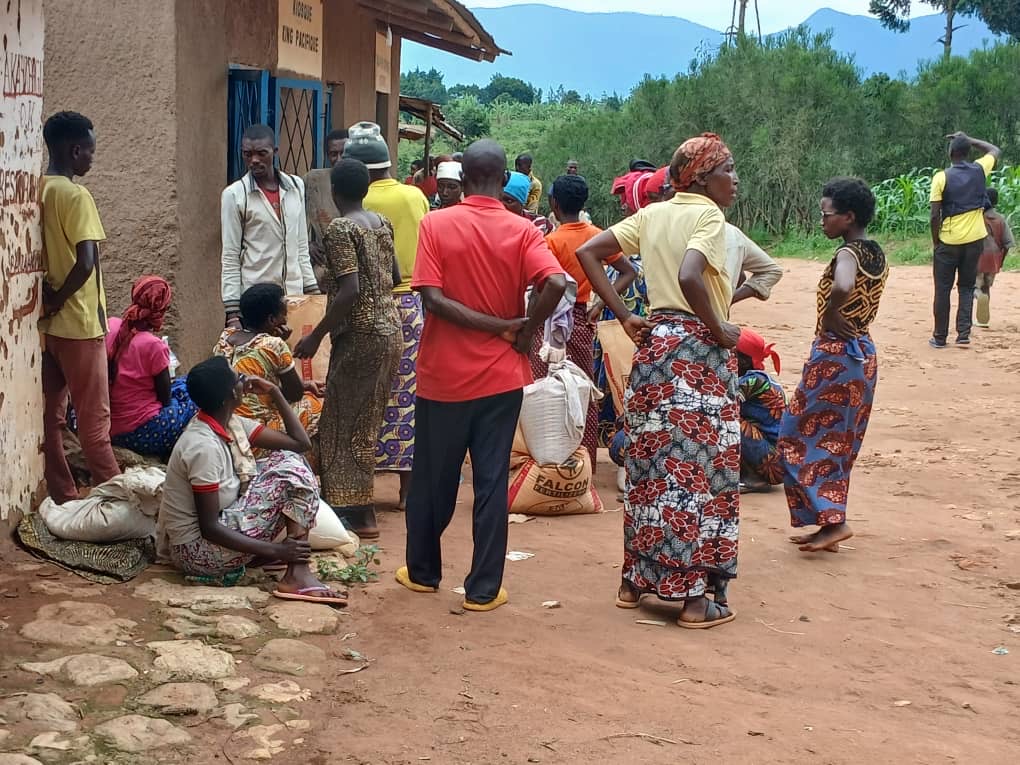
Fertilizer shortage : farmers in Bururi and Matana struggle during crop season B
SOS Médias Burundi
Bururi, March 24, 2026 — Farmers in the districts of Bururi and Matana, in Burunga province in the south of the small east African nation, are facing a critical shortage of fertilizers during crop season B. This situation is seriously jeopardizing agricultural activities and causing widespread concern among the rural population.
According to several testimonies gathered on site, the quantities of fertilizers distributed, particularly the FOMI Imbura and FOMI Bagara types, remain far from sufficient to meet demand. This shortage is particularly acute during the second distribution phase, where many farmers report not having received any.
Administrative authorities explain that priority was given to farmers who had accumulated arrears. However, local officials in the Kajondi, Muzenga, Bururi, Bamba, and Nyagasasa areas dispute this version of events. They indicate that a large number of farmers, including some who previously received the aid, have not received the expected fertilizers.
According to their estimates, at least 3,000 bags of FOMI Imbura-type fertilizer would be needed to clear the arrears. New applicants remain in limbo, with no indication of when distribution will occur.
Adding to this situation is the critical shortage of other essential agricultural inputs, such as lime and urea, further exacerbating the difficulties faced by farmers. Many now fear that the B farming season will end without them having access to the necessary inputs, thus jeopardizing agricultural yields.
Faced with this crisis, some local authorities are attempting to reassure the population by promising a swift resolution to the problem. However, these assurances are struggling to convince some farmers, who are beginning to lose hope.
At the heart of the criticism is the company FOMI (Organo-Mineral Industrial Fertilizers), which holds the monopoly on fertilizer production in Burundi. Although it benefits from government-backed financial advances, it is accused by several observers of failing to honor its supply commitments.
This crisis is occurring in a context where adherence to the agricultural calendar is crucial. In Burundi, planting for season B generally takes place from the beginning of February to March 15. Beyond this period, crops risk having their ripening phase coincide with the beginning of the dry season (season C), leading to a water deficit before maturity and, consequently, a significant loss of yield.
According to FOMI’s managing director, Simon Ntirampeba, and his deputy, the delay is primarily due to a lack of foreign currency needed to import the raw materials essential for fertilizer production. This is compounded by frequent power outages and fuel shortages, in the context of a persistent energy crisis that has lasted for several years. The factory is also burdened with a colossal debt of over $368 million, incurred to maintain production and meet national demand.
In several other districts of the small east African nation, farmers are denouncing insufficient quantities of fertilizer, repeated delays, partial or unfair distribution, and deliveries sometimes occurring several months after the relevant planting season. These shortcomings have direct consequences on harvests and exacerbate food insecurity nationwide.
The cases of Bururi and Matana are not isolated and reflect a wider problem affecting several provinces, where access to essential agricultural inputs remains a major challenge for farmers.
You might also like
Construction in Burundi : an expert warns of collapse risks due to non-compliance with standards
SOS Médias Burundi Bujumbura, June 13, 2026 – Failure to comply with building construction standards, particularly for multi-story buildings, could expose Burundi to preventable disasters. This is the warning issued

Bururi: listening to media in exile remains an offense
The director of the Murehe Communal High School in the province of Bururi (southern Burundi), Germain Ntakarutimana, spent a night in detention for having listened to the Humura shows of

Bujumbura : when the economic crisis steals Christmas from families
SOS Médias Burundi Bujumbura, December 24, 2025 – On Christmas Eve, the holiday spirit is struggling to find its place in Bujumbura, Burundi’s commercial capital. Between soaring prices, a chronic