
EAC : financial reforms and political tensions surrounding the status of Rregional lawmakers
SOS Médias Burundi
Arusha, March 25, 2026 — The East African Community (EAC) is undertaking a profound reform of its operations against the backdrop of a persistent financial crisis. With over $89 million in arrears in contributions accumulated by some member states, the organization is attempting to reinvent itself to ensure its sustainability.
Among the countries most affected are Burundi, the Democratic Republic of Congo, and South Sudan, whose payment delays are weighing heavily on the community’s budget.
Reforms adopted at the Arusha summit
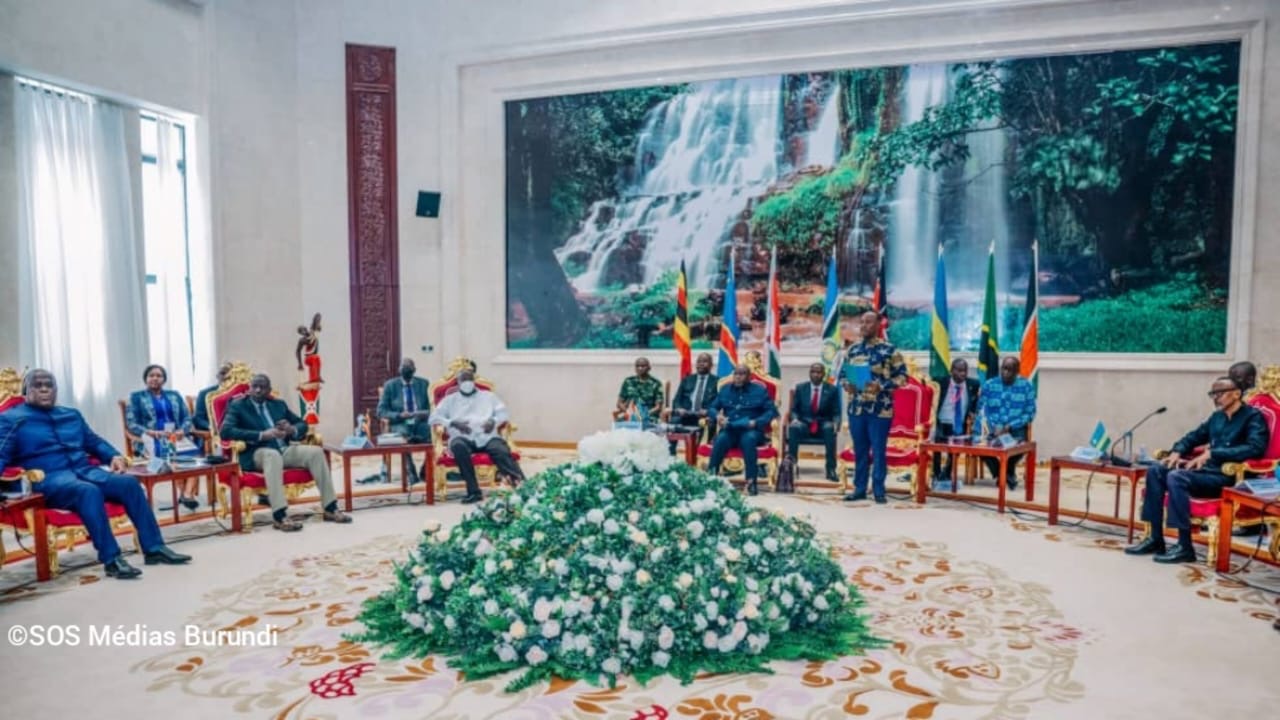
At the 25th Summit of Heads of State held in Arusha on March 7, 2026, leaders adopted a series of reforms aimed at restoring the community’s financial stability.
Key measures include a new contribution formula (50% equal, 50% based on GDP), as well as a major reform of the regional legislative body, the East African Legislative Assembly (EALA).
Starting in 2027, EALA members will be paid by their respective member states, rather than from the EAC budget. This decision aims to reduce the organization’s financial burden, as parliamentarians’ salaries represent a significant portion of its expenditures.
A divisive reform
While this measure is presented as a step towards more rigorous management, it also raises numerous questions. Transferring members’ salaries to the member states could weaken the EALA’s independence, strengthen the influence of national governments over regional representatives, and slow the political integration process.
Some analysts believe that this reform, while economically justified, could gradually transform the regional parliament into a less autonomous institution.
Political reactions in Burundi
In Burundi, this decision is already fueling debate. Olivier Nkurunziza, president of the UPRONA party and also a member of the EALA, is concerned about the consequences of such a reform.
According to him, this measure risks leading to unequal treatment among members of the same institution, which he considers unfair. He therefore proposes a more balanced contribution mechanism : 50% of contributions distributed equally among member states, and 50% calculated based on each country’s GDP. This approach would take into account the economic disparities between Burundi and countries like Kenya, Tanzania, and Uganda.
Regarding salaries, he indicates that two options are currently under consideration : either each state pays its members according to its own means, or a uniform scale is maintained, given that all members perform the same functions within the EALA.
For his part, Kefa Nibizi, president of the Codebu party, sees this development as a sign of the EAC’s gradual weakening, particularly in terms of financial independence. According to him, entrusting the salaries of the members of parliament to the member states risks further destabilizing the organization.
He therefore calls on member countries to pay their dues regularly, noting that several member states already have significant arrears.
Between budgetary constraints and the future of integration
Beyond the issue of salaries, these reforms reflect a desire on the part of the heads of state to save an organization weakened by structural dysfunctions.
However, they raise a fundamental question : can regional integration be strengthened while further refocusing responsibilities on the member states?
The decision to have EALA members of parliament paid by their respective countries marks a turning point in the history of the East African Community. Between budgetary imperatives and political risks, this reform could fundamentally redefine the balance between national sovereignty and regional governance.
You might also like
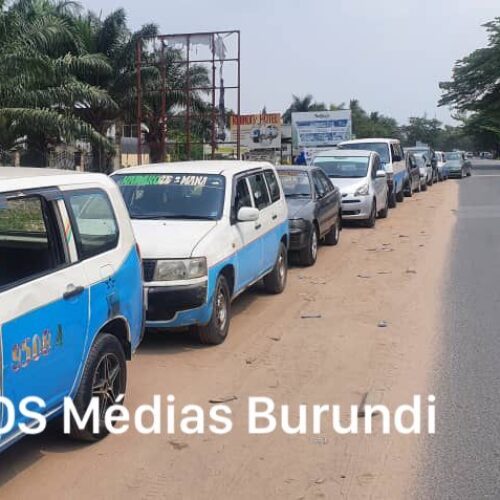
Burundi: an application for fuel without fuel
The Burundian population is forced to buy fuel online. The application has been set up by the Petroleum Company of Burundi (SOPEBU) since the end of last September. But, paradoxically,
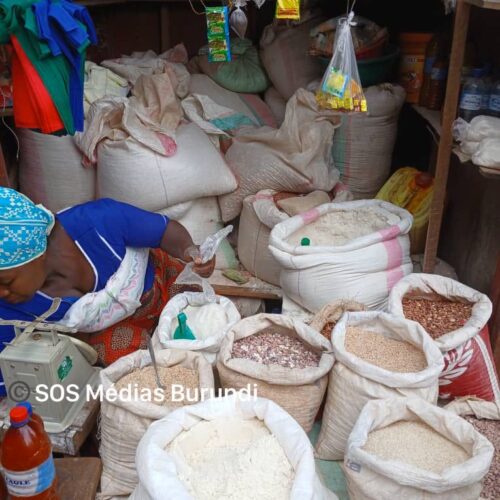
Makamba : the surge in the price of corn and cassava flour worsens the food crisis
While the province of Makamba (southern Burundi) is in the middle of the harvest period, a serious shortage of fuel oil is paralyzing the mills, leading to a steep rise
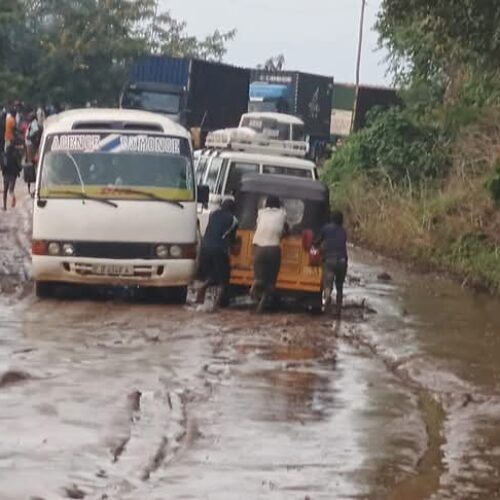

Deteriorating roads in Burundi : a neglected network, users at their wits’ end
SOS Médias Burundi Bujumbura, March 30, 2026 — Across the small East African nation, road users—particularly those transporting goods and people—are sounding the alarm about the advanced state of road