Stolen assets : the CVR announces sanctions against false testimony
SOS Médias Burundi
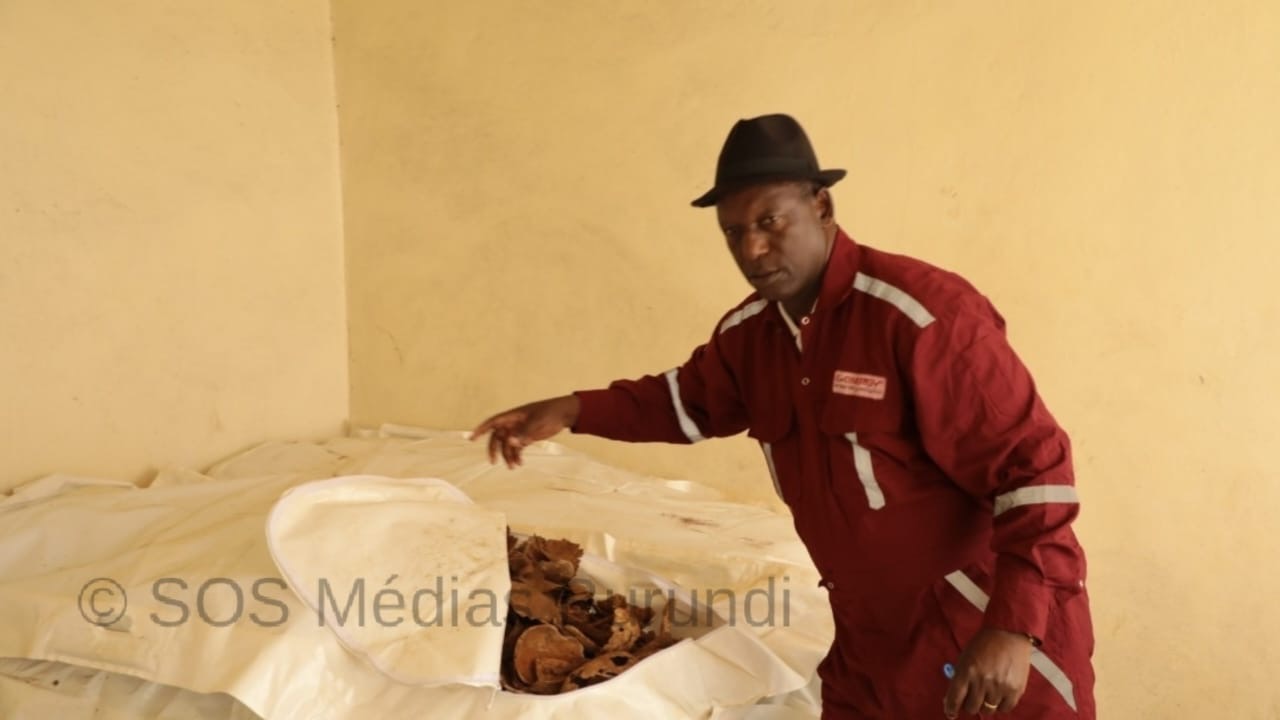
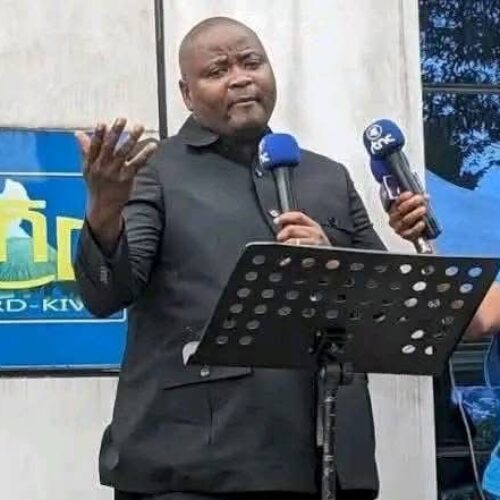
Bujumbura, April 15, 2026 – The Truth and Reconciliation Commission (CVR) is warning against any obstruction of its investigations into stolen assets. At a press conference held on Friday, April 11, its president, Pierre Claver Ndayicariye, announced criminal sanctions against those who make false statements and produce fraudulent documents.
According to him, the law governing the CVR stipulates a sentence of penal servitude ranging from one to three years, along with a fine of between 5 and 10 million Burundi francs, for anyone who threatens the commission, refuses to provide requested information, or produces false evidence during investigations.
“Some cases contain many lies,” he stated, referring to instances where individuals claim ownership of properties they know to have been seized. He warned that witnesses found guilty of making false statements will face prosecution under the law.
Investigations into the seized properties have already begun, the CVR chairman specified, adding that the first decisions will be made public within two weeks. He also called on citizens to be truthful, asserting that lying is a source of conflict within families and in society.
These communications, however, have elicited mixed reactions from the population. Some citizens describe them as a necessary step to guarantee truth and justice. Others, on the other hand, express concerns, describing these statements as intimidating and potentially divisive.
In a context where land issues remain particularly sensitive in Burundi, the CVR’s actions are being closely monitored. The upcoming decisions could influence public perception of the balance between justice, truth, and social cohesion.
The Truth and Reconciliation Commission (CVR) is one of the instruments established by the 2000 Arusha Peace and Reconciliation Agreement. It remains one of the most criticized commissions created under this agreement. It is particularly criticized by Tutsi rights organizations, which accuse it of focusing more on massacres that claimed more Hutu than Tutsi victims.
On December 20, 2021, the chairman of this highly controversial commission declared that the 1972 massacres, which resulted in more Hutu than Tutsi deaths, constituted “genocide against the Hutus of Burundi.” This statement was made on the sidelines of the presentation of a third progress report to both Chambers of Parliament in the commercial capital, Bujumbura. However, in May 2022, President Évariste Ndayishimiye stated that it was not yet time to declare that “the 1972 killings constitute genocide.”
Burundi has a similar ethnic composition to its northern neighbor, Rwanda, where the 1994 genocide against the Tutsis was recognized by the United Nations.
In Burundi, despite the recognition of the 1972 massacres—commonly referred to as “the events of 1972”—as “genocide against the Hutus” by the Hutu majority currently in power, the two main components of the population still struggle to agree on how to classify various crises that have plagued the country.
To this day, many Tutsis remain convinced that the violence that followed the assassination of the first democratically elected Hutu president, Melchior Ndadaye, in 1993, constitutes “genocide against the Tutsis.” This interpretation seems to have been less taken into account by Mr. Ndayicariye and his commission, who, in some provinces, refused to visit sites where mass graves of Tutsis had been reported to them.
In this climate, the upcoming decisions announced by the Truth and Reconciliation Commission (CVR) regarding looted property are being followed closely, amidst expectations of justice and fears of renewed social tensions.
You might also like
Butanyerera : a woman found dead, tied to a tree in Muhingira
SOS Médias Burundi Matongo, July 25, 2025 – A week after the discovery of a man’s body in the Nyawisesera River (same region), a new tragedy has caused shock. The
Cibitoke : a sixty-year-old brutally killed in Mabayi
A tragedy occurred during the night of January 24-25 in the district of Mabayi, located in the province of Cibitoke, in northwest Burundi. Berchmans Sinzobakwira, aged 64 and father of

DRC : three days without news of journalist Tuver Wundi
SOS Médias Burundi, Goma, August 30, 2025 – Tuver Tuverekwevyo Wundi, representative of Journaliste en Danger (JED), a partner of Reporters Without Borders (RSF) in the DRC, and provincial director