
RSF 2026 Index : Burundi makes progress amid a global setback for historic press freedom
SOS Médias Burundi
Bujumbura, May 1, 2026 – Burundi ranks 119th out of 180 countries in the 2026 World Press Freedom Index published Thursday by Reporters Without Borders (RSF). The small East African nation has thus climbed six places compared to 2025, when it held the 125th position worldwide.
Despite this slight improvement, Burundi continues to face several challenges related to media independence and the safety of journalists. RSF cites, in particular, political pressure, legal proceedings against some media professionals, and restrictions observed during sensitive periods.
The organization notes, however, some signs of improvement in the media climate, including the release of some detained journalists and the partial resumption of activities by media outlets affected since the 2015 crisis triggered by the controversial candidacy of the late President Pierre Nkurunziza for a third term. This candidacy was deemed contrary to the Arusha Agreement of August 2000, which ended several years of civil war in Burundi and laid the foundations for power-sharing in the country, as well as to the Constitution by a segment of the opposition and the civil society.
But many professionals still denounce an environment marked by self-censorship, intimidation, and the economic fragility of independent media outlets.
A historic setback on a global scale
In its report published Thursday, RSF estimates that press freedom is experiencing “its worst crisis in 25 years.” The organization emphasizes that more than half of the countries assessed are now facing a situation deemed “difficult” or “very serious” for the media.
According to Reporters Without Borders (RSF), less than 1% of the world’s population now lives in a country where press freedom is considered “good,” compared to around 20% in the early 2000s.
The ranking also highlights a deterioration in the situation in several democracies traditionally considered benchmarks. The United States has fallen to 64th place globally, while several European countries have declined due to political pressure, abusive legal proceedings against journalists, and the economic difficulties faced by media outlets.
For RSF, threats to press freedom are no longer limited to authoritarian regimes but now affect established democracies where journalists face smear campaigns, political polarization, and increasing violence.
Africa still under pressure
In Africa, RSF describes a particularly worrying situation. The organization highlights that several governments are using national security or cybersecurity laws to restrict media space and prosecute journalists.
In the Great Lakes region, the media continue to operate in a fragile environment marked by political tensions and insecurity. Rwanda is among the worst performers in East Africa, ranking 139th globally, while Ethiopia occupies the 148th position. Eritrea, meanwhile, remains the world’s worst-performing country in terms of press freedom for the third consecutive year.
RSF also reports a worrying deterioration in the Sahel region, where several military juntas have suspended media outlets, arrested journalists, and restricted access to information.
The best and worst performers in the ranking
Norway retains its top spot in the world rankings for the tenth consecutive year. The Netherlands and Estonia complete the top three in the 2026 ranking.
At the other end of the ranking, Eritrea comes in last, preceded by North Korea and China.
The World Press Freedom Index is published annually by Reporters Without Borders (RSF) based on several criteria, including the safety of journalists, the political context, the legal framework, the economic independence of the media, and the social environment in which the press operates.
You might also like
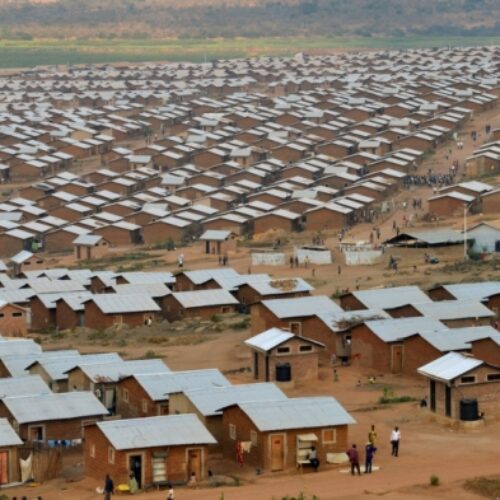
Mahama (Rwanda): more than a thousand refugees have not received a ration for three months
More than a thousand people including mostly Burundian refugees have no ration for three months. Normally distributed monthly, the ration is given as money in Rwandan currency on beneficiaries’ bank
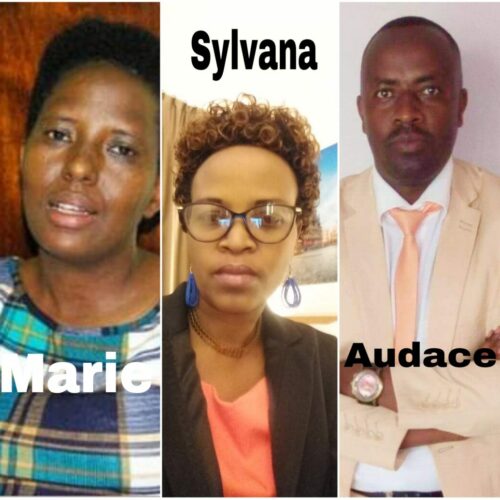
Burundi: IDHB and Acat-Burundi denounce the continued detention of five Burundian activists
A few days ago, the Ntahangwa court in the northern commercial city of Bujumbura decided to keep five Burundian human rights defenders in detention. Incarcerated in the central prison of
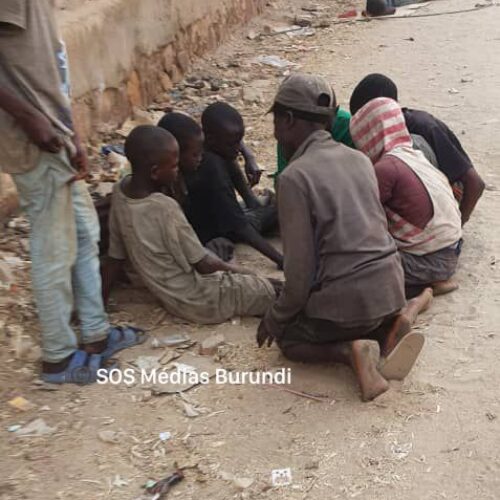

Bujumbura : Batwa without arable land earn their living from begging
Batwa families who live in the villages overlooking the commercial city of Bujumbura do not have arable land like other categories of the Burundian population. They say that their old