

Burundi : social unrest over the high cost of living, tensions between workers and the government amid economic constraints
SOS Médias Burundi
Gitega, May 1, 2026 – The celebration of the International Workers’ Day, held on Friday at the Ingoma Stadium in Gitega, the political capital of the small East African nation, was marked by strong tensions between workers’ representatives and Burundian authorities, against a backdrop of rising living costs and a purchasing power crisis.
Speaking on behalf of the Confederation of Workers’ Unions of Burundi, Célestin Nsavyimana painted a bleak picture of the population’s living conditions. He denounced the ongoing deterioration of daily life, stating that many families are struggling to access food, housing, and healthcare.
The union leader also highlighted the growing difficulties in paying school fees and meeting children’s basic needs. He mentioned the persistent fuel shortage, which is severely disrupting the transport of people and goods, as well as the lack of drinking water in several urban centers and the poor condition of the road infrastructure connecting provincial capitals.
Regarding civil servants, he denounced salaries that he considers “below the poverty line” and largely disconnected from inflation.
Government response : budgetary constraints and work discipline
In response, President Évariste Ndayishimiye acknowledged the economic difficulties but stated that a general salary increase remained “virtually impossible” in the current context of a budget deficit. He called on citizens to invest more in productive activities in order to generate foreign currencies.
In a firm speech, the president also warned certain heads of state-owned enterprises against cases of embezzlement. He further stated that “95%” of complaints related to the high cost of living come from civil servants based in Bujumbura, the commercial capital where the United Nations agencies and the central administration are concentrated.
Regarding the workplace performance, the Head of State criticized certain behaviors within the civil service, stating that the excessive use of phones and social media during working hours is detrimental to productivity.
Workers under economic pressure
On the ground, many employees describe a situation that has become difficult to bear. A teacher claims to earn approximately 350,000 Burundi francs (Bif) per month, an income deemed insufficient to cover rent, children’s school fees, and food until the end of the month.
Workers are demanding a salary increase and the reinstatement of annual promotions to improve their living conditions.
Unions and the civil society denounce a fragile system
The Confederation of Trade Unions of Burundi (COSYBU) expressed its shock at the persistent precariousness of workers. It also advocates for the expansion of urban transportation options, particularly motorcycle taxis and tuk-tuks, to facilitate mobility and improve productivity.
For its part, the organization Speech and Actions for the Awakening of Consciences and the Evolution of Mindsets (PARCEM) denounces a system marked by nepotism and favoritism in access to employment. Its director, Faustin Ndikumana, believes that the quality of work remains affected by fuel shortages, difficulties accessing the internet, a lack of foreign currencies, and the deterioration of public infrastructure.
A labor day under tension
This May 1st celebration highlighted a profound disconnect between social demands and the government’s economic constraints. It also took place in a symbolic atmosphere, marked by the awarding of a medal to First Lady Angeline Ndayishimiye, recognized for her commitment to the fight against obstetric fistula and the promotion of maternal health.
Every May 1st in Burundi is a paid public holiday.
In a context of high cost of living, the Labor Day 2026 appears as a stark reminder of the persistent social tensions between workers’ expectations and the limited responses of the state.
You might also like
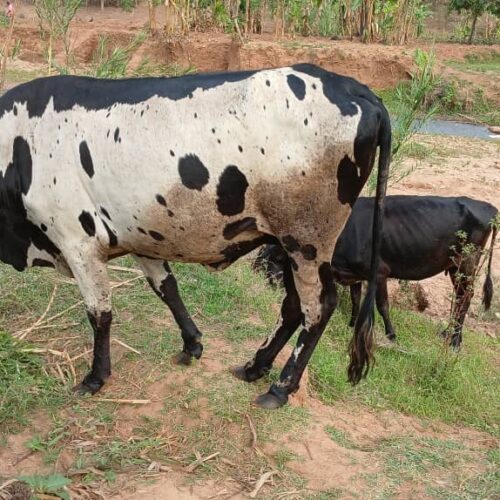
Burunga : the lump-stain disease and the foot-and-mouth disease decimate cattle herds
SOS Médias Burundi Burunga, February 25, 2026 – The province of Burunga, in southern Burundi, is facing a worrying resurgence of animal diseases. For nearly two months, lump-stain disease and

Photo of the week : for lack of Brarudi products, consumers resort to local wines
As in other provinces, finding Brarudi products in Bubanza province (western Burundi) is very difficult. In their place, bars use local wines with high alcohol content and at an unregulated
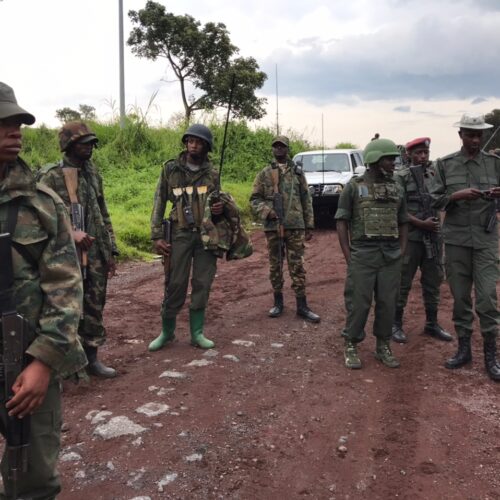

Vita nchini DRC: M23 yaacha sehemu ya ngome zake
Ijumaa hii, kundi la M23 limefahamisha rasmi kuwa wapiganaji wake wamejiondoa kwenye ngome zao za Kibumba. Ni kwenye umbali wa takriban kilometa 20 kutoka mjini Goma, makao makuu ya mkoa