
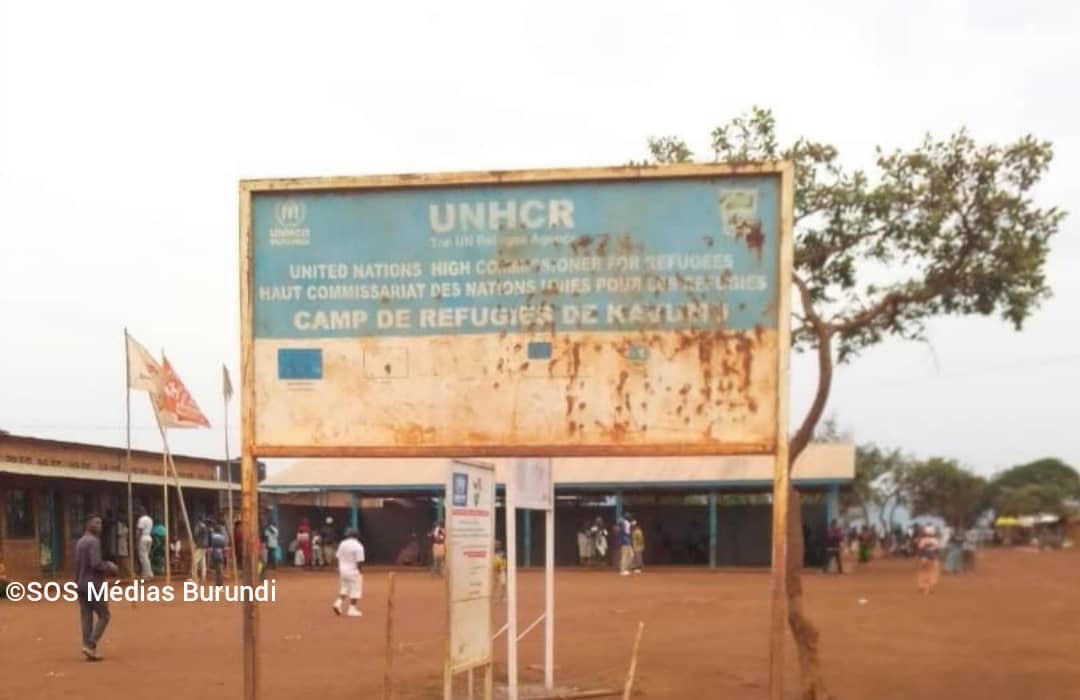
Kavumu : 19 Congolese refugee families fear being excluded from voluntary repatriation to the DRC
SOS Médias Burundi
Kavumu, August 2, 2026 – Nineteen Congolese refugee families living in the Kavumu camp in Buhumuza province, eastern Burundi, fear being excluded from the voluntary repatriation program to the Democratic Republic of Congo (DRC). They are requesting that Burundian authorities transfer them to the Musenyi site in Musongati district, Burunga province, southeastern Burundi, to be registered among the refugees wishing to return to their country.
In a letter addressed to the national coordinator of the National Office for the Protection of Refugees and Stateless Persons (ONPRA), these families are requesting to return to Musenyi to participate in the registration process for refugees applying for voluntary repatriation to the DRC.
These families explain that they were transferred from Musenyi to the Kavumu camp so that their children could continue their schooling according to the Congolese curriculum. While this decision was initially made in response to concerns about their children’s education, the parents now believe that their presence in Kavumu could prevent them from benefiting from the ongoing voluntary return process.
“We are grateful to Burundi for the protection we have received since our arrival. We agreed to be transferred to Kavumu to ensure our children’s education. Today, we are simply asking to return to Musenyi to be registered with the other families who wish to return voluntarily to the DRC. We hope our request will be heard and that we will be able to reunite with our loved ones through this program,” one of the refugees said, speaking on condition of anonymity.
A registration campaign launched by the UNHCR and the ONPRA
Their appeal comes as the United Nations High Commissioner for Refugees (UNHCR), in collaboration with the ONPRA, has launched a registration campaign for refugees who wish to be repatriated to the DRC in the near future.
According to available information, this program primarily concerns refugees from Uvira, a city located near the border between Burundi and the Democratic Republic of Congo, in the South Kivu province of eastern Congo, who have expressed their desire to return voluntarily to their country.
The 19 families from Kavumu believe that returning to Musenyi would allow them to be registered under the same conditions as other refugees participating in this program.
Thousands of refugees concerned about living conditions in the camps
The Kavumu camp and the Musenyi site host approximately 20,000 and 22,000 Congolese refugees respectively, primarily from eastern Democratic Republic of Congo.
In recent months, many refugees have expressed their desire to return voluntarily to their country, citing the difficult living conditions in the camps, the decrease in humanitarian aid, and the hope of returning to their communities of origin.
At the Busuma site, also located in eastern Burundi and hosting more than 60,000 Congolese refugees, tensions have erupted between security forces and some refugees amid misunderstandings and delays related to the voluntary return process. These clashes have resulted in deaths, injuries, and arrests, according to local sources.
These incidents have raised concerns among some refugees, who are calling for better communication and clearer support in organizing returns to the DRC.
Musenyi, a site marked by the massive influx of refugees
The Musenyi site, established in 2024, experienced a sharp increase in its population during January and February 2025, following the massive arrival of Congolese refugees fleeing the fighting in eastern Democratic Republic of Congo.
This influx occurred after the M23 rebel movement seized the cities of Goma and Bukavu, pushing back the Armed Forces of the Democratic Republic of Congo (FARDC) and their allies, including the Wazalendo group and the Burundian army.
To date, the Musenyi site hosts nearly 22,000 refugees. Many families continue to live there in precarious conditions. The shelters hastily erected during the massive influx of displaced people remain inadequate to withstand the harsh weather.
The need for healthcare, drinking water, food, and humanitarian assistance remains significant. Several households also report a reduction in food aid and increasing difficulties in meeting their daily needs.
The 19 affected families are therefore requesting that the Burundian authorities take their situation into consideration and facilitate their transfer to Musenyi as soon as possible, so that they can participate in the voluntary repatriation process to the DRC.
You might also like

Rwanda : the biometric card that could change refugees’ lives
SOS Médias Burundi Mahama, Rwanda, June 16, 2026 – Rwanda is continuing its digital transformation with the gradual rollout of a new biometric identity card for all its citizens and
Burunga : returning from Tanzania with his savings, he disappears… his body found hanged, suspicions of extortion resurface
SOS Médias Burundi Burunga, August 7, 2026 — The lifeless body of Emmanuel Bukuru, 48 years old, was found a week after his disappearance in Burunga province, southern Burundi, a


Tanzania : humanitarian NGOs threatened to close, thousands of Burundian refugees fear forced repatriation
SOS Médias Burundi Nduta, April 24, 2025 — Burundian refugees living in the Tanzanian camps of Nduta and Nyarugusu, in the Kigoma region of northwest Tanzania, are increasingly worried. During