
Malagarazi : the river advances, Burundian lands recede
SOS Médias Burundi
Burundi, August 11, 2026 — The gradual shifting of the Malagarazi River, which forms a natural border between Burundi and Tanzania for several kilometers, is causing deep concern among the riverside communities in Burunga province, particularly in its southeastern part. Each rainy season, flooding and erosion alter the river’s course, engulfing farmland, destroying crops, and fueling land and security tensions between communities in the two countries.
Gradually lost fertile land
In this predominantly agricultural valley, residents say they have been witnessing a gradual shift in the Malagarazi River’s course for several years. When the river overflows its banks, it erodes its banks and submerges plots of land formerly cultivated by Burundian farmers.
Families say they have seen part of their farmland gradually disappear across the river. For these communities, the problem is no longer limited to the damage caused by the floods: they fear a de facto alteration of the natural border, resulting in a gradual loss of land to Tanzania.
The floods are also destroying crops and preventing some farmers from accessing their fields or harvesting their crops. Residents claim that Burundian farmers are sometimes unable to harvest the crops they have sown, while, according to them, Tanzanian farmers cultivating land on the Burundian side continue to access their fields and harvest their produce.
This situation fuels a sense of injustice among the border communities.
“What is the point of good neighborliness?”
The residents also question the tangible benefits of Burundi and Tanzania’s shared membership in the East African Community (EAC).
They question the purpose of the principles of regional integration, free movement, and Ujirani Mwema (good neighborliness) if the people living along this border cannot protect their land, crops, and safety.
For these residents, talk of regional integration must now be accompanied by concrete mechanisms to resolve disputes related to the river’s shifting course.
Houses burned and fields looted
Adding to this land issue is a security situation deemed worrying.
Residents report that houses have been burned and fields regularly looted during raids they attribute to individuals from Tanzania.
These accusations, which require investigation to substantiate, nevertheless exacerbate the sense of insecurity among families living in this border area.
A local administrative official states that this situation makes the population particularly vulnerable, as they are already suffering the consequences of flooding, soil erosion, and crop losses.
The phenomenon is acknowledged by the authorities.
Burundian administrative and security authorities state that they have repeatedly raised this situation during meetings dedicated to security and border issues.
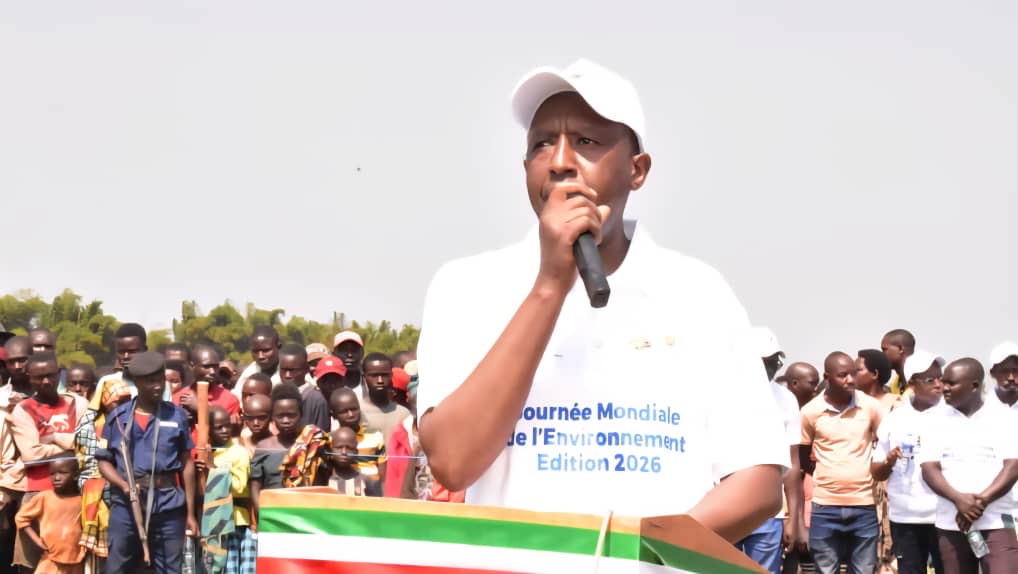
The issue was notably raised on July 16, 2026, during the celebration of International Environment Day and African Border Day, held on the banks of the Malagarazi River.
On this occasion, the repeated shifts in the riverbed, the resulting land disputes, and their consequences for the populations living on both sides of the border were highlighted.
According to Burundian authorities, the shifting course of the Malagarazi River is a recurring source of tension between communities in the two countries. Each alteration of the river can lead to new disputes over the ownership or use of newly emerged or displaced land.
Technical solutions and cooperation between the two countries
The authorities are considering working with the relevant technical services to better understand the evolution of the river’s course and to identify sustainable solutions.
Hydrological studies, bank stabilization, and the construction of flood protection infrastructure are among the solutions being considered.
However, experts believe that any intervention on a border river cannot be sustainable without consultation between Burundi and Tanzania. Riverbed shifts can be linked to heavy rainfall, bank erosion, or the effects of climate change.
The riverside communities are therefore asking both governments to establish a joint mechanism to monitor the Malagarazi River’s evolution, prevent land disputes, and protect affected farmers.
For them, the urgency is twofold: preserving agricultural land and ensuring the safety of residents.
In this border valley, the river does more than just carry water during floods. It also gradually shifts land boundaries, crops, and, with them, the anxieties of communities who have been waiting for concrete action from their governments for several years.
You might also like
15,000 francs for a single trip : Bwagiriza refugees strangled by rising transport costs
SOS Médias Burundi Ruyigi, July 21, 2026—For Congolese refugees in the Bwagiriza camp, located in the district of Ruyigi, Buhumuza province, in eastern Burundi, as well as for the surrounding
Gitega : behind the rhetoric, the persistent scandal of conflict minerals in Africa’s Great Lakes region
SOS Médias Burundi Gitega, April 21, 2026 – Gathered in Gitega, stakeholders in the mining sector in Africa’s Great Lakes region expressed their desire to move beyond conflict minerals. But


Burundi: from now on all field visits by administration staff will be financed by NGOs
Technical and financial partners working in each locality will now provide a budget to finance trips of administration authorities. This is for the latter to go to the ground to