
Burundi : over 70,000 Congolese refugees starve, humanitarian aid no longer sufficient in Ruyigi
SOS Médias Burundi
Ruyigi, November 12, 2026 — More than 70,000 Congolese refugees living in the Nyankanda, Bwagiriza, and Busuma camps in the district of Ruyigi, Buhumuza province, eastern Burundi, are facing a deterioration in their food security. Since the beginning of November, soaring prices of basic foodstuffs, exacerbated by repeated power outages, are further reducing their ability to feed themselves with the monthly financial assistance they receive.
In the markets, the prices of some foodstuffs have doubled. A kilo of corn, which previously sold for 1,200 Burundian francs (Bif), now costs 2,400 Bif. The price of beans has risen from 2,500 to 5,000 Burundian francs (Bif).
These price increases are a heavy burden on households that rely on humanitarian aid of 38,000 Bif per person per month. With this amount, a mother can only buy about seven kilos of beans to cover her needs for an entire month, not counting expenses for oil, salt, and flour.
Power outages are driving up the cost of flour.
In addition to the price increases, there are difficulties related to processing maize. Refugees receive their assistance in the form of cash and buy food products themselves at the markets. Many used to go to the Ruyigi center to buy maize at a more affordable price before having it ground in the city’s electric mills.
This method allowed them to obtain white flour, called kawunga, prized for its quality and its ability to rise well when cooked.
But since October, power outages have become increasingly frequent in the center of Ruyigi. Electric mills sometimes remain idle for several days, forcing refugees to seek alternative solutions.
They are now turning to the markets of Kwisumo and Kayongozi, where a kilo of maize costs 2,400 Burundian francs. They then have it ground there using makeshift machines powered by gasoline or diesel. The resulting flour is darker and has a smoky odor.
This solution is also more expensive for them, in a country that has been mired in a fuel supply crisis for almost six years. On the black market, fuel prices can reach five times the official rate. This surge increases the operating costs of the makeshift mills and further burdens the refugees’ expenses.
Ahishakiye, a refugee from South Kivu living in the Bwagiriza camp, testifies to the impact of these hardships on her family.
“Before, I used to buy my corn in Ruyigi for 1,200 Burundian francs per kilo. With 15 kilos, I could feed my family and get good quality white kawunga from the mill, which puffed up nicely when cooked. The children loved it,” she says.
She explains that she tried twice to go to the mills in Ruyigi, but the machines were out of service due to a power outage.
“Since these outages, I don’t go anymore. I’m forced to buy my corn at the Kwisumo market for 2,400 Burundian francs per kilo, then have it milled there with gasoline-powered machines. The flour is different, darker, with a smoky smell. Everything costs more, and in the end, we eat less well.” “It’s very discouraging,” she laments.
The refugees thus bear a double burden : the high price of maize in local markets and the additional cost of processing it with fuel-powered machinery.
Returns to the DRC despite the difficulties
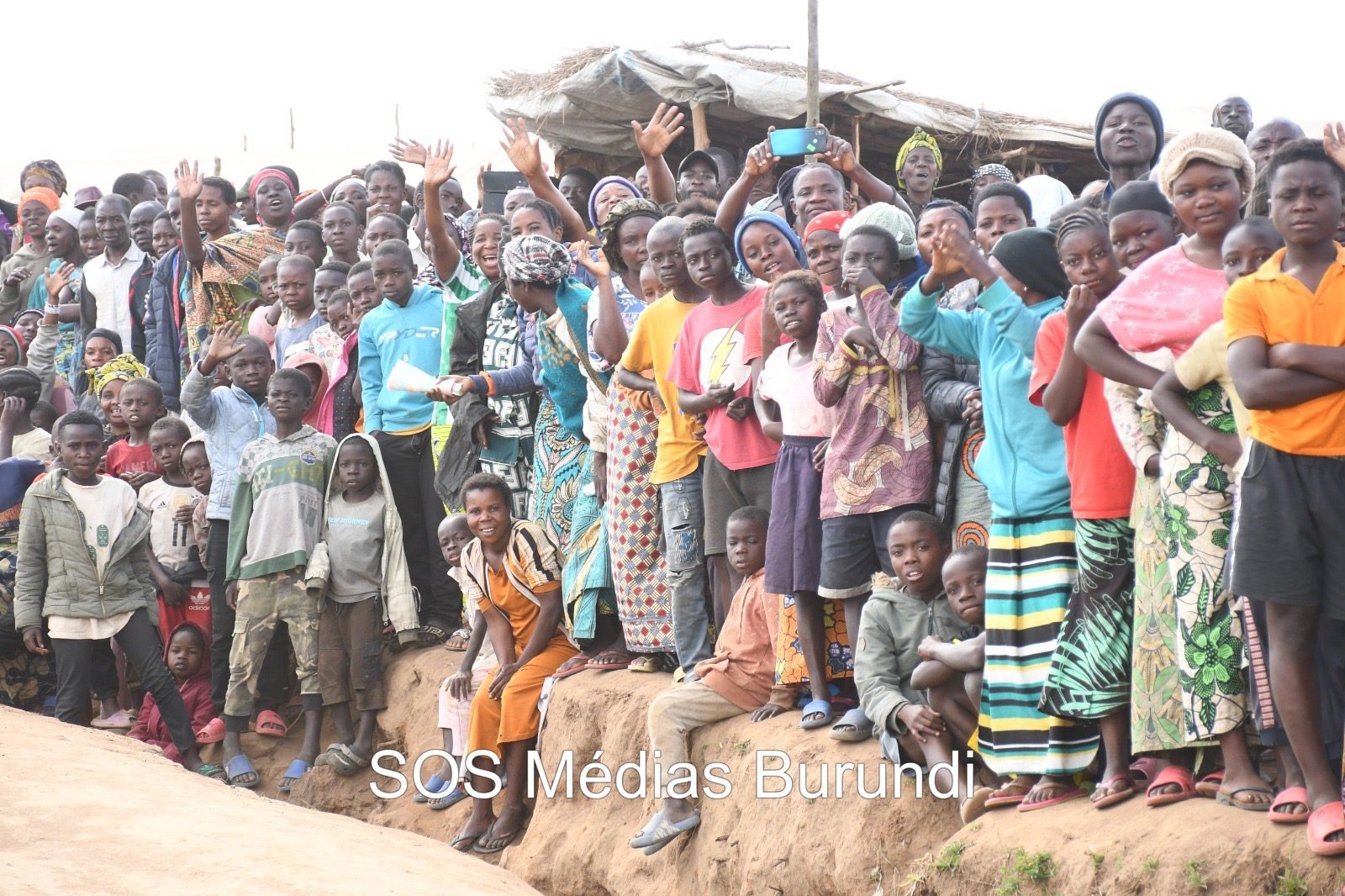
The situation affects the three camps in the Ruyigi district : Nyankanda, Bwagiriza, and Busuma. More than 70,000 Congolese refugees live there and depend on financial assistance to buy food.
In recent months, the particularly difficult living conditions, especially in the Busuma camp, have driven several thousand refugees to return to the Democratic Republic of Congo, despite the uncertainties and difficulties associated with their return.
For those who remain in the camps, the monthly aid of 38,000 Bif is losing its purchasing power every day. Between rising prices, power outages, and the cost of fuel, getting enough to eat has become a daily struggle.
……
A local market in the region where Congolese refugees live in Burundi, facing difficult living conditions and rising prices for basic necessities (SOS Médias Burundi)
You might also like

Zambia : karibu warundi 30 wanazuiliwa jela kwa kosa la uhamiaji haramu
Polisi nchini Zambia inafahamisha kuwa iliwakamata raia kutoka Burundi 29 kwa kosa la uhamiaji haramu. Walipitia Tanzania na lengo lao lilikuwa kufika nchini Afrika ya kusini. Wanaharakati wanasema ni biashara
Mozambique : eight Burundians threatened with being sent to prison
Eight Burundian nationals have been detained in a Mozambican police cell in the province of Nampula, located northeast of the capital Maputo, for more than 5 months. They were arrested

Makamba : two mutilated corpses in less than two months, fear spreads in Kayogoro
SOS Médias Burundi Makamba, August 30, 2026—The discovery of a second body bearing signs of violence near Saint Joseph Parish in less than two months has reignited concerns in the