Rwanda : in Mahama, 1,600 refugee families targeted to end dependence on humanitarian aid
SOS Médias Burundi
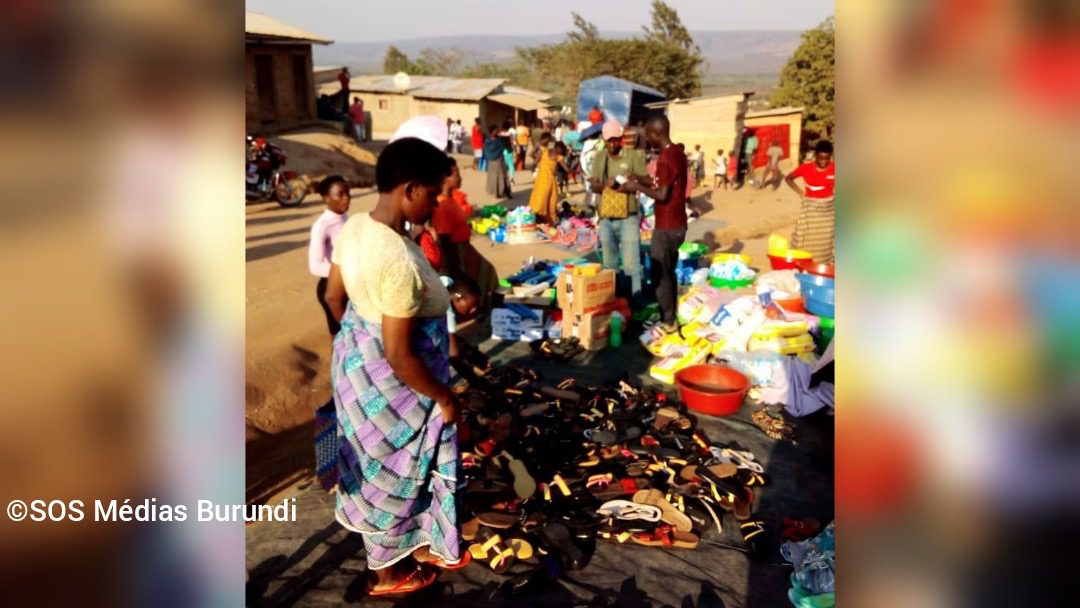
Mahama, September 17, 2026—An economic empowerment program targeting 1,600 refugee families in the Mahama camp in eastern Rwanda is to be implemented between 2027 and 2030. Supported in particular by Caritas Rwanda and the World Food Program (WFP), the project plans to finance income-generating activities to enable beneficiaries to gradually reduce their dependence on humanitarian aid.
In the Mahama camp, this new initiative aims to make economic empowerment a tool in the fight against poverty and dependence on humanitarian assistance.
The project, overseen by the United Nations High Commissioner for Refugees (UNHCR) and the Rwandan government, plans to support 1,600 pilot families over a four-year period.
The stated objective is to enable the most vulnerable households to develop their own sources of income and sustainably improve their living conditions. Two projects working towards this goal are supported by Caritas Rwanda and the World Food Program (WFP).
Funding to launch income-generating activities
Each selected family should receive funding of between 1.3 million and 1.7 million Rwandan francs. This funding is intended to launch an income-generating activity chosen according to the beneficiaries’ needs, skills, and economic resources.
However, the program does not only provide start-up capital. Families will also receive support and training, particularly in financial management, organization, and business development.
The profits generated can also be pooled within cooperatives and rotating savings and credit associations (ROSCAs). This mechanism is designed to promote savings, mutual support among beneficiaries, and the gradual consolidation of the established activities.
Three vulnerability categories
The identification of beneficiaries is based on a classification into three vulnerability categories. The first category includes households considered the most vulnerable, the second those with an intermediate level of vulnerability, while the third concerns households considered the least vulnerable.
The program specifically targets families in the first and second categories, deemed a priority due to their socio-economic situation.
Family identification already underway
The first phase of the program began with the identification of households considered vulnerable. This operation, which started in June, focuses primarily on families classified in the first and second categories.
The selection of beneficiaries is, however, a crucial factor for the program’s success. Refugees interviewed welcomed the initiative, while also calling for transparency in the list-making process to ensure that funding is effectively directed to the families most in need.
The refugee representative, for his part, expressed satisfaction with the project’s reception. He believes such an initiative could contribute to a significant improvement in the living conditions and standard of living of the beneficiary families.
Reducing dependence on humanitarian aid
The project comes at a time when some of the refugees in Mahama still rely on humanitarian aid to meet their basic needs.
The project’s promoters are therefore focusing on developing economic activities to strengthen household autonomy and gradually enable them to become more self-sufficient.
For the 1,600 pilot families, primarily from the first and second vulnerability categories, the main challenge will be to transform the funding received into sufficiently profitable and sustainable activities.
Support and training for beneficiaries should enable them to better manage the capital they receive, save, and develop their businesses over the long term.
For the organizations supporting the project, the results achieved could serve as a model to promote the economic empowerment of a larger number of refugees living in Rwanda.
More than 75,000 refugees in Mahama
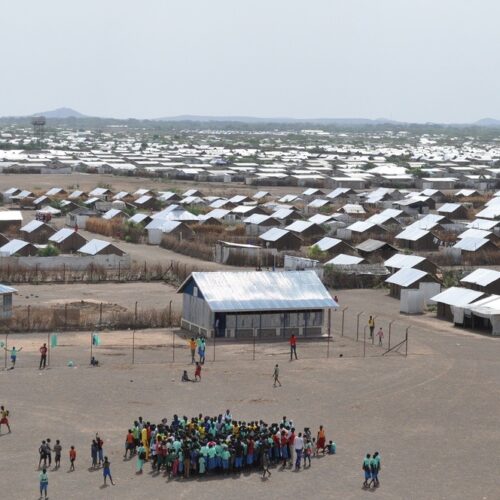
The Mahama camp hosts more than 75,000 refugees. The majority are from Burundi, with more than 40,000 Burundian refugees, while the others are primarily from the Democratic Republic of Congo.
For these families, the challenge therefore goes beyond access to one-off funding. The program aims to empower them to develop economic activities capable of generating regular income and gradually reducing their dependence on humanitarian aid.
Between 2027 and 2030, the 1,600 selected families will thus have to transform this opportunity into viable businesses. The program’s success could then determine its potential expansion to other refugee households in Rwanda.
You might also like
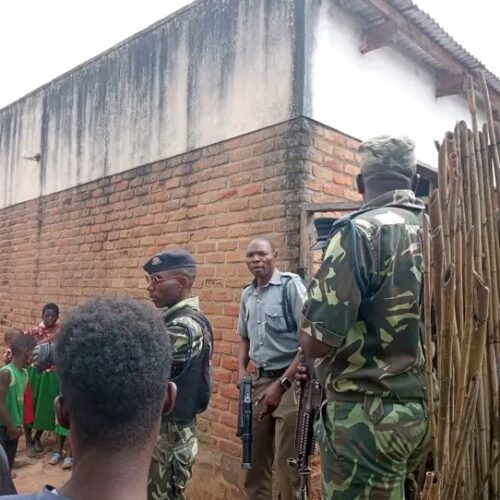
Dzaleka (Malawi): more than 400 refugees arrested
A large-scale search was conducted by the police and the army on Thursday morning at the Dzaleka camp in Malawi after the gunshots rang out the night before in the
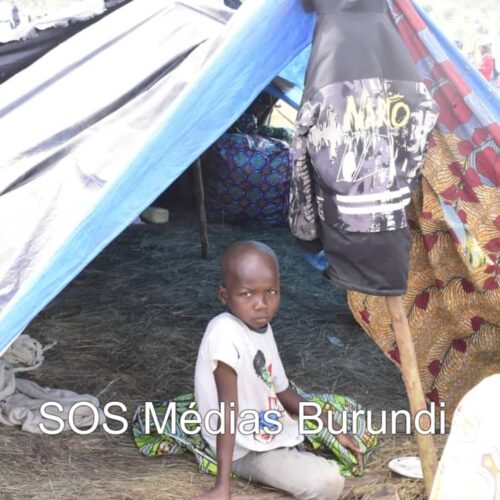
Burundi : Refugee families fleeing war, separated from loved ones and facing uncertainty
SOS Médias Burundi Ruyigi, January 14, 2026 – The war in eastern DRC has caused thousands of civilians to flee, often separated from their families. The small east African nation

Kakuma : malaria kills silently in a camp in distress
SOS Médias Burundi Kakuma, May 20, 2026 — Refugees in the Kakuma camp in northwestern Kenya are facing an alarming resurgence of malaria. The disease is spreading rapidly in the