Burundi : entry ban for people who have stayed in areas controlled by the AFC-M23
SOS Médias Burundi
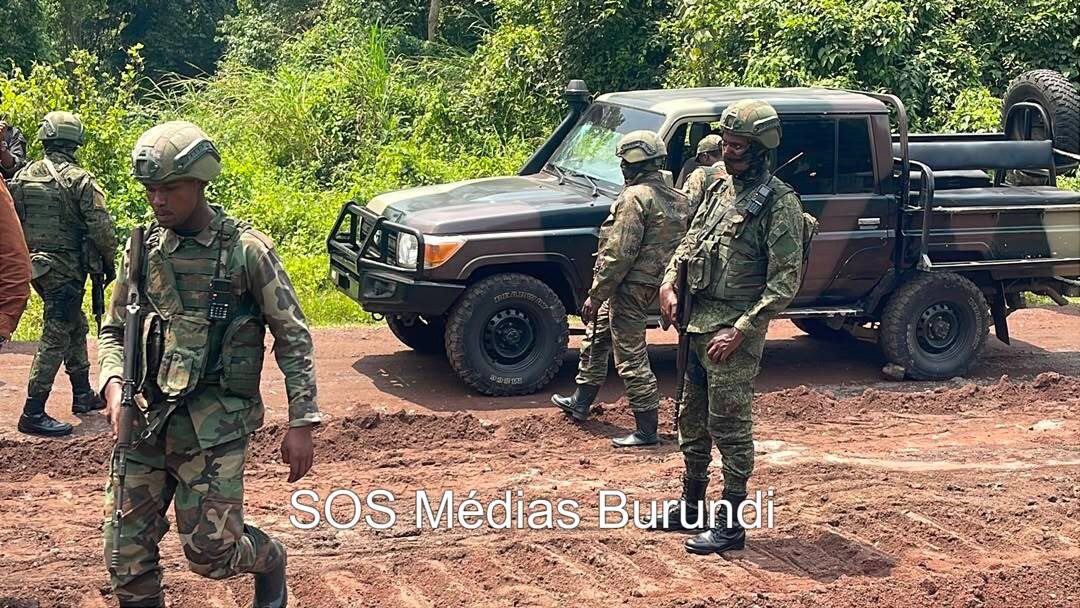
Bujumbura, October 2, 2026 — Burundi is tightening entry requirements for people coming from areas in eastern Democratic Republic of Congo (DRC) controlled by the AFC-M23. The Minister of the Interior, Public Security, and Community Development, Léonidas Ndaruzaniye, announced on Thursday that people originating from these territories, as well as those who have simply transited through them, will not be allowed to enter Burundi. According to him, the measure also applies to United Nations personnel working in these areas.
“We are Kinshasa’s allies”
Léonidas Ndaruzaniye was speaking during a meeting with police officials in Bujumbura, Burundi’s commercial capital.
According to reports from the meeting, the minister stated that he was receiving numerous calls from people asking him to reconsider the decision or to allow them to transit through the Burundian territory or to stay there. He nevertheless asserted that he would not back down.
“I am receiving many calls, but I will never give in,” he declared, according to the reports. The minister then continued his address behind closed doors.
“We are Kinshasa’s allies,” he affirmed, emphasizing the need to never “let our guard down.”
After Bujumbura, the minister is scheduled to continue his “moralizing talks” with police officers in the country’s four other provinces. The next stop is Gitega, the political capital.
A measure also targeting UN personnel
The decision announced by Gitega also concerns Congolese citizens residing in areas administered or controlled by the AFC-M23, as well as United Nations personnel working there.
According to the minister’s statements reported on Thursday, these individuals would not be allowed to enter Burundi if they come from or have transited through these areas.
However, the authorities have not yet made public the precise details of this measure, including its effective date, the documents that will be required at the borders, or any possible exceptions.
At this stage, no public legal text detailing this general ban, its implementation procedures, or its exceptions has been identified.
Reinforced border controls
The Gatumba-Kavimvira border post, between Bujumbura and Uvira, was closed after the AFC-M23 took control of Uvira in December 2025. It reopened on February 23, 2026, with the resumption of immigration procedures.
Local sources have been reporting for several months increased controls targeting certain travelers coming from areas controlled by the AFC-M23. Entry refusals and arrests have also been reported.
Difficulties are also being reported on the Kobero axis, on the border between Burundi and Tanzania, particularly for people from the sub-region wishing to reach Bujumbura or South Kivu.
Two businessmen from Kirundo have also been missing for several weeks, according to their relatives and local sources who claim they were arrested in Kobero by agents of the National Intelligence Service (SNR). No official confirmation of their arrest or disappearance has been made public.
A decision in a context of war
The decision announced in Bujumbura comes amid high tensions in eastern DRC. The AFC-M23 notably controls Goma, the capital of North Kivu, and Bukavu, the capital of South Kivu.
Kinshasa and Gitega accuse Rwanda of supporting the AFC-M23. Kigali rejects these accusations and disputes several reports alleging its support for the rebel movement.
The situation in eastern DRC has also led to significant population displacements to neighboring countries, particularly Burundi.
According to the United Nations High Commissioner for Refugees (UNHCR), approximately 142,000 new arrivals from eastern DRC were registered in Burundi between January 2025 and March 31, 2026. Some 109,000 of them had arrived since December 6, 2025. These figures remained provisional.
More than 29,000 Burundian soldiers are deployed in the DRC.
Gitega’s position is also part of its military commitment alongside Kinshasa in eastern DRC.
A Congolese internal report on security and territorial administration, consulted by SOS Médias Burundi, indicates that 29,862 Burundian soldiers were deployed to the DRC between August 2022 and December 2025. They fought alongside the Armed Forces of the DRC (FARDC) and the Kinshasa-backed Wazalendo militias against the AFC-M23.
The Burundian deployment began in August 2022 as part of an agreement between Gitega and Kinshasa, before becoming involved in various operations against armed groups in the provinces of North Kivu and South Kivu.
Regional relations remain strained
Gitega’s new position also comes at a time when its relations with Kigali remain strained.
Burundi closed its land border with Rwanda in January 2024 after accusing Kigali of supporting the RED-Tabara group. Rwanda rejected these accusations and regretted the unilateral closure of the border.
Rwanda, for its part, accuses Burundi and the DRC of supporting the Democratic Forces for the Liberation of Rwanda (FDLR), a Rwandan Hutu armed group, some of whose members are accused of participating in the 1994 genocide against the Tutsis in Rwanda. Kigali has been denouncing the presence and activities of this group in eastern DRC for several years.
Concerns about the movement of people
South Kivu maintains significant economic, familial, and commercial ties with Bujumbura, Burundi’s commercial capital. Many Congolese also use the Burundian territory as a transit route or refuge when fighting intensifies in eastern DRC.
The new measure could therefore affect people who have stayed in areas controlled by the AFC-M23, but also those who simply transited through them before attempting to reach Burundi.
It could also affect aid workers, traders, international officials, and other travelers, depending on how the authorities decide to implement the measure.
The authorities in Gitega have not yet specified the criteria for determining who will be affected, the procedure applicable to Burundian citizens, or the appeal mechanisms in case of denied entry.
The actual scope of the measure will therefore depend on the directives given to the services responsible for control at the various points of entry into the country.
Local and foreign observers are already expressing concern about the consequences of this decision on population movements between South Kivu and Burundi. Some describe the minister’s remarks as “crazy statements” and believe that such a broad ban could cause a “catastrophe” for the people of South Kivu, particularly for those fleeing the fighting and using Burundi as a transit route or refuge.
These observers are also concerned about the consequences for humanitarian workers and international staff present in areas controlled by the AFC-M23, particularly if no clear exceptions are made.
You might also like

Cibitoke : massive influx of Congolese refugees, more than 47,000 people received urgently
In less than two weeks, the province of Cibitoke has seen an influx of nearly 50,000 Congolese refugees fleeing violence in their country. This massive displacement, composed mainly of women
Bujumbura : Banyamulenge in turmoil, arrests on the rise
SOS Médias Burundi Bujumbura, September 14, 2026—Several members of the Banyamulenge community have been arrested in recent days in Bujumbura, Burundi’s commercial capital, by Burundian intelligence services, amid heightened tensions

Musenyi : cross-border solidarity – Angéline Ndayishimiye and Denise Nyakeru Tshisekedi meet with Congolese refugees
SOS Médias Burundi Musenyi, April 30, 2025 – First Ladies of Burundi and the Democratic Republic of Congo made a joint visit to the Congolese refugee site of Musenyi, in