
Burundi : fertilizer shortages overwhelm farmers, the government under fire
SOS Médias Burundi
Gitega, October 29, 2026 — The fertilizer shortage continues to plague Burundian farmers. Between insufficient quantities distributed, delayed reimbursements, and difficulties in recovering money already paid, many farmers are denouncing a situation that is jeopardizing their harvests. In Gitega, in central Burundi, which is also the country’s political capital, many farmers fear a drop in production for the 2026 farming season, with consequences for household incomes and food security.
For several seasons, farmers have struggled to obtain the quantities of fertilizers necessary for their crops. In Kibiri, in the Gitega district, 49-year-old Joseph Hatungimana denounces a distribution system he considers unfair.
“Since 2020, we haven’t been receiving enough fertilizers.” “Some farmers receive them, while others receive nothing at all,” he says.
He also laments the difficulties encountered in recovering money already paid for previous orders.
“Instead of providing us with the fertilizers we need, we are given vouchers to redeem the money paid from microfinance institutions and commercial banks,” he explains.
Faced with this situation, Joseph Hatungimana is asking the government to authorize traders to import fertilizers in order to increase the supply on the market and facilitate access for farmers.
In Jimbi, in the same district, Joselyne Manirambona, 30 years old, believes that the quantities distributed are far from meeting the needs of farmers. For the 2026 farming season, she says she needs two bags of Imbura fertilizers and one bag of urea.
“The 16 kg of fertilizers we receive is paltry compared to our needs,” she laments.
To mitigate the effects of this shortage, she is considering using organic fertilizers produced in composting facilities. However, she fears this solution will not be enough to compensate for the lack of agricultural inputs.
“If we don’t produce enough, our families risk suffering the consequences, particularly food insecurity,” she warns.
She also regrets what she sees as the lack of a sustained response from the authorities to the difficulties in obtaining fertilizers.
These current problems come on top of the repayment delays accumulated over previous seasons. Evariste Gahungu, 72 years old, a farmer from Rweza village in the Gitega district, says he is still waiting for the necessary documents to recover the money owed to him.
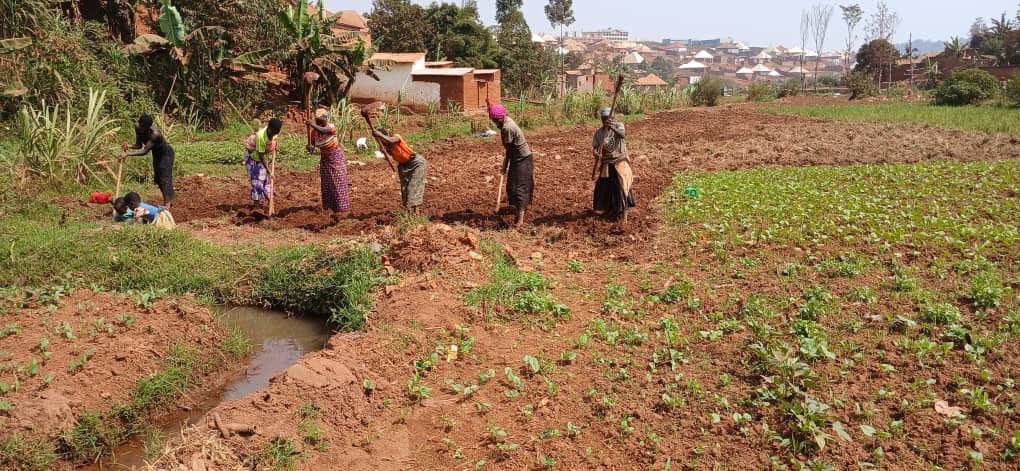
Farmers in a marsh in Gitega province, central Burundi, denounce the lack of fertilizers, a situation that threatens harvests and raises fears of increased food insecurity (SOS Médias Burundi)
“For the 2025 farming season, I’m still waiting for five vouchers that should allow me to collect my money,” he says.
For the 2026 farming season, he claims to have received only 16 kg of fertilizers, whereas he estimates he needs at least three bags for his crops.
“With so few fertilizers, how can I hope to harvest enough to provide for my family, pay my children’s school fees, and cover healthcare expenses?” he asks.
The farmer also criticizes the government for failing to provide a satisfactory response to the difficulties faced by farmers.
The situation is equally concerning in the district of Bugendana. According to farmers, the quantities distributed vary between 12 and 14 kg of fertilizers, whereas they paid for 16 kg. They are asking the authorities to explain these discrepancies and guarantee a regular supply of agricultural inputs.
For its part, the FOMI (Fertilisants Organo-Minéraux Industries) factory, which specializes in fertilizer production, is facing a significant shortage of foreign currency needed to import the raw materials essential to its production. These difficulties are contributing to tensions in the national market for agricultural inputs.
The consequences of this shortage were already discussed in a previous article by SOS Médias Burundi, which warned of the risks to harvests and food security.
Farmers interviewed fear that the lack of fertilizers will further reduce yields for the A farming season and exacerbate household economic hardship. They are calling on the authorities to guarantee the availability of agricultural inputs, pay farmers the amounts owed, and implement sustainable measures to improve access to fertilizers.
….,
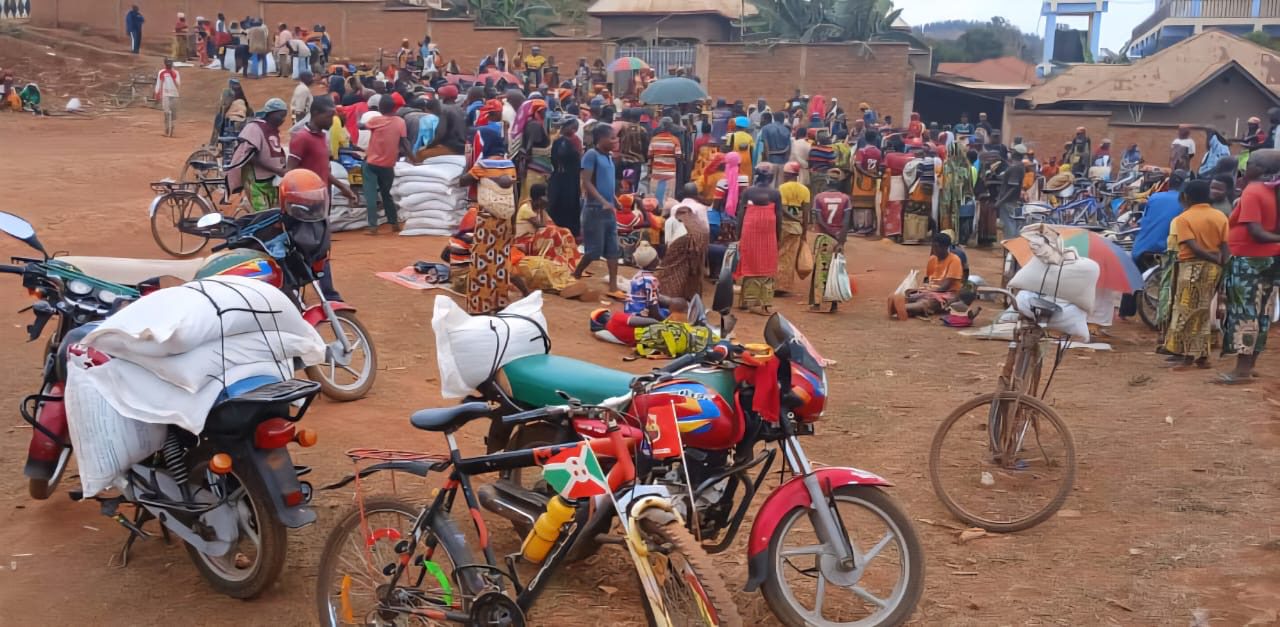
A fertilizer distribution point, where the available quantities are insufficient to meet farmers’ needs, is besieged by farmers in Gitega, central Burundi, in October 2026 (SOS Médias Burundi)
You might also like

Burundi : employees unable to meet their basic needs according to two local labor union confederations
The CSB (Confederation of Free Labor Unions of Burundi) and the COSYBU (Confederation of Labor Unions of Burundi) deplore the current economic situation with insufficient income among workers. The two

Burundi : consumers overwhelmed by the general rise in prices
Burundi is experiencing a sort of cascading price increase for basic necessities. This leads to the high cost of the living. The purchasing power of the inhabitants has not changed.


Bunyoni-affair: it’s a war between two titans (Frédéric Bamvuginyumvira)
On Monday, the spokesperson for the Attorney General of the Republic announced that the Burundian courts are prosecuting former Prime Minister Alain Guillaume Bunyoni for “undermining the internal security of