
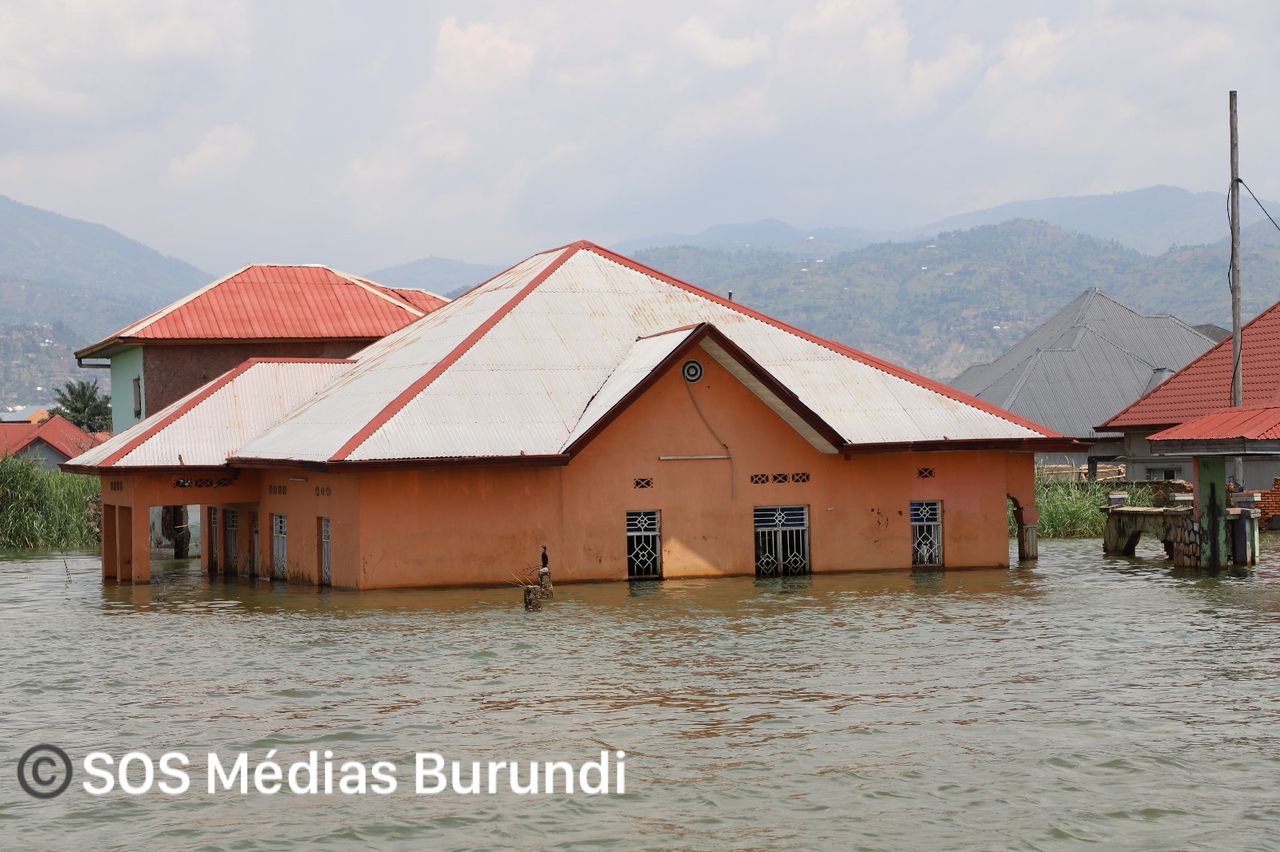
Pollution of Lake Tanganyika : the uncontrolled extraction of construction materials is a cause for concern
SOS Médias Burundi
Bujumbura, April 16, 2025 – Lake Tanganyika, an ecological and economic jewel of East Africa, is increasingly threatened by growing pollution. The cause : the uncontrolled extraction of sand, rubble, and gravel from the Ntahangwa, Muha, and Mugere rivers, which originate in the mountains overlooking the commercial capital, Bujumbura. These activities, carried out without compliance with environmental standards, have contributed to the deterioration of the lake’s ecosystem for years.
A lucrative but destructive activity
On the ground, extractions are carried out by workers often untrained in good environmental protection practices. Using shovels, picks, and sometimes rudimentary machinery, they dig the riverbeds, altering their natural flow and worsening bank erosion. During the rainy season, the extracted materials flow directly into Lake Tanganyika, exacerbating its pollution.
“We only think about the immediate gain. No one measures the long-term impact of this destruction,” says a resident of the Kinanira neighborhood, who has witnessed the worrying evolution of the Ntahangwa River.
An alarming ecological impact
The resulting pollution seriously affects the lake’s biodiversity. Endemic fish species, essential to fishing and the livelihoods of many families, see their habitat threatened by sediment and waste from illegal quarries.
“Water turbidity increases, oxygen decreases, and this stifles aquatic life,” explains a local biologist. “Some areas that were once rich in fish are now deserted.”
Lake Tanganyika, renowned for the exceptional quality of its freshwater, is also one of the largest freshwater reserves on the African continent. According to the Basket Fund, an international environmental conservation organization, the lake’s pollution endangers not only local ecosystems but also the drinking water supply of millions of people living around the lake in countries such as Burundi, Tanzania, the Democratic Republic of Congo, and Zambia.
Administrative laissez-faire denounced
The silence of local authorities is worrying. Despite warnings from environmental activists, no concrete measures have been taken to regulate these practices and enforce environmental laws. The authorities are accused of turning a blind eye to the situation, despite the obvious ecological impact.
“The extractors pay derisory taxes compared to the profits they make from this activity,” laments a civil society activist. “The state is not only losing money, but also compromising the ecological health of a common good.”
What solutions are there?
To stem this trend, experts are calling for strict enforcement of environmental standards and the regulation of extractive activities. The involvement of local communities in the sustainable management of natural resources and a fairer taxation system could also help preserve the lake’s ecological integrity.
Without swift and coordinated action, Lake Tanganyika could lose its vital role in the economy, food security, and freshwater supply for millions of people who depend on it.
You might also like
Burundi-DRC: the overflow of Lake Tanganyika paralyzes cross-border activities
At the Kavimvira border post, the constantly rising waters of Lake Tanganyika are paralyzing activities. The road which connects Burundi to the Democratic Republic of Congo via Kavimvira is no
Bujumbura: several houses collapse following a crack of a ravine
A dozen houses have been crumbling in the district of gikungu in the area of gihosha (commune of ntahangwa, North of bujumbura). This is following a large fissure that manifested

Mugamba: several fields washed away by rains mixed with hail
Heavy rains mixed with hail have hit the commune of Mugamba in the province of Bururi (southern Burundi). Several fields have been destroyed. Many households are in total desolation and