
Burundi : the public transportation crisis spreads, passengers and businesses on their knees
SOS Médias Burundi
Bujumbura, July 29, 2025 – In Burundi, a strike by bus and taxi drivers has paralyzed travel throughout the country since last Sunday. Fueled by fuel shortages and government sanctions, this crisis is plunging travelers and businesses into increasing disarray, while authorities struggle to find a solution.
The public transportation crisis is worsening in Burundi. Since last Sunday, the strike by bus and taxi drivers, initially localized, has spread to all bus stations across the country. This paralysis is seriously disrupting traffic on major roads, affecting thousands of passengers every day.
RN3 paralyzed, anger in parking lots
This weekend, the National Road 3 (RN3), connecting Bujumbura, the commercial capital, to Rumonge in southwest Burundi, was blocked by a spontaneous stoppage of buses and taxis. In the Cotebu parking lot, north of the capital, as in other terminals, there were no vehicles in sight, only bewildered travelers.
“We’re stuck here with no way out. Even if I were asked to pay ten times the price, I would. I have an urgent work in the provinces,” laments a passenger.
Fuel at the heart of the conflict
Drivers denounce the inconsistency between the government’s demand to respect regulated prices and the persistent fuel shortage.
“Let the government first make fuel available to us, and then it can demand compliance with official prices,” says a driver we met in Kanyosha, south of Bujumbura.
Faced with this protest, the government is imposing fines of up to one million Burundi francs on violators and organizing flagrante delicto trials, worrying the transport unions.
Burunga: ruined traders, desperate users
In Burunga province, in southern Burundi, the economic and social consequences are terrible. In Makamba, women traders are seeing their perishable products deteriorate due to their inability to transport them to market.
“Our vegetables are already rotten. Our entire business relies on these sales. It’s a disaster,” laments one of them.
Some travelers, forced by medical emergencies, pay exorbitant sums to travel more than 150 km by motorcycle, sometimes three to a single vehicle.
A dilemma for transporters
Buy fuel on the black market—sometimes five times the official price—and operate at a loss, or risk sanctions? For many, the choice is impossible.
“Even fuel coupons, supposed to be an alternative, are offered at tenfold higher prices,” drivers complain.
Tensions and calls for a solution
The civil society is calling for the creation of a dialogue committee between authorities, carriers, and users. Drivers are demanding regular refueling at gas stations or a price revision.
Pending a compromise, the roads remain deserted, the markets are drying up, and the population, held hostage, continues to pay the high price of this standoff.
You might also like
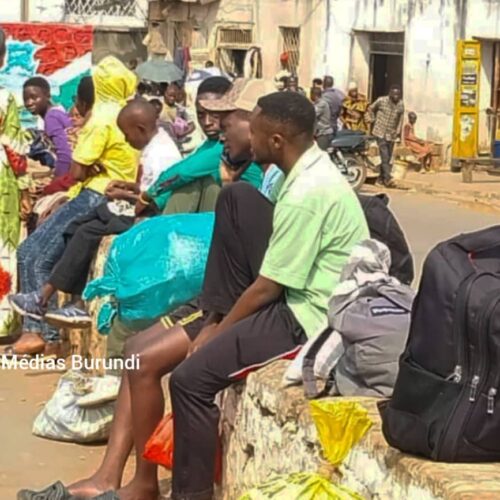
Fuel crisis: in Kirundo, travelers lament the lack of transport buses
The prolonged fuel crisis affects passengers and transporters in the Kirundo province in northern Burundi. Cimmuters complain of missing transport buses while transporters say they are working at a loss.
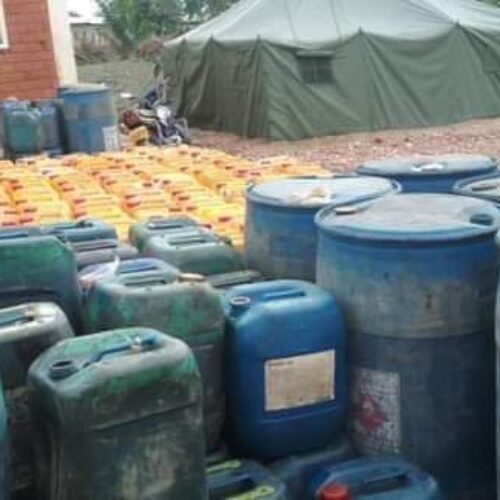
Rumonge : intelligence seized a large quantity of fuel
This is a quantity of at least 2500 liters of fuel. The seizure took place in the Swahili neighborhood in the town center of the province of Rumonge (southwest Burundi).

Rumonge: the provincial court to discourage fraud
Two men were sentenced to 6 years in prison and to pay 500,000 Burundian francs as a fine after being convicted of fuel fraud and damage to the national economy.