
Photo of the week-Cholera epidemic : 226 cases registered in northwestern Burundi, MSF comes to the rescue
Since the beginning of September, 226 cases of cholera have been recorded in the districts of Cibitoke and Bukinanyana, in Bujumbura province in western Burundi. Overwhelmed, treatment centers are now benefiting from the support of Médecins Sans Frontières (MSF), as the epidemic worsens, fueled by a lack of safe drinking water and sanitation infrastructure.
The cholera epidemic is intensifying in the northwest of the small east African nation. According to the chief medical officer of the health district of Cibitoke, 226 people contracted the disease between September 4 and 18. Of these, 84 are currently being cared for at the cholera treatment center set up in Rugombo, while 130 patients have already been able to regain their homes.
“We are doing our best to treat patients with the support of Médecins Sans Frontières. In parallel, we are multiplying awareness sessions and chlorination of water in households,” explains the doctor.
A rare and often polluted water
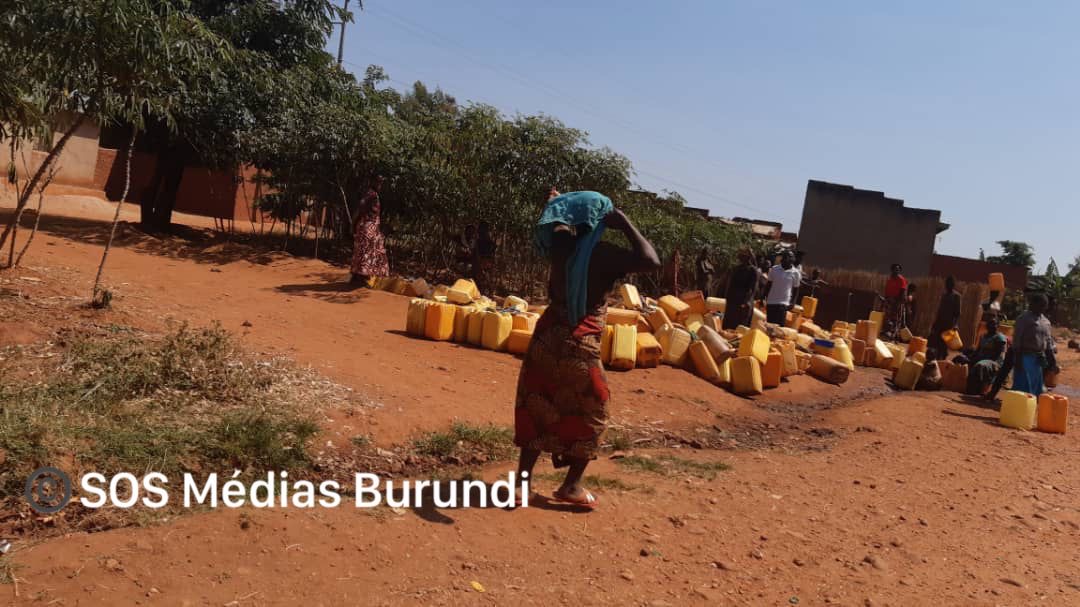
In several localities, residents point the finger at the lack of drinking water. Wells sometimes remain dry for several weeks, forcing families to feed themselves in the Nyakagunda, Nyamagana, Muhira, Kaburantwa, Rusizi rivers or even in the swamps. These water points are however regularly contaminated by pesticides used in agriculture.
To this lack of drinking water is added another difficulty : many households do not have adequate latrines, which facilitates the spread of diseases.
A call for reinforced help
The villages of Mparambo, Rubuye, Kagazi, Rusiga, Ruhagarika, Nyakagunda, Samwe, Munyika, Dogodogo, Rukana, Ndava and Nyamitanga are among the most affected areas. Faced with this alarming situation, the district chief medical officer called on the authorities to step up mobilization.
“The epidemic is progressing rapidly. We need increased support from humanitarian organizations,” he warns.
Our photo : s woman runs to a public fountain where several housewives wait for a drop of drinking water in the town center of Cibitoke, September 2024 (SOS Médias Burundi)
You might also like
Photo of the week: UNHCR-Uganda investigates the reasons for the non-voluntary repatriation of Burundian refugees
For almost two weeks, UNHCR has been conducting interviews with Burundian refugees to find out why they do not want to return voluntarily and en masse. Those concerned do not
Photo of the week : massive mobilization of Imbonerakure on borders
While the security situation in the DRC is deteriorating, a wave of mobilization of young people affiliated with the ruling party is being observed in Burundi. According to several sources,

Photo of the week-Gitega : a school for blind children appeals for help in the face of urgent needs
The Santa Lucia Primary School in Mushasha, located in the city of Gitega, the political capital of Burundi, in the center of this small East African nation, is sounding the