
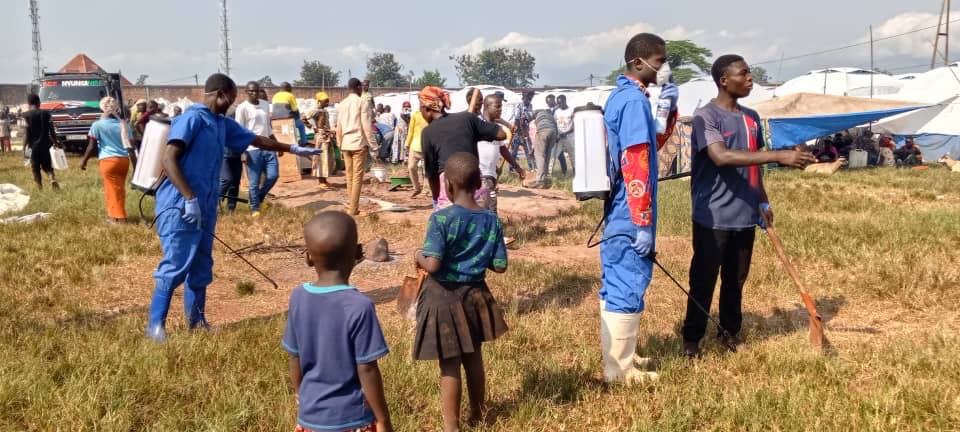
Cibitoke and Bukinanyana hit by cholera : 13 deaths and nearly 500 cases recorded
SOS Médias Burundi
Cibitoke, October 4, 2025 – Since September 4, a cholera epidemic has struck several villages in the districts of Cibitoke and Bukinanyana, in northwestern Burundi. According to health authorities, 479 people have been infected, but medical sources estimate a total of 492 cases, including 13 deaths. Despite the joint efforts of the Ministry of Health, Médecins Sans Frontières (MSF), and the Red Cross, residents denounce a lack of transparency and measures deemed insufficient to stop the spread of the scourge.
The cholera epidemic, which began on September 4, continues to spread across several villages in the districts of Cibitoke and Bukinanyana. The most affected areas are Mparambo, Nyakagunda, Samwe, Munyika, Rusiga, Rukana, Kagazi, Gasenyi, Ndava, and Nyamitanga.
Cholera has already claimed the lives of 13 people, including five children and eight adults, according to medical sources who spoke to SOS Médias Burundi in the Rubuye sub-village.
In Nyakagunda village, seven people—including three children—have died. In Rukana, in the Binyange sector of Mbaza-Miduha, five deaths have been recorded (two children and three adults). Finally, in Rusiga, an elderly person has also lost their life.
Authorities report that 470 patients have been cured and nine others remain hospitalized at the Rugombo treatment center.
Local authorities forced to silence
Despite the gravity of the situation, several local sources report that local authorities have been ordered not to report on the deaths.
“We were forbidden to talk about the deaths because it would give a bad impression,” confided an anonymous administration official from an affected village.
Residents question this silence and fear that it will prevent the population from fully understanding the danger.
“If we hide the figures, people won’t take precautions,” laments a father from Mparambo.
Healthcare workers on the ground, but muzzled
The NGO Médecins Sans Frontières (MSF), present in the region to treat the sick, confirms the gravity of the situation but is reportedly not authorized to make public statements. This silence, according to several residents, reinforces the feeling of opacity and mistrust of health authorities.
Unsafe water at the heart of the problem
Beyond the imposed silence, the causes of the epidemic remain well known. When asked about the situation, the chief medical officer of the Cibitoke health district expressed reservations. However, he welcomed the efforts undertaken to contain the disease : awareness campaigns, home disinfection, and the distribution of hygiene products, in collaboration with the Red Cross and several humanitarian NGOs, including MSF.
The medical official nevertheless called on the government to improve access to drinking water, believing that the main cause of cholera remains the use of contaminated water :
“People use water from rivers and marshes, often polluted by agricultural chemicals. This is the source of the problem.”
Cholera spreads rapidly
Cholera, an acute diarrheal disease caused by the ingestion of contaminated water or food, spreads rapidly in areas with poor access to drinking water and sanitation.
Cases of cholera have also been reported in the north of the commercial capital, Bujumbura, where access to drinking water remains a contributing factor.
A health emergency under fragile control
While the situation appears to have stabilized according to health services, the population remains vulnerable. The affected villages live in precarious conditions, without sufficient sanitation infrastructure or sustainable access to clean water.
As the rainy season approaches, vigilance remains essential. Without sustainable access to drinking water and transparent communication, Burundi risks facing a new epidemic outbreak in the coming weeks.
You might also like
Kayanza : the only morgue saturated, residents forced to bury their loved ones in a hurry
The Kayanza province (northern Burundi) has only one morgue. It is therefore too busy, and recently, it was saturated and the hospital is forcing families to quickly organize the burial
Kayanza : at least 16 people bitten by stray dogs
At least 16 people from the districts of Kayanza, Gatara and Muruta in Kayanza province (northern Burundi) have been bitten by stray dogs. The population speaks of panic “especially since

Cholera outbreak in Gihanga : twenty cases reported, three deaths, health authorities on alert
SOS Médias Burundi Mpanda, October 15, 2025 – For nearly a month, the Gihanga area, in the district of Mpanda in Bujumbura province in western Burundi, has been facing a