Mahama mourns Léonard Ngendakumana, refugee advocate and iconic coach
SOS Médias Burundi
Mahama, December 18, 2025 – A Burundian refugee since the 2015 crisis, triggered by the controversial third term of the late President Pierre Nkurunziza, Léonard Ngendakumana, originally from Muramvya – now part of Gitega under the new administrative division implemented following the June elections – has passed away, leaving behind a legacy of dedication and resilience.
A leader serving refugees
Léonard Ngendakumana joined the Mahama camp from its very beginning. “I’ve known Mahama since it was built. I remember the tents, the cold, the rain, the illnesses, and the births in the streets before the camp developed,” he recounted in 2020, expressing his joy at seeing the roads laid out and the camp becoming organized. “The camp developed right before my eyes,” he added.
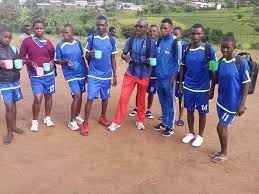
He quickly became the camp leader, focusing on establishing order and guiding the youth : “We reorganized the camp, established order, especially among the young people,” he explained.
A voice for the voiceless, he advocated for improved living conditions, particularly in terms of healthcare, water, sanitation, and youth support. His outspokenness sometimes drew criticism, with some considering him “a nuisance.” Nevertheless, he remained a key contact for the media and activists seeking to report on life in the camp.
In 2016, he was replaced as head of the camp but continued to play an influential role within the refugee committee.
Athletics coach and promoter
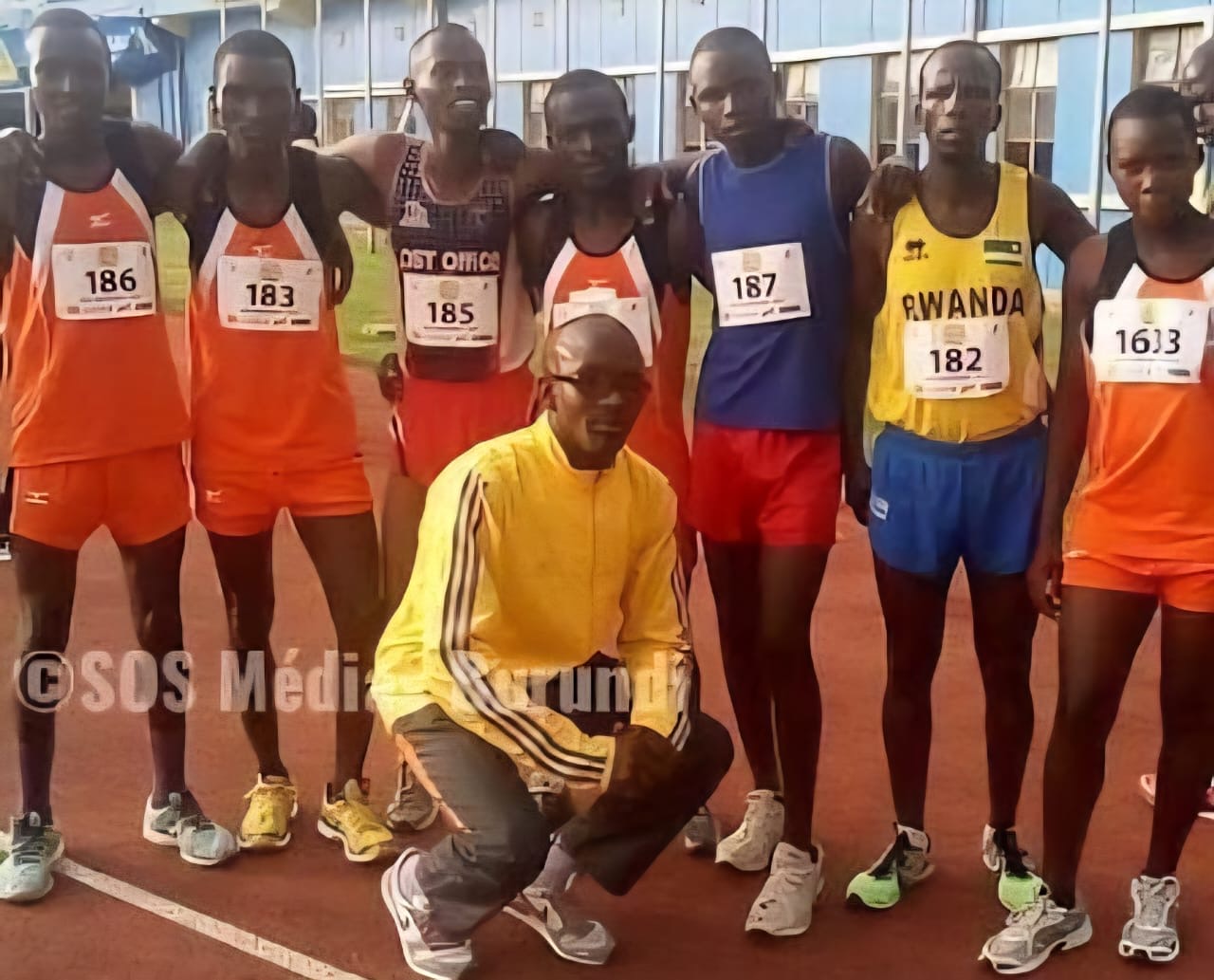
Nicknamed “Coach” by many young people, Léonard Ngendakumana has been coaching athletics since his home province of Muramvya before his escape. He brought this talent to the Mahama camp, where he trained several generations of athletes.
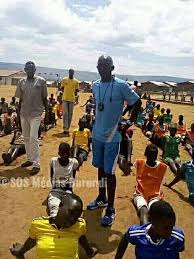
“He is a coach for life. He is the reason for our athletic pride here in Mahama. We have participated in numerous local, national, and international competitions thanks to him,” testifies an athlete trained by Léonard.
His motto : “Perseverance. Resilience. Achievement at all costs.” Despite the obstacles, he advocates with the Rwandan authorities and the national athletics federation to support his athletes. His efforts bore fruit in 2023, when several young people participated in the Peace Marathon with official support.
A battle against illness
His health began to decline in April 2025, with severe pain in his right side. In June, a CT scan revealed a chest tumor, with a risk of developing into cancer. Subsequent tests confirmed liver cancer.
Faced with the high cost of treatment—nearly 15 million Rwanda francs—and the UNHCR’s refusal to cover the majority of the expenses, he appealed to people of goodwill and the Rwandan government. “Where can I find this colossal sum while I am destitute, vulnerable, a poor refugee living on UNHCR food assistance? They are signing my death warrant,” he lamented.
He became addicted to morphine to alleviate his pain, while continuing to raise awareness in the community about his situation and to mobilize funds for his treatment.
A final tribute
Léonard Ngendakumana passed away on Sunday morning, December 14, 2025, leaving behind a large family of eight members living in the Mahama camp. He was laid to rest on Tuesday, December 16, 2025, in the Kirehe district of eastern Rwanda.
Through his commitment, courage, and dedication, Léonard Ngendakumana remains a voice for the voiceless, a role model for young people, and a symbol of resilience for all refugees.
You might also like
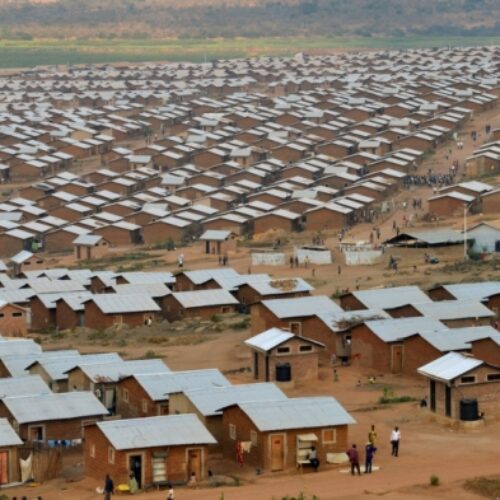
Mahama (Rwanda) : the assistance to refugees is becoming more and more problematic
The UNHCR has made changes to the fuel gas distribution system for refugees in the Mahama camp in Rwanda. This assistance has been cut in half. The refugees cry out
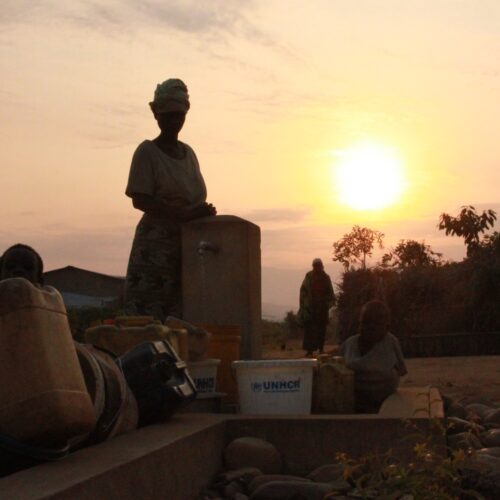
Burundi : a demographic bomb in a country with a fragile economy
SOS Médias Burundi Bujumbura, July 15, 2025 – The small east African nation is facing unprecedented population growth. Having grown from 8.5 million inhabitants in 2008 to over 13 million
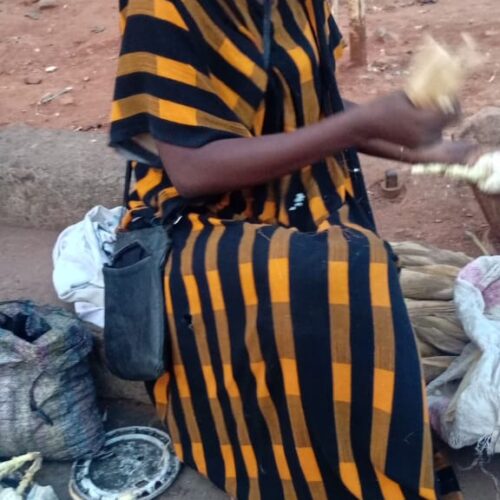

Bujumbura : street vendors – “We no longer survive, we’re enduring”
SOS Médias Burundi Bujumbura, July 29, 2025 – Faced with soaring prices, women street vendors in Bujumbura, the commercial capital of Burundi, are struggling to survive. Their small businesses, the