

Bujumbura : cholera reappears in Buyenzi, authorities strengthen sanitation measures
SOS Médias Burundi
Bujumbura, May 15, 2026 – Four cases of cholera have been reported in the Swahili neighborhood of the Buyenzi zone, in the Mukaza district, in the heart of Burundi’s commercial capital. This resurgence comes as authorities are stepping up sanitation measures in several neighborhoods of Bujumbura to prevent the spread of diseases linked to poor hygiene.
According to information gathered on site, the cases are mainly concentrated on 5th and 7th Avenues of the former Buyenzi neighborhood, now called Swahili. Three patients are from 5th Avenue and one from 7th Avenue. All are currently receiving treatment in various health facilities in Bujumbura.
Residents are expressing deep concern about the risk of the epidemic spreading, particularly given the persistent shortage of drinking water in several areas of the city. Some are also denouncing the unsanitary conditions that characterize this working-class neighborhood and are especially worried about the health of young children.
“Without drinking water, it becomes difficult to follow basic hygiene rules,” laments a resident contacted on site. Other residents believe that the accumulation of garbage and the poor condition of the gutters contribute to the spread of waterborne diseases such as cholera.
A local administrative authority confirms the recorded cases and acknowledges that the neighborhood is facing a serious sanitation problem. According to this source, the lack of drinking water and poor hygiene risk worsening the situation if urgent measures are not taken.
The administration is therefore calling on residents to strictly adhere to hygiene rules, including regular handwashing, drinking clean water, and maintaining the areas around their homes. She also called on the Ministry of Public Health to intervene quickly to contain the outbreak.
The government is strengthening sanitation measures.
This health alert comes as the Burundian government intensifies its national urban sanitation campaign. On Wednesday, the Minister of the Interior, Community Development, and Security, Léonidas Ndaruzaniye, accompanied by the Minister of Public Health, Fidèle Nkezabahizi, toured several neighborhoods in Bujumbura to assess the implementation of the new hygiene measures.
Following this visit, the authorities gave a two-week ultimatum to owners of plots of land along the main roads in Bujumbura to develop and pave the areas between their fences, the roads, and the drainage ditches. Restaurants, bars, and markets in the districts of Mukaza, Mugere, and Ntahangwa were also inspected.
According to the government, this policy aims to improve public health and prevent diseases linked to poor sanitation. Violators face penalties ranging from fines to the temporary closure of their facilities.
However, this sanitation campaign has drawn criticism from residents. Many denounce the high costs in a difficult economic climate, while others regret the lack of a uniform model for the development projects undertaken in the capital’s various neighborhoods.
The Imbo Plain in western Burundi remains one of the regions most vulnerable to cholera epidemics, particularly during the dry season when drinking water shortages become more frequent.
You might also like
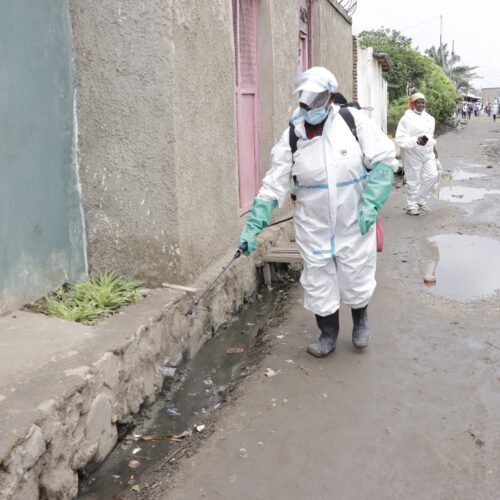
Burunga on alert : cholera is gaining ground, authorities mobilized
SOS Médias Burundi Burunga, December 9, 2025 – 260 confirmed cases in Mvugo and Mugerama, 2 deaths, and new outbreaks detected in Rutumo : the cholera epidemic is spreading rapidly

Rumonge: fear of cholera cholera following the lack of drinking water
The inhabitants of the villages of the hill and zone of gatete let us know that they consume the water of the rivers gafunzo and buzimba for two weeks. Info

Bujumbura : the Secretary General of the CNDD-FDD returns to the country after a hospitalization abroad
Révérien Ndikuriyo arrived at the international airport of Bujumbura (commercial capital of Burundi) in the afternoon of this Thursday, February 20, 2025. This happens after the hospitalization in Dubai and