Photo of the week-Mahama : the UNHCR wants to review its refugee assistance system
In Rwanda, humanitarian agencies and authorities responsible for refugee management have launched a comprehensive assessment of living conditions and the assistance system in the camps, particularly in Mahama. This initiative aims to review the mechanisms for targeting food and cash aid, which are strongly contested by some beneficiaries.
The United Nations High Commissioner for Refugees (UNHCR), in collaboration with the World Food Program (WFP) and the Ministry of Emergency Management (MINEMA), has launched a comprehensive assessment of the humanitarian assistance system in the Mahama refugee camp in eastern Rwanda.
This operation comes after several protests related to the social categorization system implemented over a year ago, which has led some refugees to lose all cash and food assistance.
A household-by-household survey
The ongoing assessment is being conducted house by house. Heads of households are being asked to answer a series of questions, including questions about their identity, living conditions, diet, housing, clothing, any monthly income, and their future plans.
According to a source close to the matter, the goal is to obtain an accurate picture of the actual living conditions of refugees in the Mahama camp.
Officials from the UNHCR, the WFP, and MINEMA are calling on refugees to actively participate in this exercise, which they describe as beneficial for the affected populations.
“They want to improve the food and cash assistance system. The social categories have created a lot of frustration because they were not based on a survey deemed objective by the refugees,” explains a volunteer involved in this operation, which is expected to last more than a month.
Highly contested social categories
For over a year, refugees in Mahama have been divided into three categories based on their perceived level of vulnerability.
Those considered the most vulnerable receive approximately 6,800 Rwandan francs per month, while those deemed less vulnerable receive half that amount. Refugees classified in the third category, presumed to have monthly incomes, receive no financial assistance.
This classification continues to provoke anger and incomprehension in the camp.
“Everyone here is vulnerable. We left our homes, lost our livelihoods, and depend on the UNHCR to survive. We should be treated the same,” several Burundian refugees complain.
Residents of the camp also accuse the current system of classifying some elderly, disabled, or unemployed people among the refugees who receive no assistance.
A project to empower and transform the camps
According to the UNHCR, this assessment also aims to prepare a more suitable economic empowerment and social reintegration program for refugees.
The Rwandan government, with the support of its humanitarian partners, also intends to gradually transform the refugee camps into “integrated villages,” as part of the “Integrated Settlements” program.
The data collected will also be used in a broader study conducted by Enviro-Climate Nexus Knowledge Hub Solutions Ltd, in partnership with the UNHCR and the Ministry of Water and Aquatic Environments (MINEMA), in the refugee camps as well as among urban refugees living in Kigali and Huye, in the south of the country.
Rwanda currently hosts more than 138,000 refugees, primarily from the Democratic Republic of Congo and Burundi.
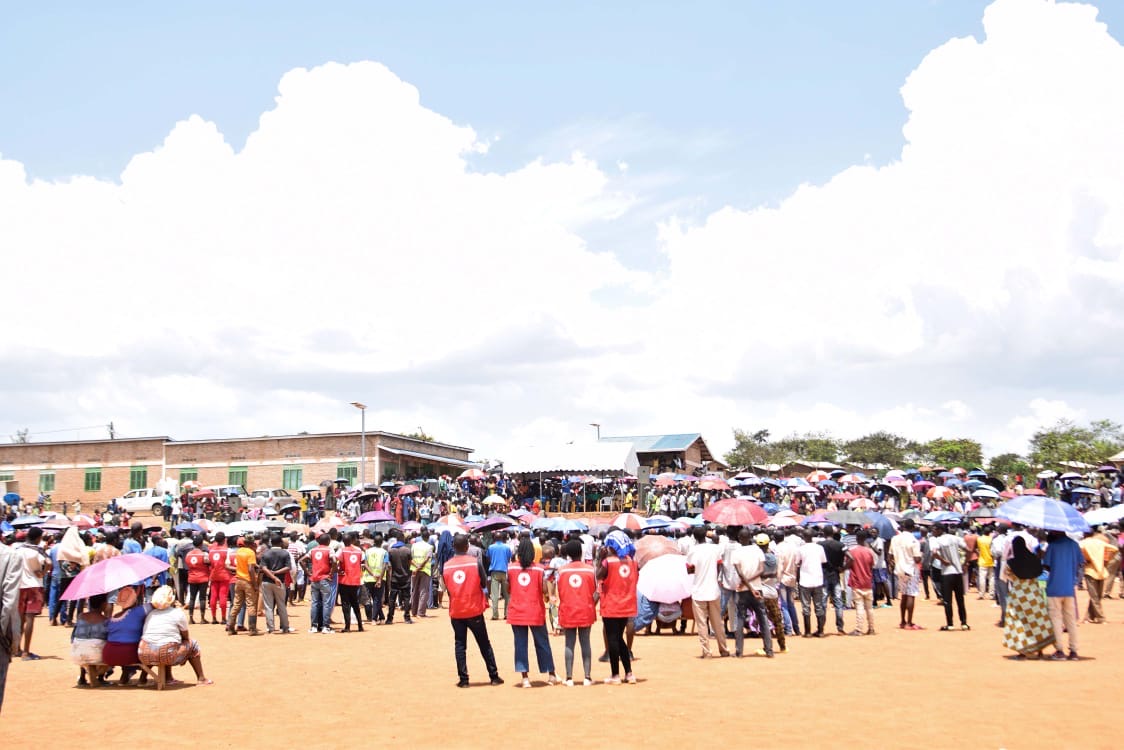
Our photo : a gathering of refugees in the Mahama camp for community work aimed at improving cleanliness and hygiene at the site. The UNHCR is also conducting a survey to assess living conditions and adjust its humanitarian assistance system
You might also like
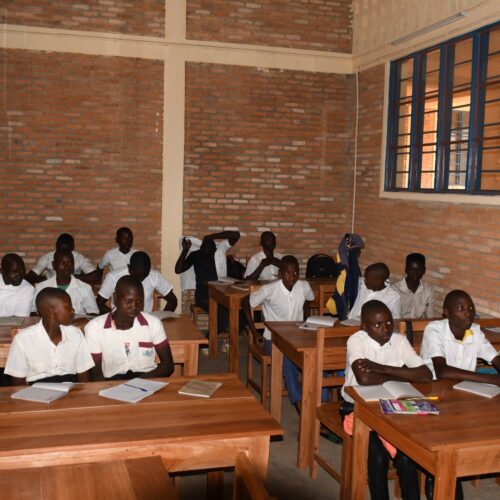
Photo of the week : children targeted by traffickers during summer holidays
While pupils are enjoying their summer holidays, the National Observatory for Combating Transnational Crime (ONLCT) is warning of a surge in child trafficking in Burundi. The organization is calling on
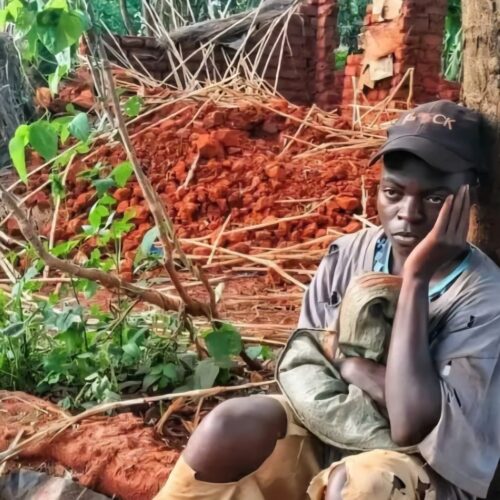
Photo of the week-Nduta : end of a camp, beginning of a human tragedy
Nearly 85% of the Nduta camp has been destroyed. Thousands of Burundian refugees now live in overcrowded centers, without shelter, without medical care, and awaiting forced repatriation. The Nduta camp,
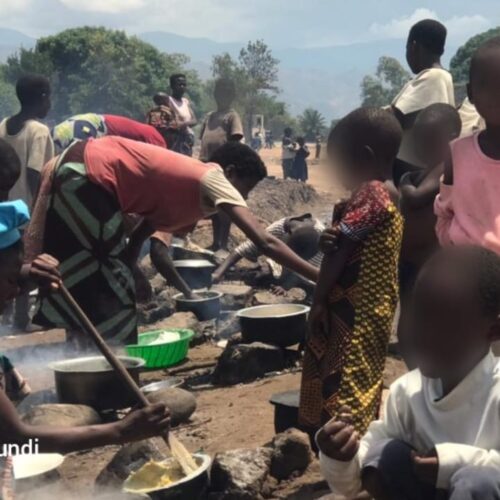

Photo of the week : glaring lack of fuel in Burundian refugee camps in Congo
Burundian refugees living in the Lusenda and Mulongwe camps in the Fizi territory in the South Kivu province in eastern DR Congo are facing a glaring lack of fuel. The