

Nduta emptyed : thousands of Burundian refugees “flood” towards Nakivale, Kakuma, and Mahama in a chaotic exodus
SOS Médias Burundi
Mahama / Nakivale / Kakuma, May 26, 2026 — The closure of the Nduta camp in Tanzania has triggered a massive influx of Burundian refugees to several countries in the sub-region. In Uganda, Kenya, and Rwanda, daily arrivals are being reported at the Nakivale, Kakuma, and Mahama camps. Refugees describe a perilous journey marked by hunger, arrests, and clandestine crossings, while humanitarian actors warn of an increasingly difficult situation.
At the Nakivale camp in Uganda, sources on the ground report the arrival of several hundred Burundians each week for about a month. They arrive either in small groups or individually, primarily women and children, while men are few in number.
“They arrive hungry and weak. They go from house to house looking for food,” a source on the ground confided.
A community leader in the camp described the movement as unusual and called on the authorities and the UNHCR to respond to this continuous influx of new arrivals, often without immediate assistance.
At the Kakuma camp in Kenya, new arrivals are reportedly being registered and receiving food aid, according to local sources. However, some refugees are still said to be stuck at the border with Tanzania.
At the Mahama camp in Rwanda, arrivals are reportedly less frequent due to strict border controls. One family interviewed stated that they obtained asylum and received swift assistance, despite a difficult journey from Nduta.
The testimonies gathered describe a journey described as a “path of suffering,” with clandestine crossings, repeated arrests, and forced returns to Burundi or Tanzania.
A refugee claims to have been arrested twice by Tanzanian police before finally reaching Uganda after several attempts, sometimes facilitated by corruption at the border.
“We left everything behind. But here too, we lack everything,” he says from Nakivale.
According to several accounts, thousands of refugees are still en route or stranded in Tanzania, while others have disappeared along the way.
Some refugees accuse the UNHCR and Tanzanian authorities of being responsible for their deteriorating situation, citing decisions made under the tripartite agreement between Tanzania, Burundi, and the United Nations High Commissioner for Refugees (UNHCR) on voluntary repatriation.
Since the closure of the Nduta camp on April 30, 2026, the infrastructure has been officially handed over to the Tanzanian authorities. Furthermore, the Nyarugusu camp, which still hosts Burundian refugees, is also expected to close by July 31, 2026, in accordance with the announced decisions.
According to data from the United Nations High Commissioner for Refugees (UNHCR), nearly 200,000 Burundian refugees are currently spread across several countries in the sub-region, including Uganda, Tanzania, Rwanda, the Democratic Republic of Congo, and Kenya, as well as countries of the Southern African Development Community (SADC), notably Zambia and Malawi.
You might also like
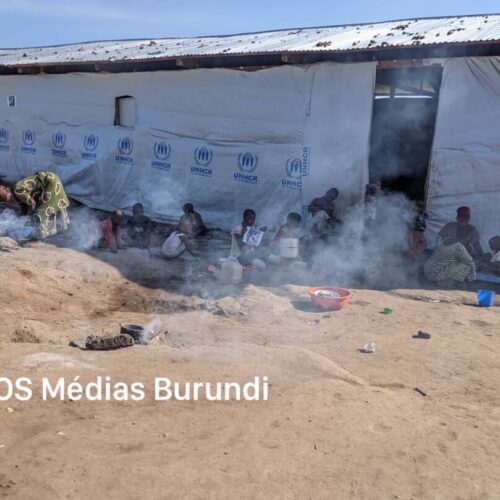
South Kivu : Burundian Tutsi refugees targeted by ethnic hatred and authorities’ inaction
SOS Médias Burundi In the Mulongwe and Lusenda camps in South Kivu, eastern Congo, thousands of Burundian Tutsi refugees live under constant threat. Discrimination, violence, and deprivation : they accuse
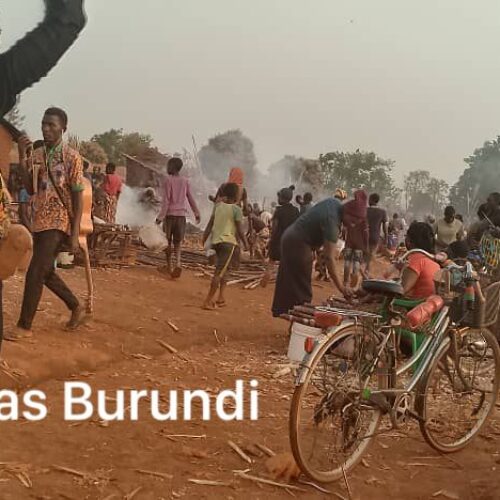
Nyarugusu (Tanzania) : armed robbery
A trader in zone 11 was attacked at his home by armed men who have not yet been identified. Two refugees, including a Burundian, were seriously injured. The incident took
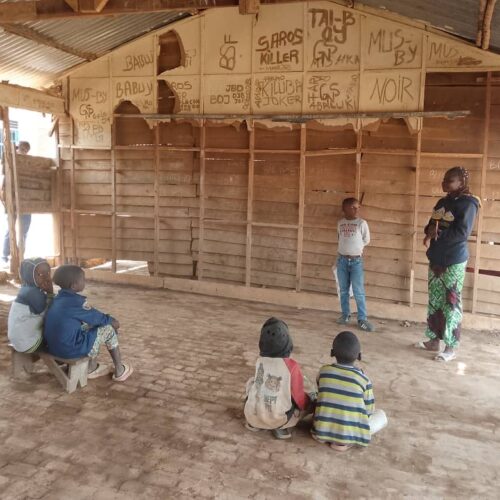

Refugee camps : when school becomes a daily challenge
SOS Médias Burundi Cankuzo, September 17, 2025 — On Monday, September 15, refugee pupils living in Burundi’s refugee camps began the 2025-2026 school year. The start of the school year